渋谷で遊んで早十数年経ちますが「渋谷は我が庭!」なんていまだに言えないくらいに変化が激しい街です。キャバクラ大好きな管理人ですが、日々これだけ街の景色が移り変わると、もはや飽きることはありません!渋谷に隣接している恵比寿エリアも含め、若者が集まるエリアでカジュアルなお店が多い印象ですが、夜遊びするなら渋谷・恵比寿の高級キャバクラも外せません!このサイトでは、常に刺激に溢れる渋谷の夜を美しく彩ってくれる、管理人イチオシのキャバクラ嬢たちをご紹介!高級店・大衆店問わず、美しいルックス、素晴らしい接客に筆者が魅了されたとびっきりの美女たちのみを厳選しております。「ハメは外したいけどアテは外したくない!」そんな方はぜひともこのページを参考にしてみてください!また、ここでは紹介しきれなかった渋谷のキャバクラ嬢や店舗情報については【夜遊びショコラ】に詳しく載っていますよ!また、渋谷のキャバクラに体入してみたい女の子には【体入ショコラ】がオススメです◎
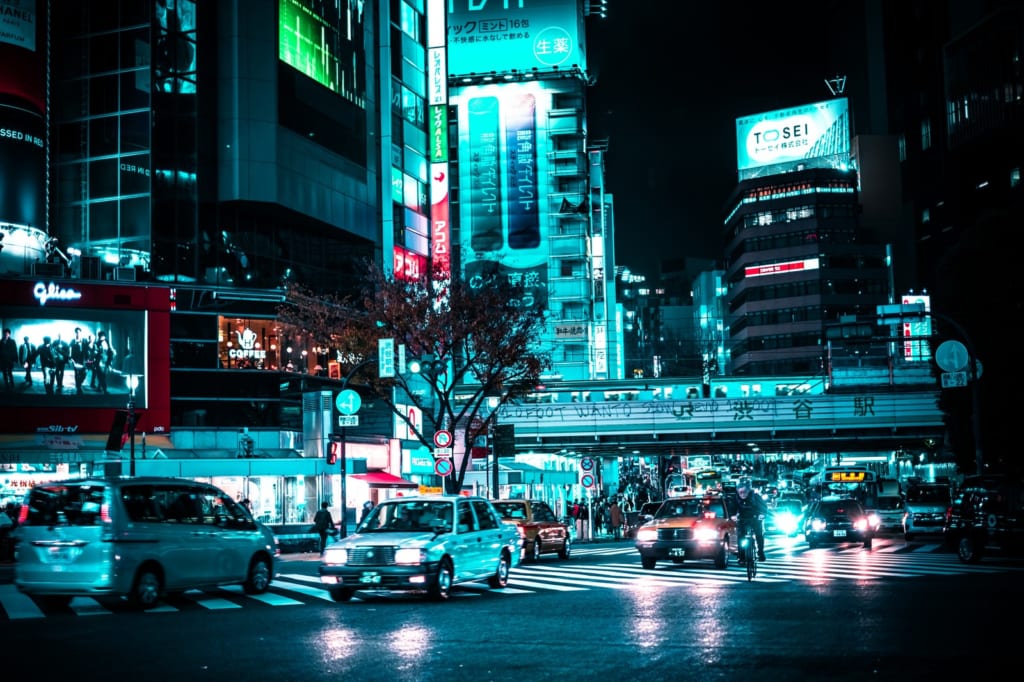
渋谷のおすすめキャバクラマップ
- 渋谷のオススメキャバクラ嬢1. 月姫はづき【CLUB The Celebrity(セレブリティ)】
- 渋谷のオススメキャバクラ嬢2. あいり【渋谷SEASIDE(シーサイド)】
- 渋谷のオススメキャバクラ嬢3. 黒咲寧々【BARNEYS TOKYO (バーニーズトーキョー)】
- 渋谷のオススメキャバクラ嬢4. 一ノ瀬ひな【渋谷小町】
- 渋谷のオススメキャバクラ嬢5. 朝比奈えりか【XENON(ゼノン)】
- 渋谷のオススメキャバクラ嬢6. 果銃ぐみ【CLUB The Celebrity(セレブリティ)】
- 渋谷のオススメキャバクラ嬢7. あいみ【渋谷SEASIDE(シーサイド)】
- 渋谷のオススメキャバクラ嬢8. まい【e-style(イースタイル)】
- 渋谷のオススメキャバクラ嬢9. 蒼月 みく【BARNEYS(バーニーズトーキョー)】
- 渋谷のオススメキャバクラ嬢10. ひかる【Club Belle Rays(ベルレイズ)】
- 渋谷のオススメキャバクラ嬢11. みさ【渋谷SEASIDE(シーサイド)】
- 渋谷のオススメキャバクラ嬢12. 亜美【渋谷小町】
- 渋谷のオススメキャバクラ嬢13. めぐ【CLUB REEL (リール)】
- 渋谷のオススメキャバクラ嬢14. あん【e-style(イースタイル)】
- 渋谷のオススメキャバクラ嬢15. 酒 クレア【渋谷SEASIDE(シーサイド)】
- 渋谷のオススメキャバクラ嬢16. はるな【渋谷SEASIDE(シーサイド)】
- 渋谷のオススメキャバクラ嬢17. リオン【渋谷SEASIDE(シーサイド)】
- 渋谷のオススメキャバクラ嬢18. さや【e-style(イースタイル)】
- 渋谷のオススメキャバクラ嬢19. みつき【e-style(イースタイル)】
- 渋谷のオススメキャバクラ嬢20. えみり【CLUB REEL(リール)】
- 渋谷のオススメキャバクラ嬢21. 櫻葉美萌【CLUB RAFTEL(ラフテル)】
- 渋谷のオススメキャバクラ嬢22. 橘 珠南【Barneys(バーニーズ)】
- 渋谷のオススメキャバクラ嬢23. かんな【渋谷SEASIDE(シーサイド)】
- 渋谷のオススメキャバクラ嬢24. 北斗 ゆりあ【CLUB The Celebrity(セレブリティ)】
- 渋谷のオススメキャバクラ嬢25. 鮎川 まりえ【BARNEYS(バーニーズ)】
- 渋谷のオススメキャバクラ嬢26. 相澤 望【渋谷小町】
- 渋谷のオススメキャバクラ嬢27. えま【渋谷SEASIDE(シーサイド)】
- 渋谷のオススメキャバクラ嬢28. 藤咲 ひなみ【BARNEYS(バーニーズ)】
- 渋谷のオススメキャバクラ嬢29.ひなた【BARNEYS(バーニーズ)】
- 渋谷のオススメキャバクラ嬢30.愛沢 風花 【BARNEYS(バーニーズ)】
- 渋谷のオススメキャバクラ嬢31.ゆり【CLUB RAFTEL(ラフテル)】
- 渋谷のオススメキャバクラ嬢32.あお【渋谷SEASIDE(シーサイド)】
- 渋谷のオススメキャバクラ嬢33.きら【渋谷SEASIDE(シーサイド)】
- 渋谷のオススメキャバクラ嬢34.まゆ【渋谷小町】
- 渋谷のオススメキャバクラ嬢35.吉澤 ミラン【CLUB The Celebrity(セレブリティ)】
- 渋谷のオススメキャバクラ嬢35.小嶋 ありか【渋谷SEASIDE(シーサイド)】
渋谷のオススメキャバクラ嬢1. 月姫はづき【CLUB The Celebrity(セレブリティ)】
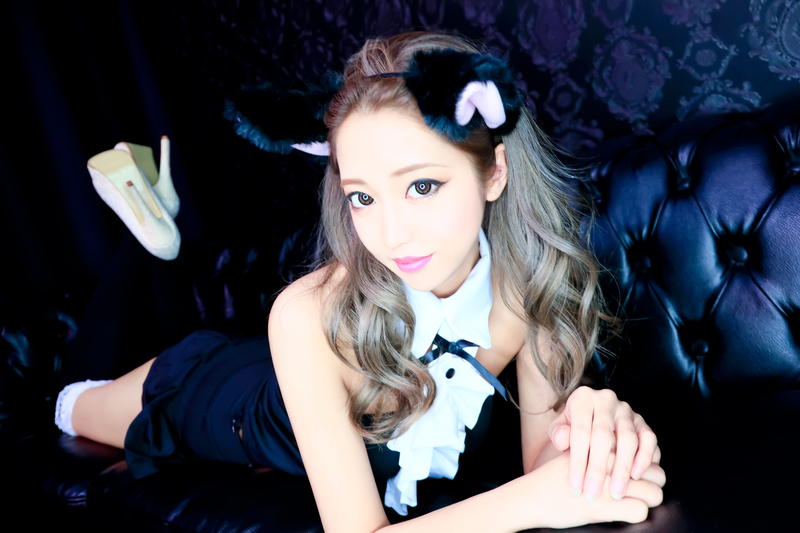
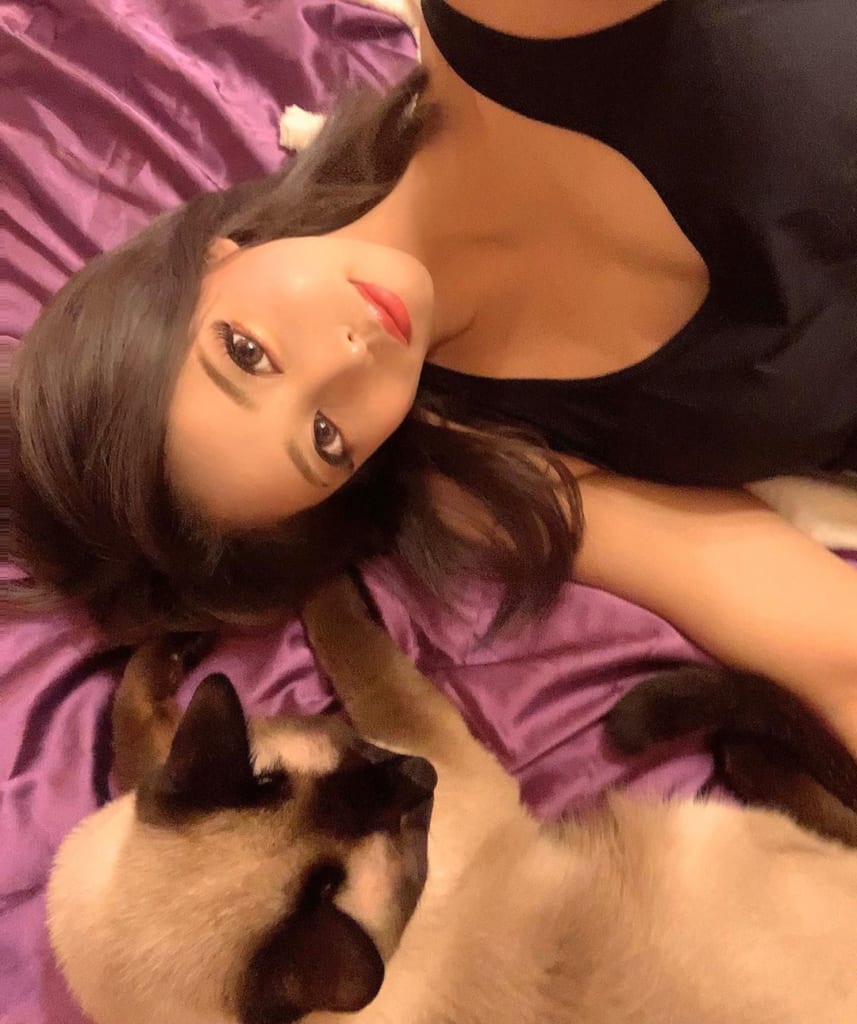
渋谷の美しきのんだくれ
渋谷でキャバクラといえば、【CLUB The Celebrity(セレブリティ)】はマストで抑えておきたいお店!「よくもまぁこんなに可愛い子が集まったもんだ…」と思わず感嘆の声が漏れてしまうほど、ハイレベルな女の子が多いお店です。そんな中でひと際筆者の目を引いたのが《月姫はづき》ちゃん。見るからに抜群のルックス・プロポーションを持つ彼女。男として、興味を引かれるのも無理はありません(笑)しかし、理由はそれだけではないんです。
出典:インスタ
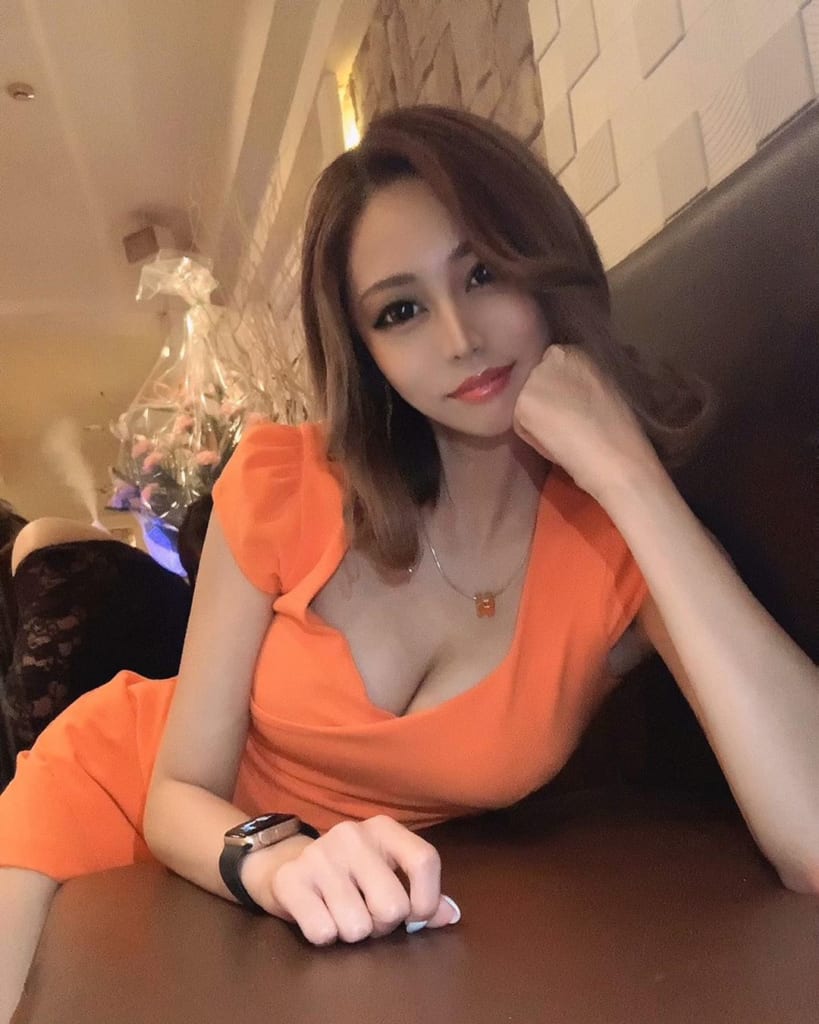
筆者が注目したのは、男顔負けの飲みっぷり!可愛らしいお顔で、なんでもない表情をしながらもハイペースでお酒を飲み続ける彼女に、恐怖すら抱いたのを覚えています…(笑)後日さっそく彼女を指名!筆者も人並み以上にお酒を飲む方なので、同じくらいのペースで飲めたのがとても新鮮でした!いやぁ、意外なところに強者は潜んでいるものなんですね(笑)「今日はガッツリ飲みたい」なんて日は、筆者ははづきちゃんに会いに行くことにしています。楽しくハメを外したいのであればオススメです!
出典:インスタ
口コミ
接待で使わせてもらいました。おかげさまで商談がうまくいきました。渋谷のキャバクラはうるさいイメージでしたが、ここはゆったり飲めて良かったです。 (男性・30歳)
渋谷キャバクラの口コミ【夜遊びショコラ】
月姫はづき【CLUB The Celebrity(セレブリティ)】のインスタグラム
CLUB The Celebrity(セレブリティ)の詳細情報
| 店名 | CLUB The Celebrity(セレブリティ) |
| 電話番号 | 03-5456-3900 |
| 営業時間 | 19:30~翌1:00 |
| 定休日 | 年中無休 |
| 住所 | 東京都渋谷区宇田川町28-2 ニュー渋谷ビル5F |
| インスタグラム | 月姫はづきをフォローする |
CLUB The Celebrity(セレブリティ)へのアクセス
各線「渋谷駅」より徒歩2分
渋谷のオススメキャバクラ嬢2. あいり【渋谷SEASIDE(シーサイド)】
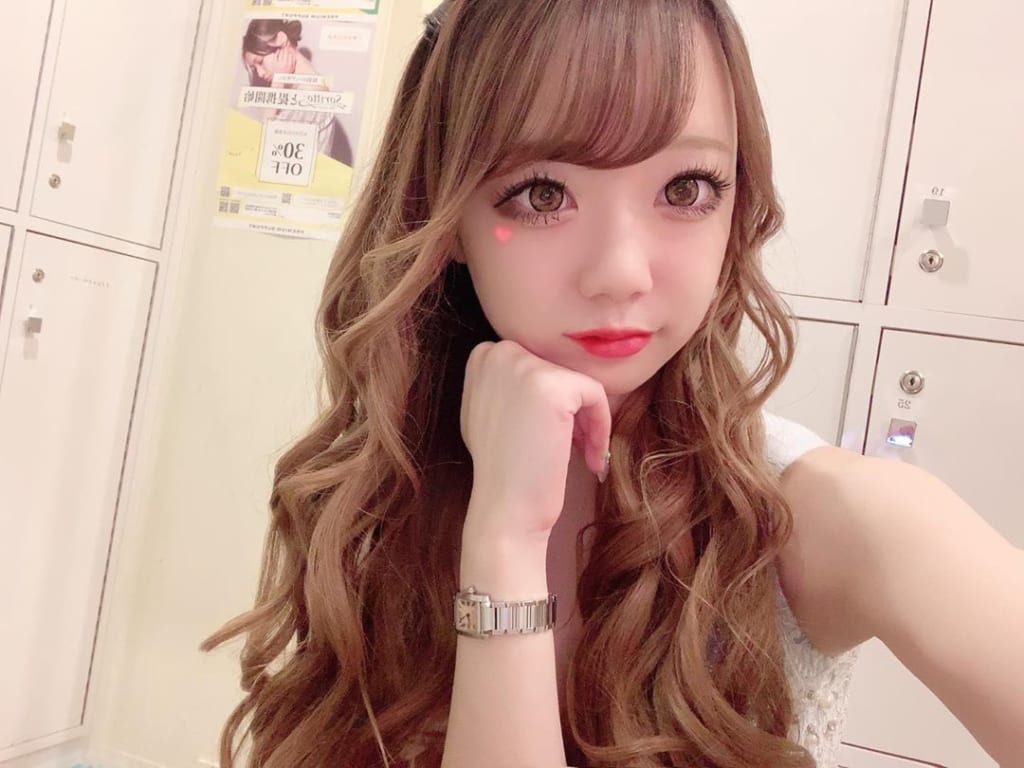
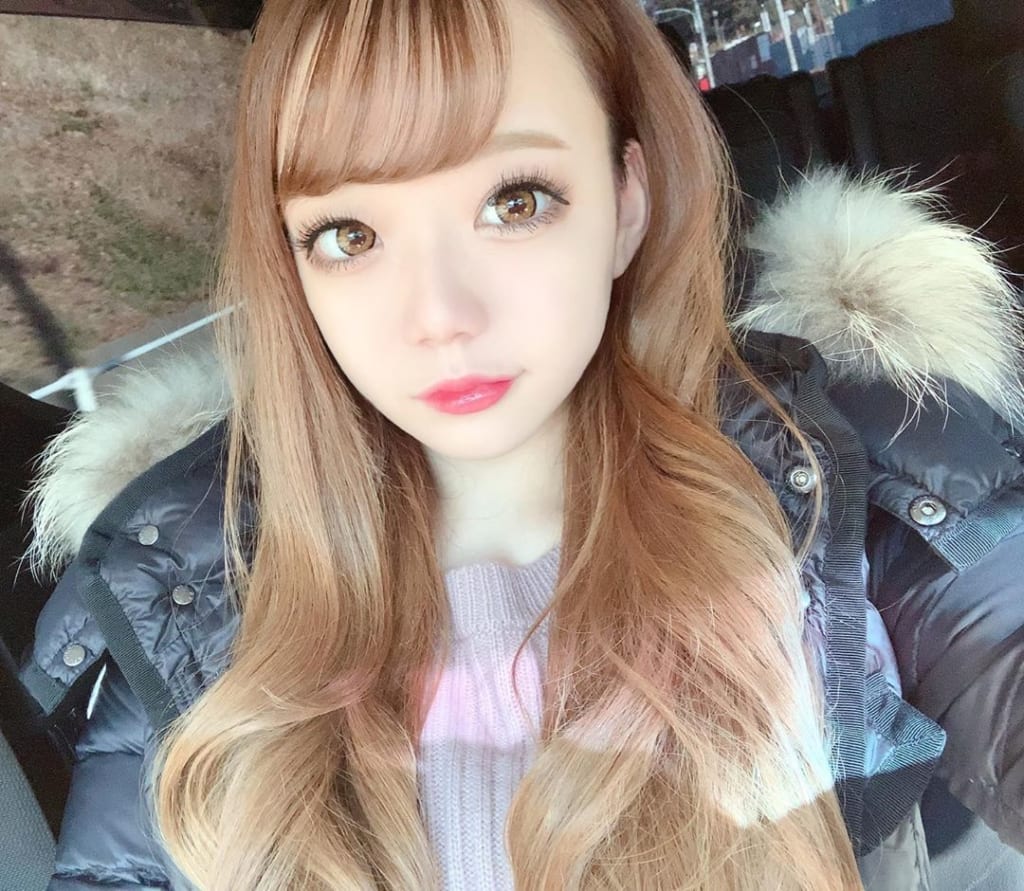
マイペースなゆるふわガール
【渋谷SEASIDE(シーサイド)】といえば、大手プリンスグループが運営する優良店です。「渋谷のキャバクラ、いろいろありすぎてどこに行けばいいかわからない!」そんなキャバクラ初心者さんであれば、とりあえずシーサイドに行っておけば間違いないかと思います。そんな安定感のあるお店で、ゆるゆるふわふわな接客で癒してくれるのが《あいり》ちゃん!会って最初の時は、内心「あいりちゃん、大丈夫かな?まだ慣れてないのかな?」なんて失礼ながらに思っていたのを覚えています。
出典:インスタ
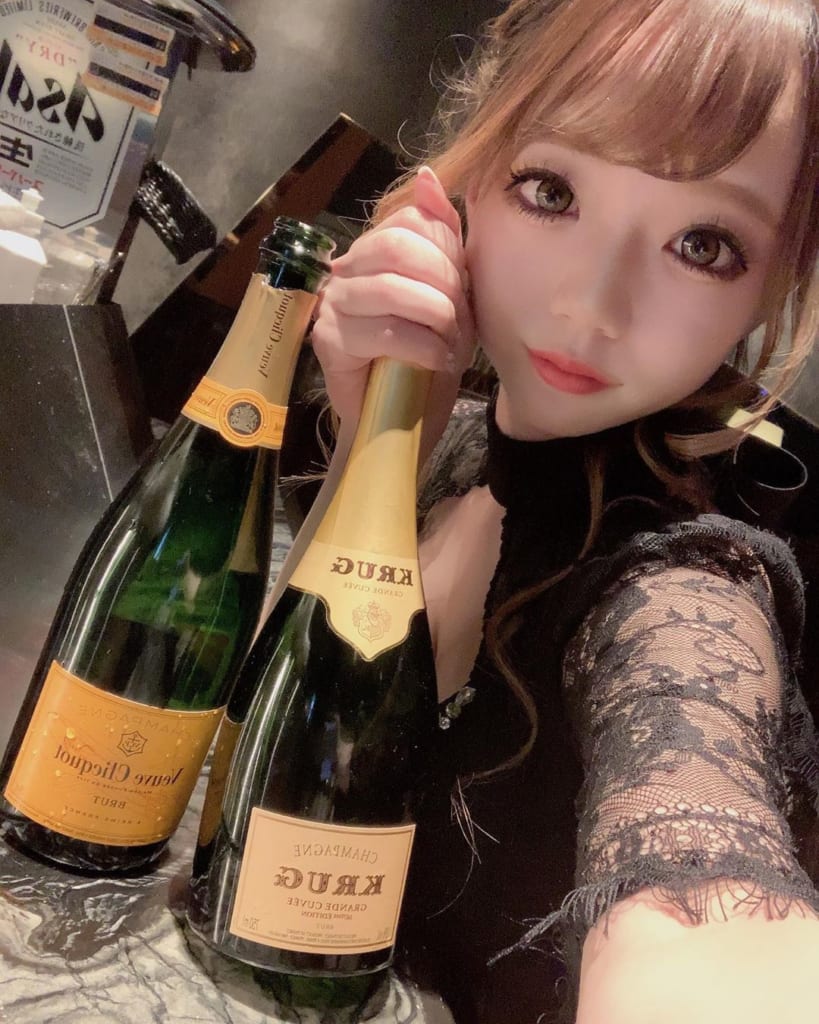
しかし、一度お喋りするとわかるかと思いますが、このゆるふわな接客こそがあいりちゃんの真骨頂!もはやこれがクセになるんです!筆者はもう、あいりちゃんのマイペースに巻き込まれないと満足できない体になってしまいました…(笑)気が付いたらボトルが数本開いている…なんてこともザラにあります(笑)でもこれでいいんです!たとえあいりちゃんの手のひらで転がされてようが、それこそが本望なのですから。今後ともぜひとも、気持ちよく手のひらで転がしていただきたいものです。中年諸君はハマり過ぎにご注意ください(笑)
出典:インスタ
口コミ
プリンスのシーサイドといえば有名店ですね。さすがにブランドなだけあってしっかりとした接客、可愛い女の子、揃ってます(^-^)b プリンスは神奈川とかが有名ですが渋谷にもあるのが嬉しいです。神奈川までいかなくて済む(笑)
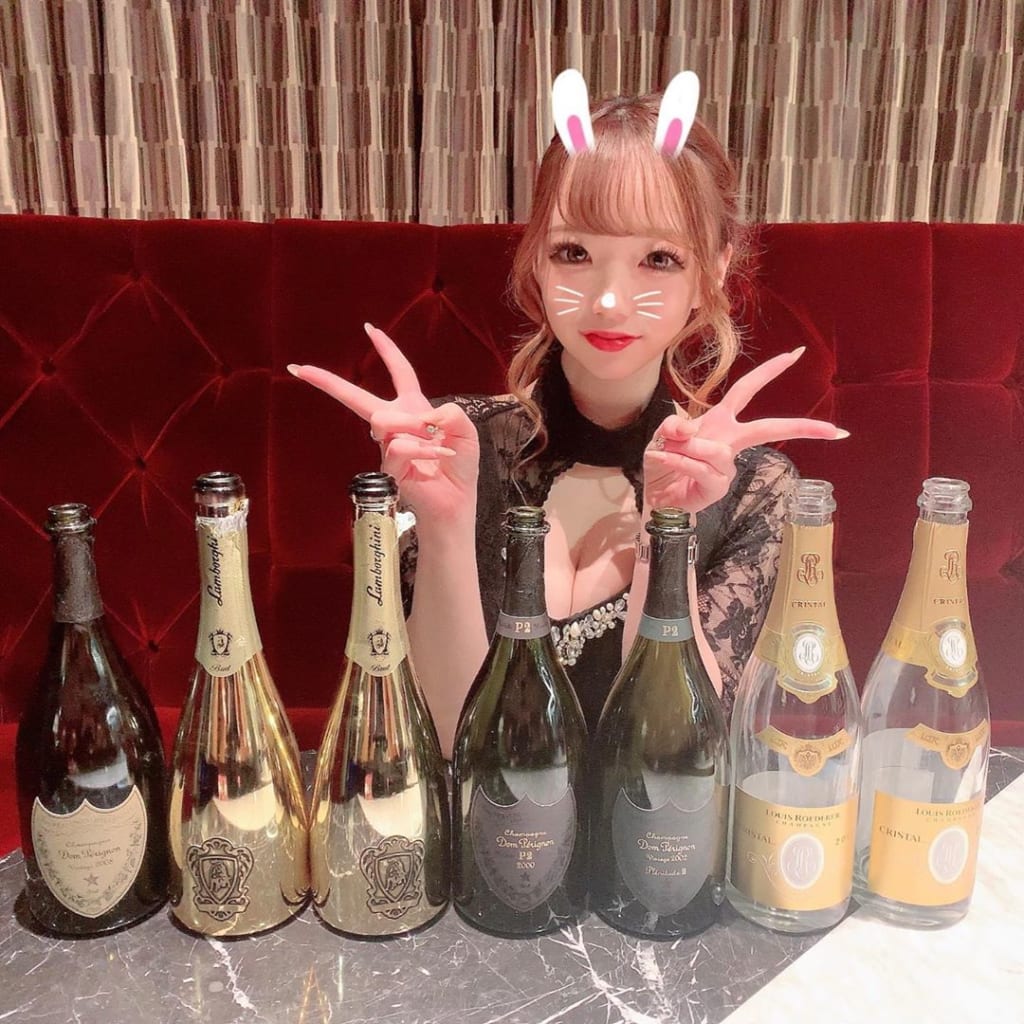
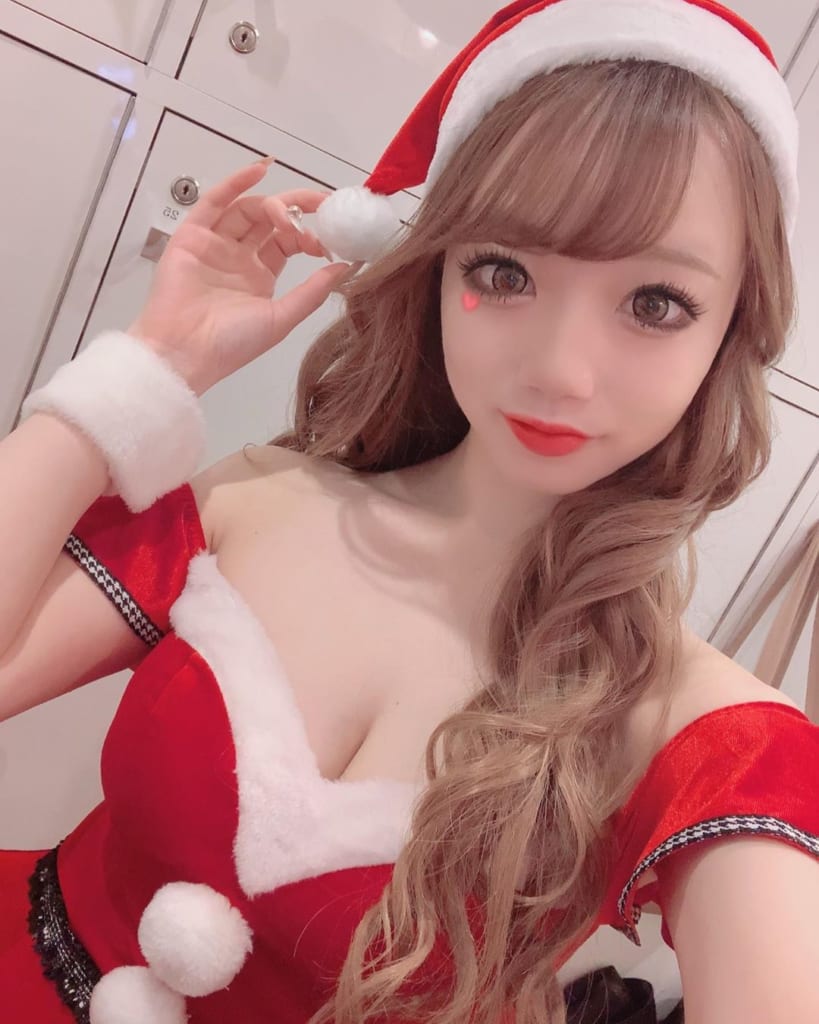
あいり【渋谷SEASIDE(シーサイド)】のインスタグラム
渋谷SEASIDE(シーサイド)の詳細情報
| 店名 | 渋谷SEASIDE(シーサイド) |
| 電話番号 | 03-3476-8755 |
| 営業時間 | 19:00~翌1:00 |
| 定休日 | 日曜 |
| 住所 | 東京都渋谷区宇田川町33-8 塚田ビル 8F |
| インスタグラム | あいりをフォローする |
渋谷SEASIDE(シーサイド)へのアクセス
各線「渋谷駅」より徒歩4分
渋谷のオススメキャバクラ嬢3. 黒咲寧々【BARNEYS TOKYO (バーニーズトーキョー)】
サブカル大好きゲーマー美女
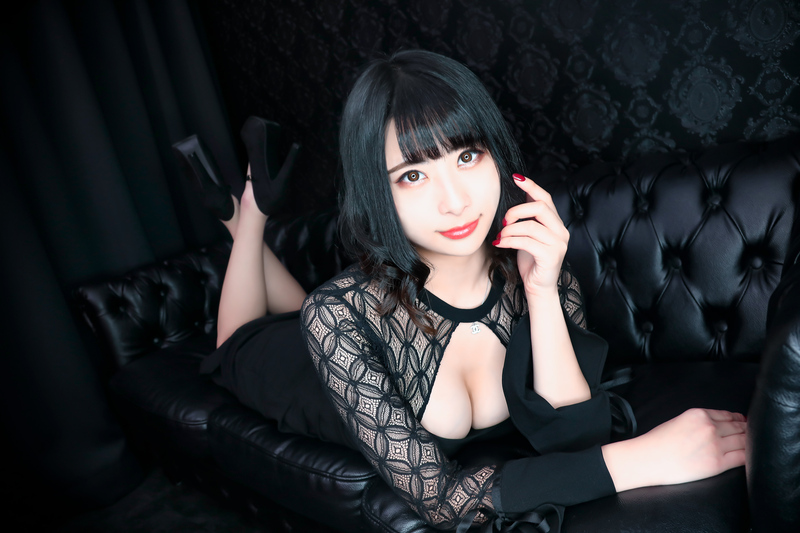
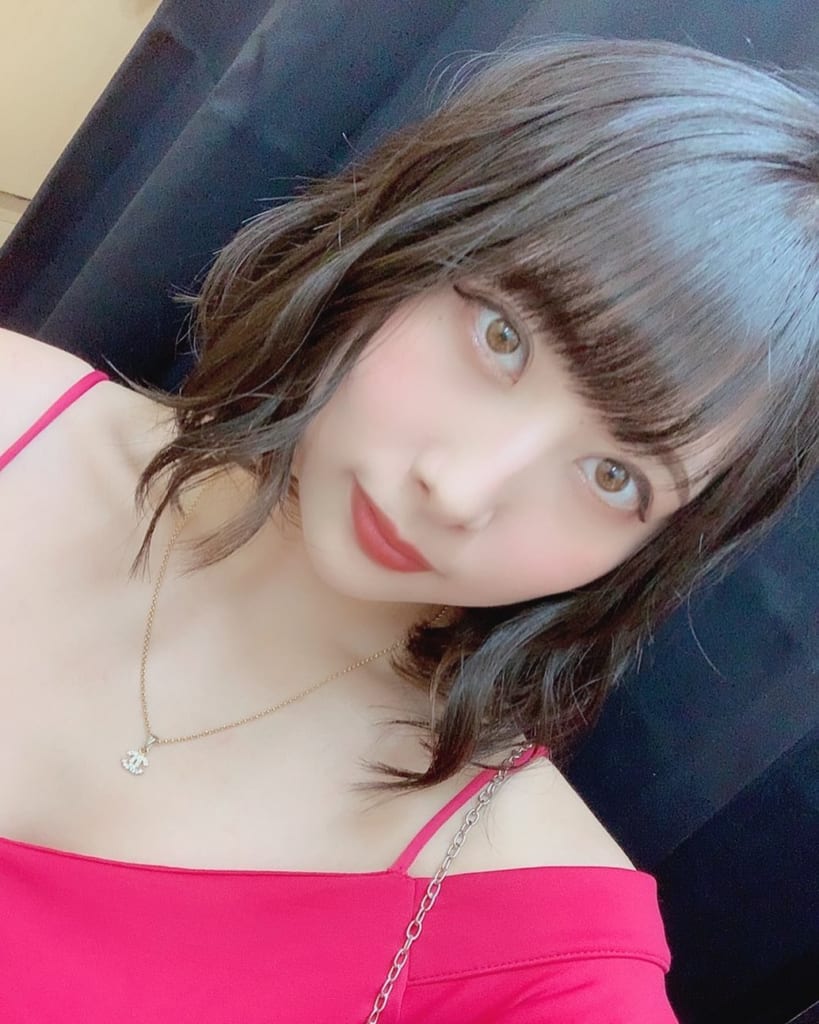
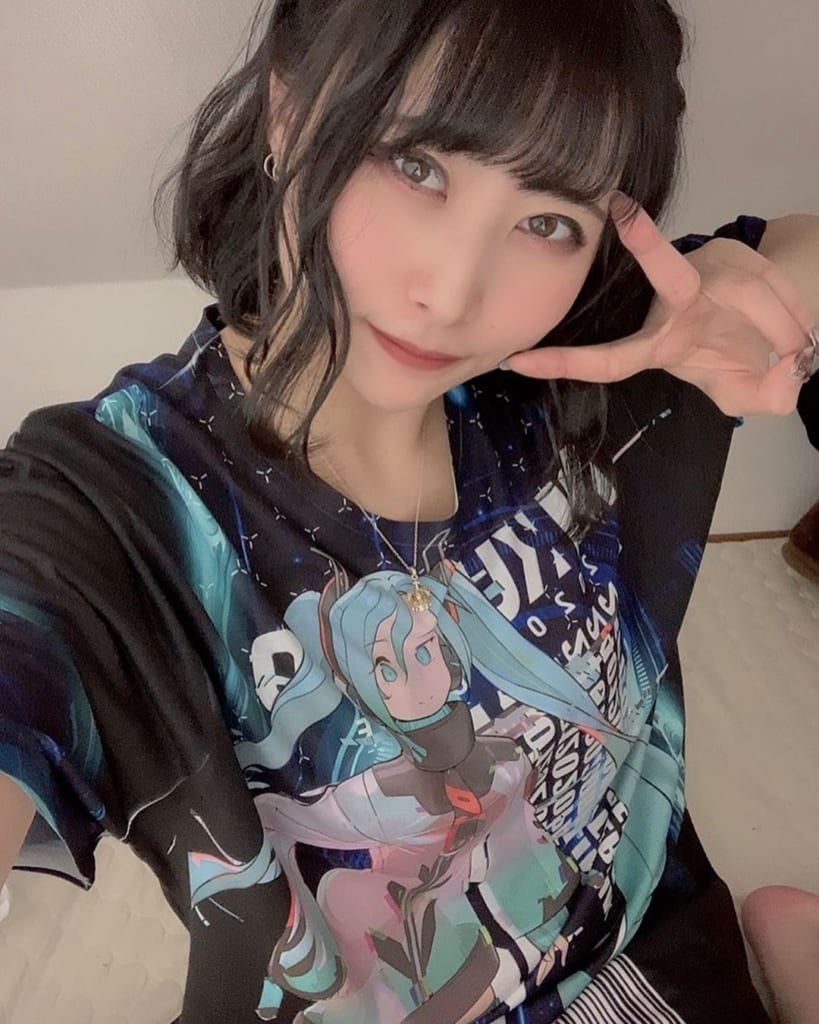
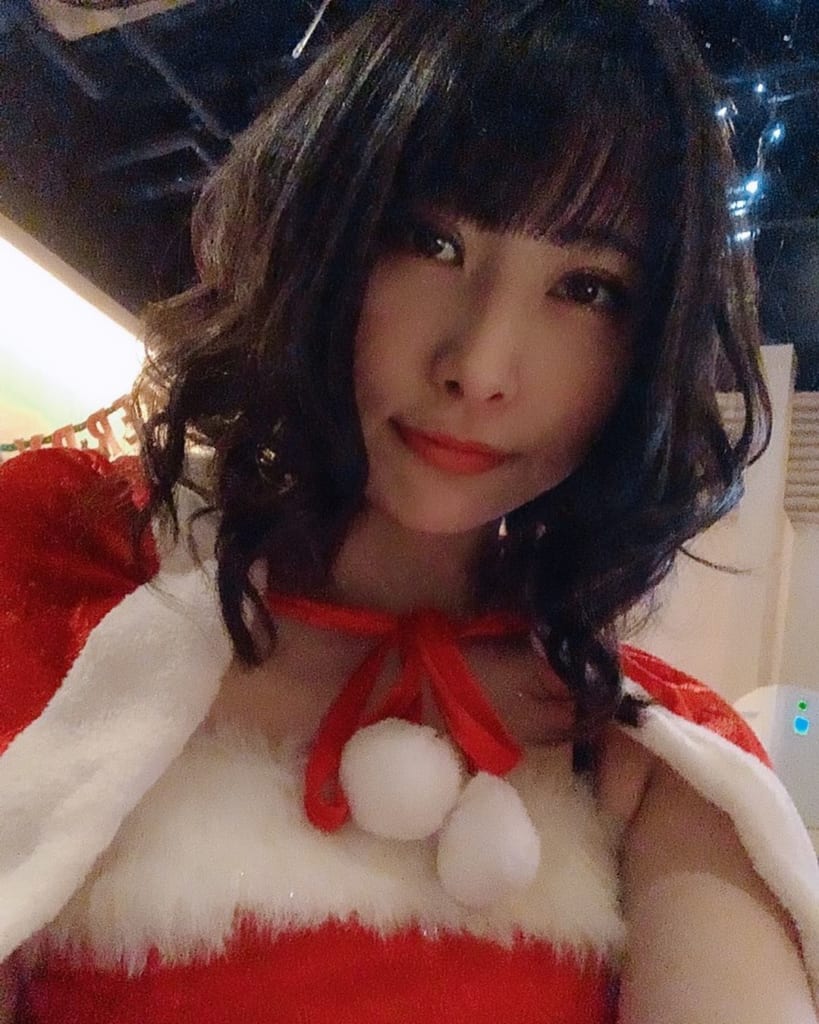
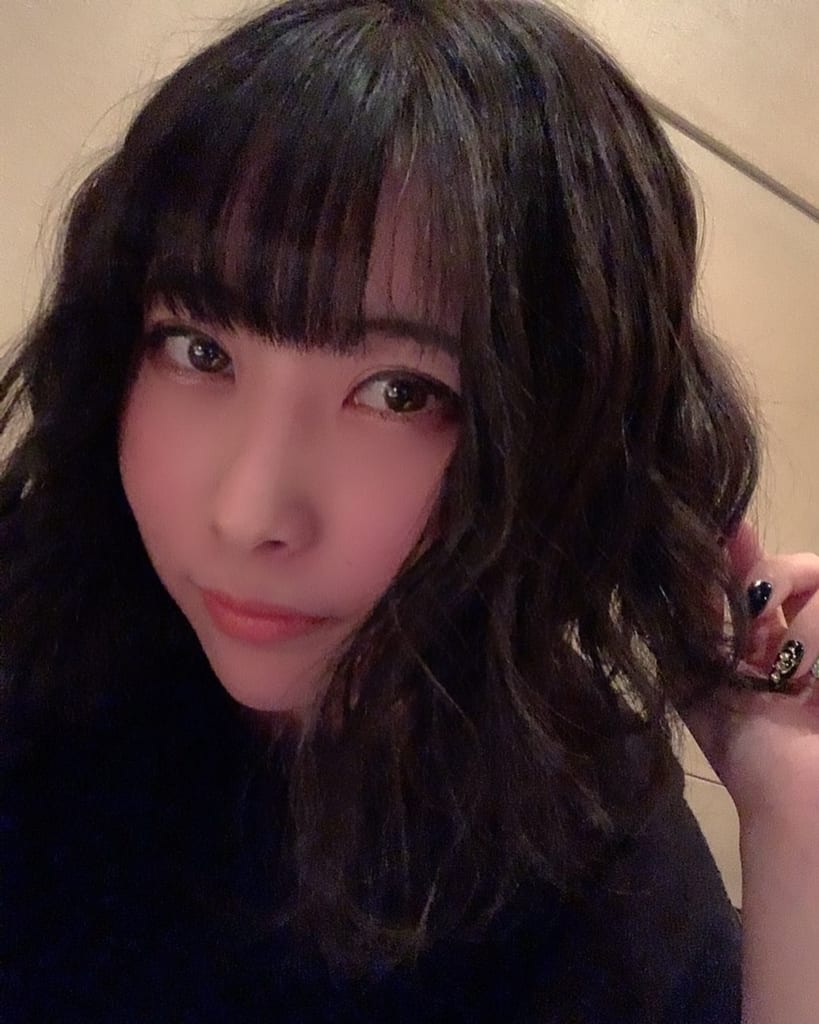
【BARNEYS TOKYO (バーニーズトーキョー)】は、渋谷の激しい喧騒の最中にあるとは思えないほど落ち着いたキャバクラです。筆者は、一息つきたい時によくここを利用します。お気に入りのお店なので、浮気性の筆者は推しが何人かいるんですが(笑)そのなかでも特にイチオシは《黒咲寧々》ちゃん!良い意味でキャバ嬢っぽくない雰囲気なので、いつも新鮮な気分で楽しませてくれます。黒髪が似合うナチュラルな美人さんですね。
出典:インスタ
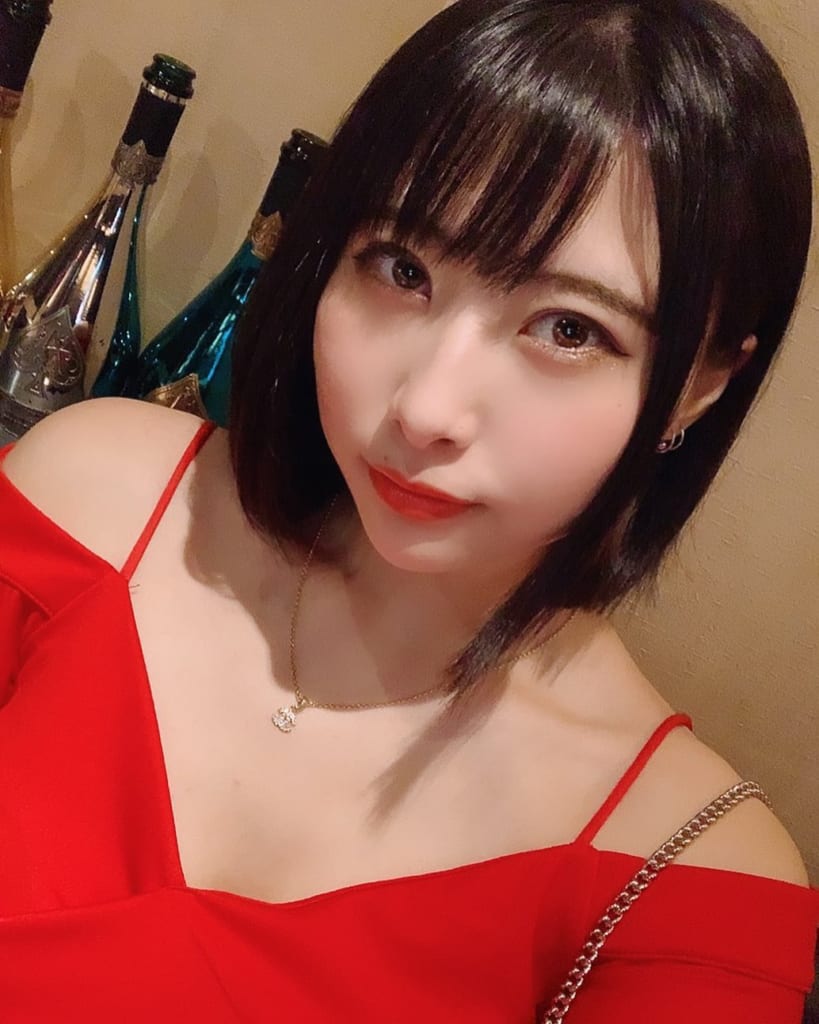
そんな寧々ちゃん、筆者のお気に入りポイントはもう一つありまして、それはゲーマー気質なところ!筆者もゲーム好きなんですが、お互い好きなゲームが同じという事で、実はそこで話が合ってから仲良くなったんですよね。ゲーム以外にもアニメも良く見るということで、筆者以外にも、ゲーム・アニメ好きな寧々ちゃんのファンは結構いるそうです!インドアな趣味をお持ちの方なんかは、きっと話が合うかと思いますよ!渋谷近辺である自由が丘のキャバクラで体入してみたい方は、ぜひ【体入ショコラ】を使ってみてください♪
出典:インスタ
BARNEYS(バーニーズトーキョー)の口コミ
内装はまぁ普通、店内は広くなく、むしろこじんまりとしている。だが女の子との距離感が近いのでアリですねwww
BARNEYS(バーニーズトーキョー)の詳細情報
| 店名 | BARNEYS TOKYO (バーニーズトーキョー) |
| 電話番号 | 03-3462-9955 |
| 営業時間 | 20:00~翌1:00 |
| 定休日 | 日曜 |
| 住所 | 東京都渋谷区道玄坂2丁目10−10 世界堂ビル 2FC |
| インスタグラム | 黒咲寧々をフォローする |
BARNEYS(バーニーズトーキョー)へのアクセス
渋谷駅より徒歩3分
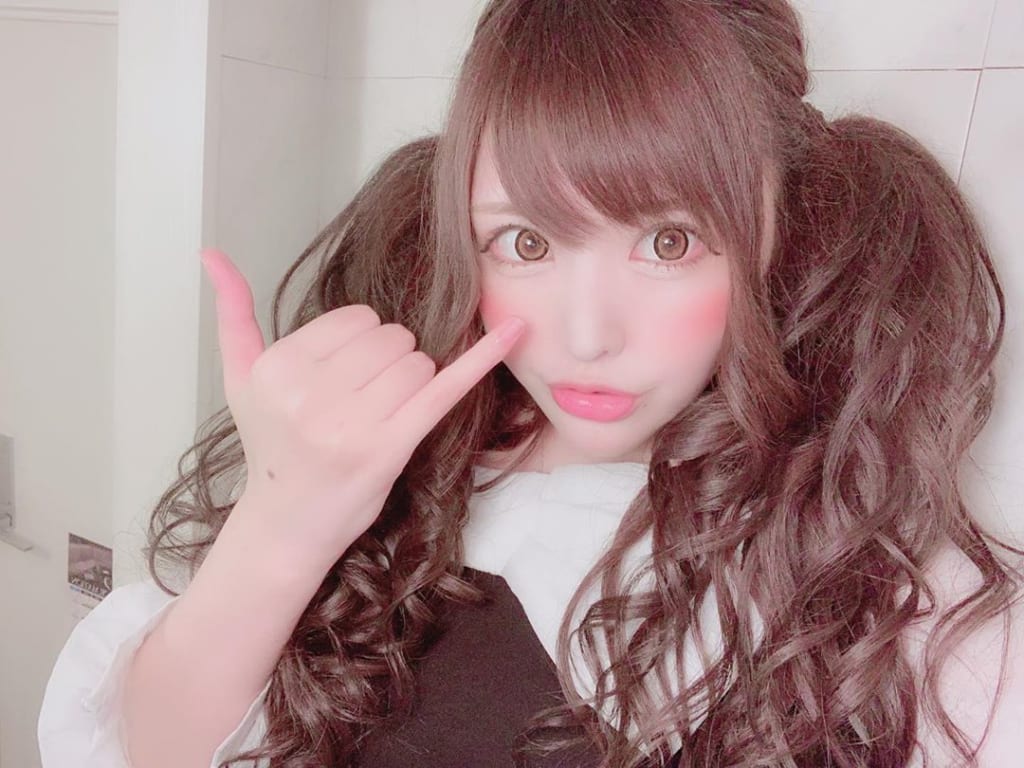
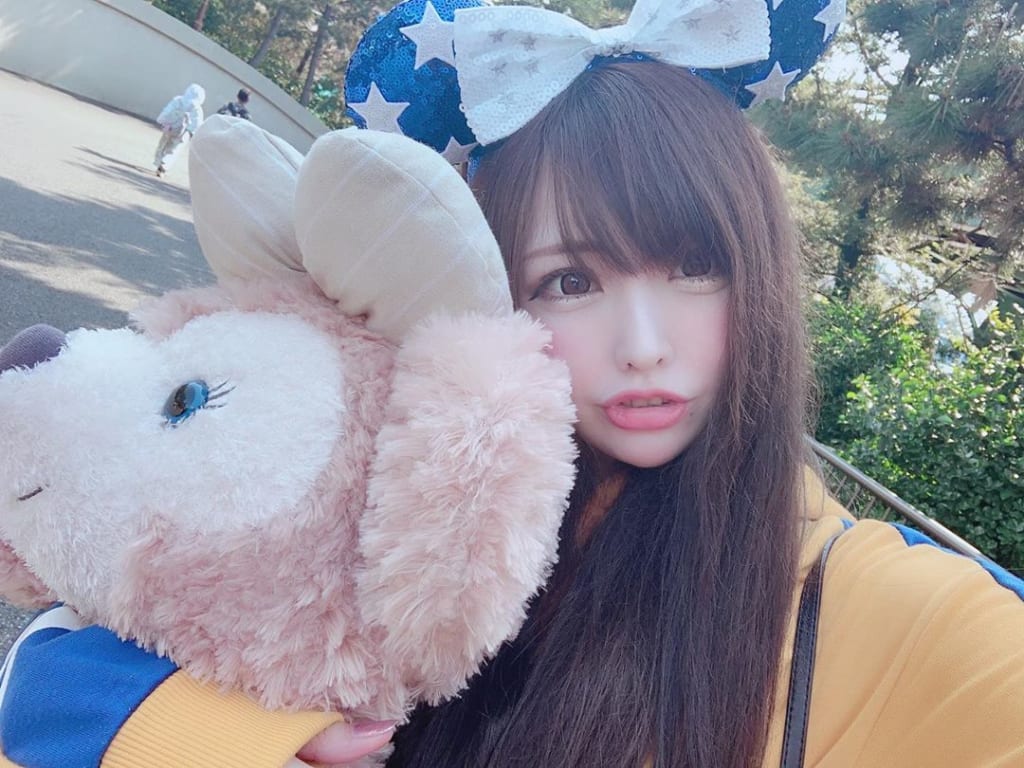
渋谷のオススメキャバクラ嬢4. 一ノ瀬ひな【渋谷小町】
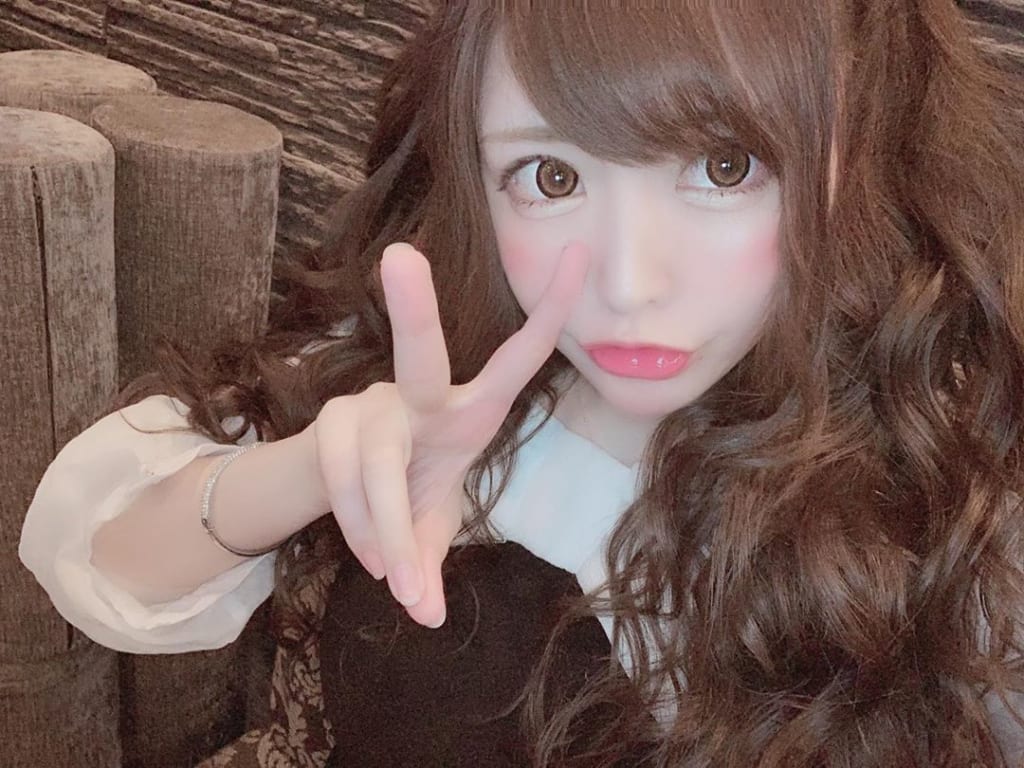
明るく元気な渋谷小町の太陽
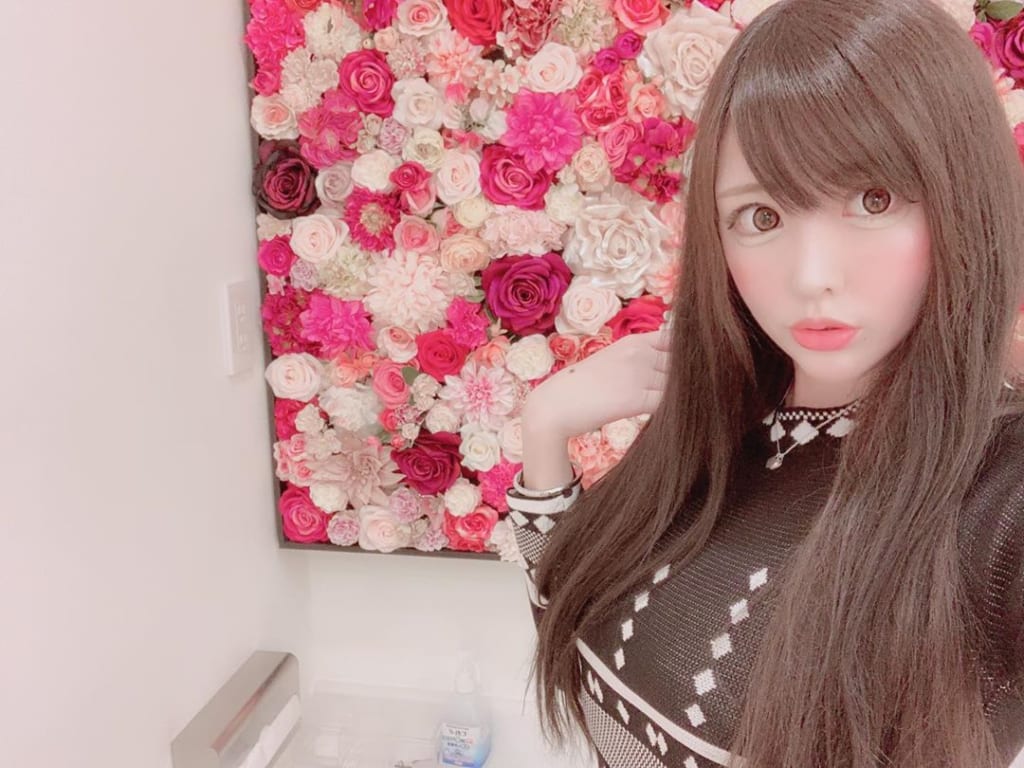
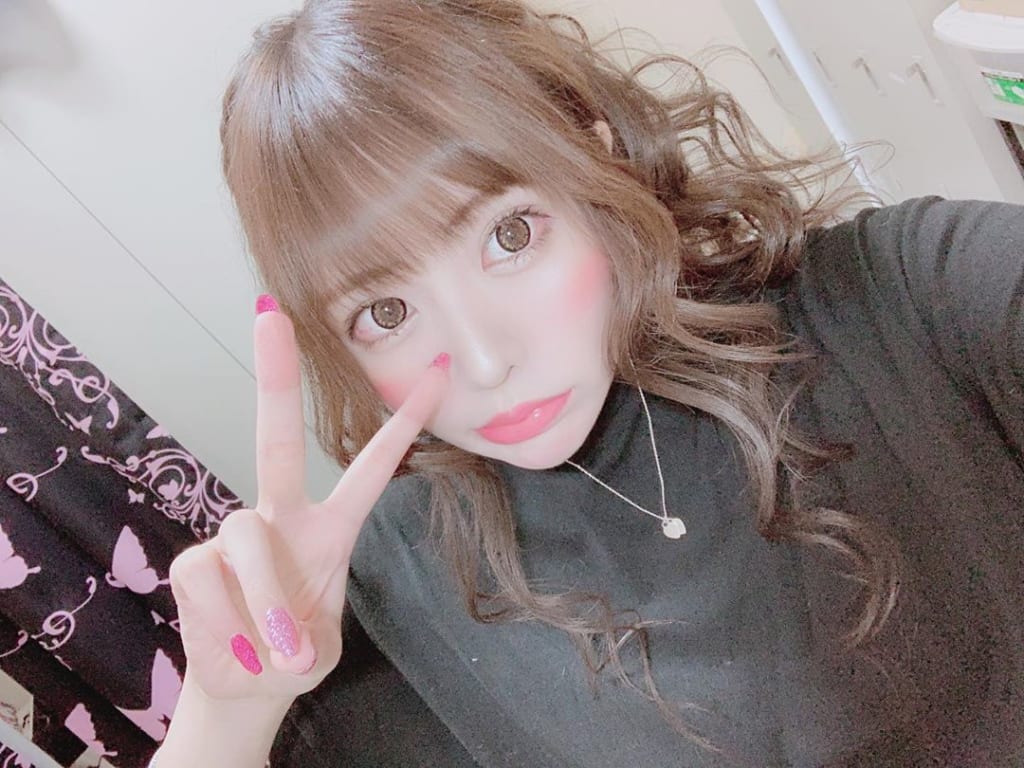
渋谷は道玄坂にある、隠れ家なキャバクラ【渋谷小町】。店内の雰囲気は落ち着いており、キャバクラ特有のギラギラ感がないので、仕事で疲れた時は、筆者はよくここに癒されに行きます。お気に入りのポイントはお店の雰囲気だけではなく、いつも元気に出迎えてくれる《一ノ瀬ひな》ちゃんがいるところ!いつも明るくキラキラした接客は、都会に疲れた中年男を芯から癒してくれます(笑)
出典:インスタ
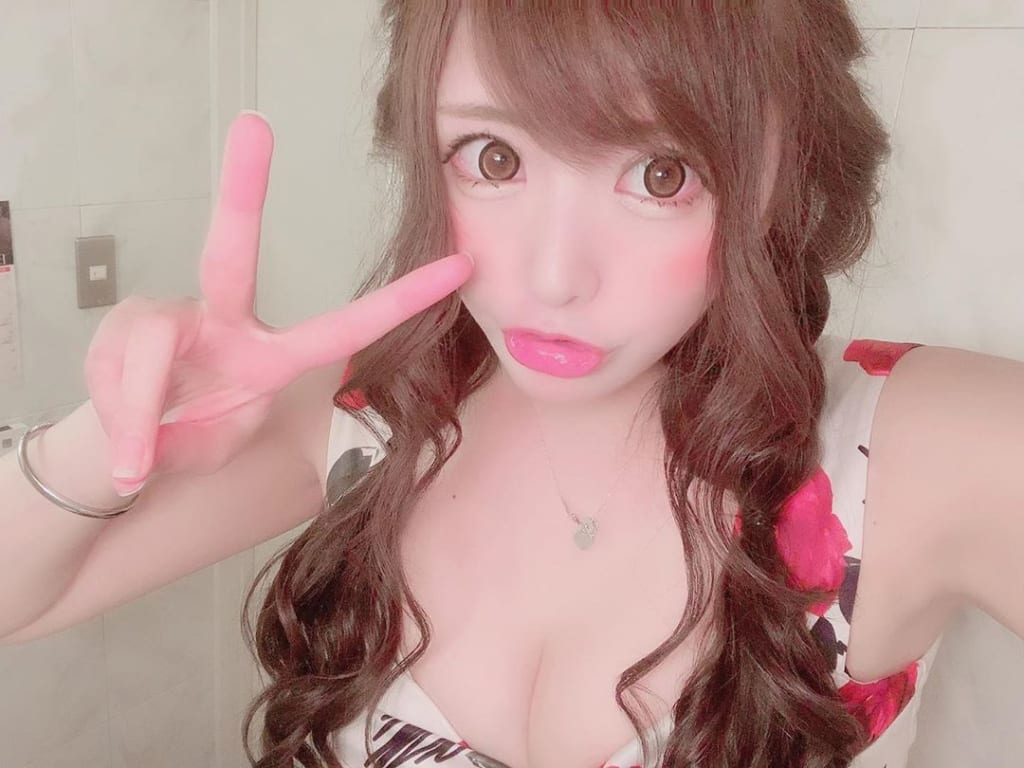
まるでよくできた妹のような、はたまた無邪気に癒してくれる娘のような…なんにせよ独身中年な筆者にはまぶしい存在です(笑)心が疲れていたらつい愚痴が口をついてしまいそうなものですが、ひなちゃんの持ち前の明るさの前では、さっきまで悩んでたことがどうでもよく感じてしまいます。おかげさまで結構助かってます。長い人生、常に何かしらの悩みは付いて回るものですが、たまには現実逃避も悪くないですよ(笑)疲れたらパァーっと飲んで、美女とお喋りして、悩みなんか吹き飛ばしてしまいましょう!
出典:インスタ
渋谷小町の口コミ
たまに通う隠れ家として利用してます。女の子が結構可愛い子揃ってるんで、なかなか満足度高いです。高級感のある店内も必見!
渋谷小町の詳細情報
| 店名 | 渋谷小町 |
| 電話番号 | 03-6455-3507 |
| 営業時間 | 20:30~翌1:00 |
| 定休日 | 年中無休 |
| 住所 | 東京都渋谷区道玄坂2丁目26-12 |
渋谷小町へのアクセス
各線「渋谷駅」より徒歩5分
渋谷のオススメキャバクラ嬢5. 朝比奈えりか【XENON(ゼノン)】
ナチュラル美人に癒される贅沢な朝
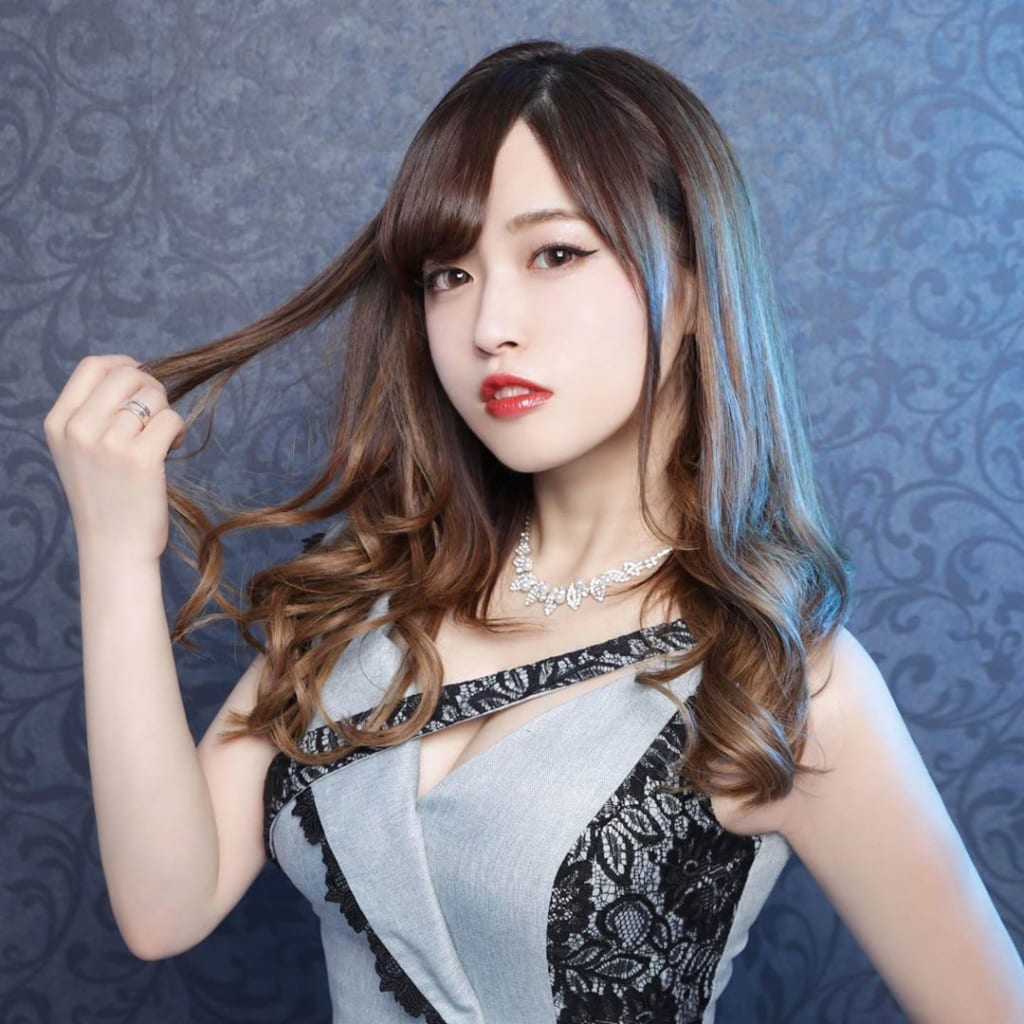
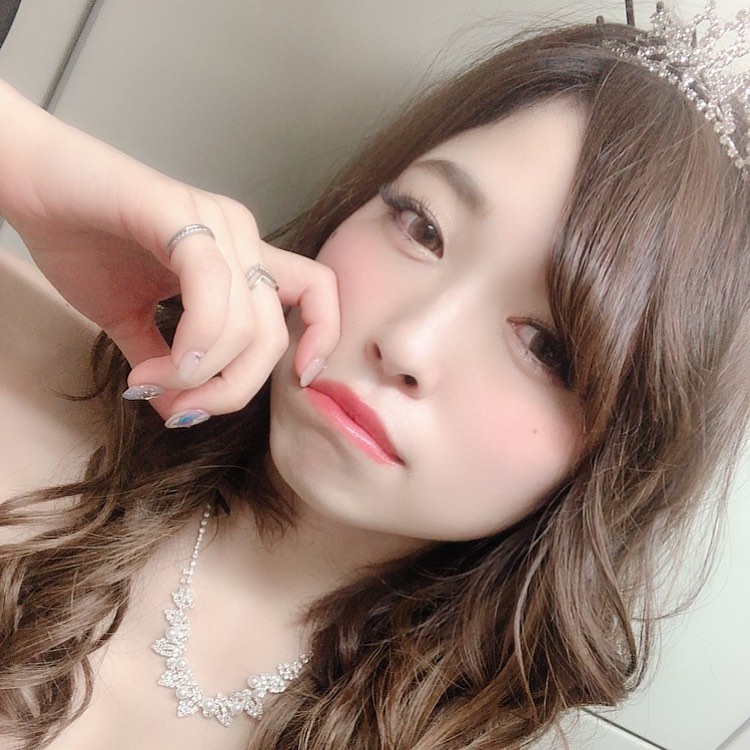
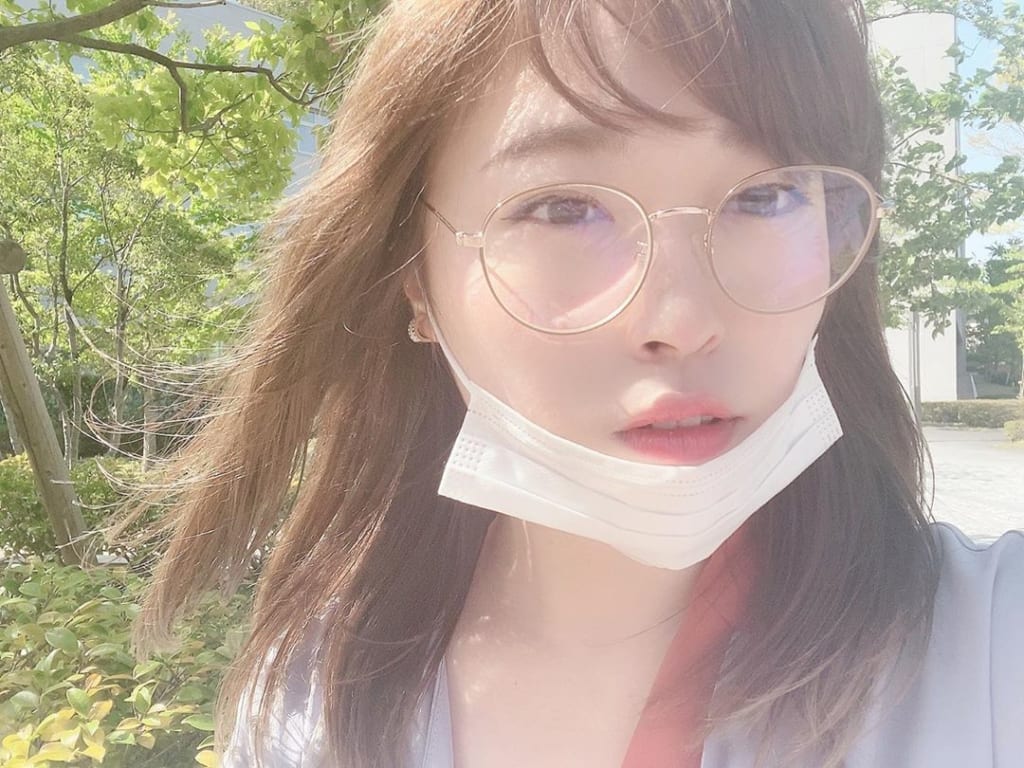
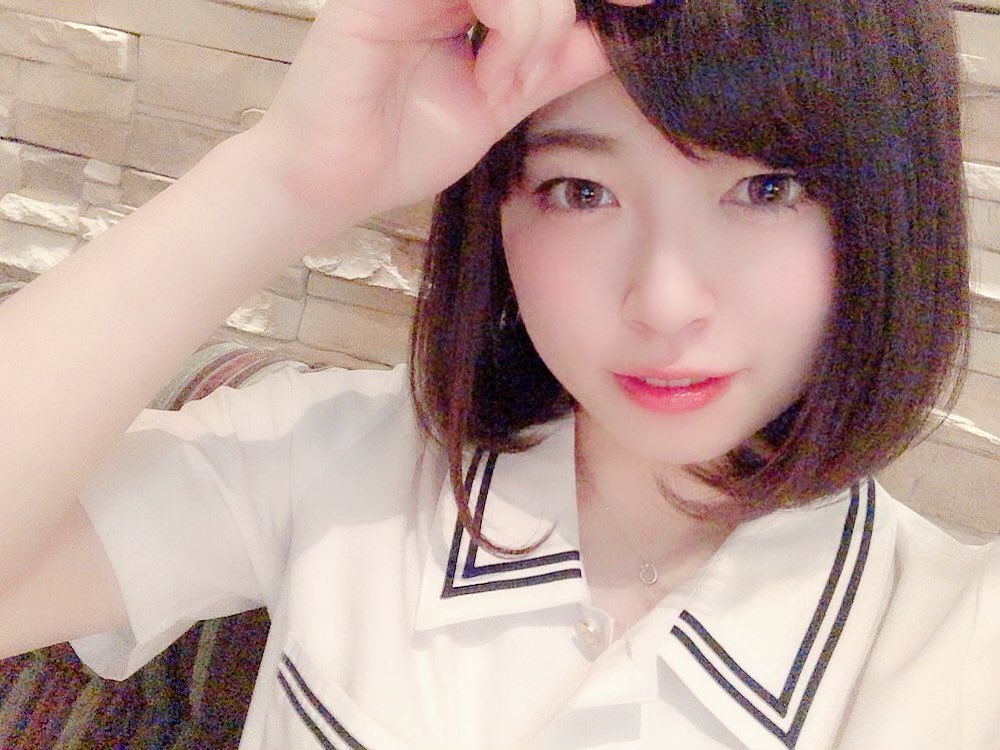
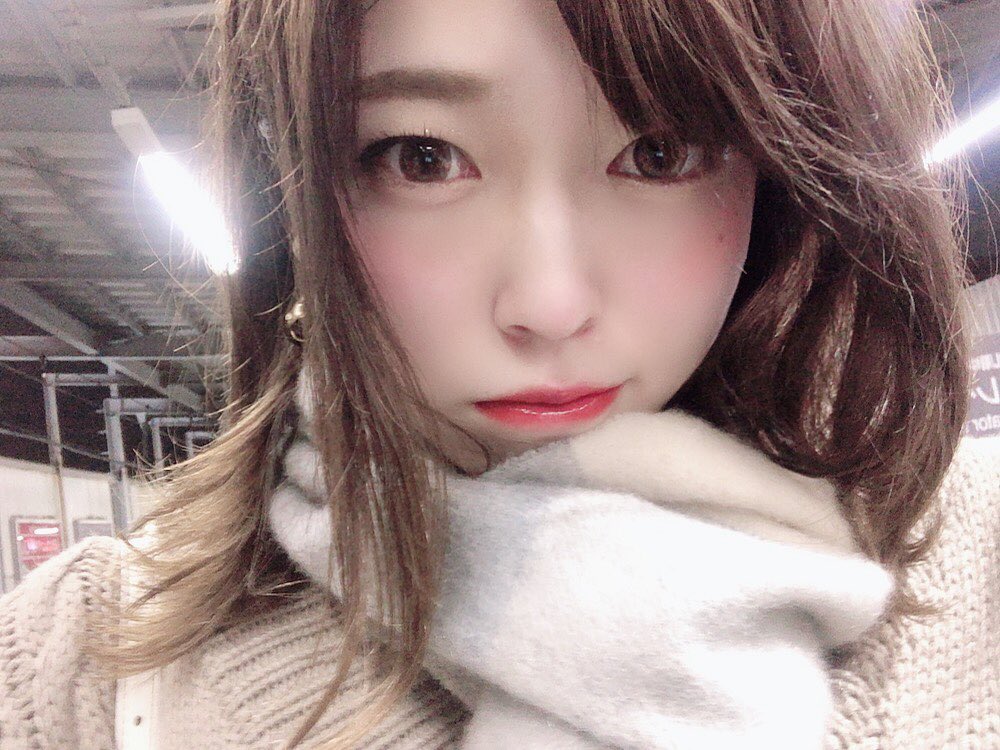
人知れず夜遊びマスターを自称している筆者ですが、朝・昼キャバももちろんチェックは欠かしません!渋谷【XENON】は早朝6:00から営業しているので、朝まで飲んだ日などに、その日の締めとして行くことが多いです。もうその時間には大抵べろべろなんですが、《朝比奈えりか》ちゃんに会う時は必死に酔いを隠します。なぜならシンプルに嫌われたくないから(笑)
出典:インスタ
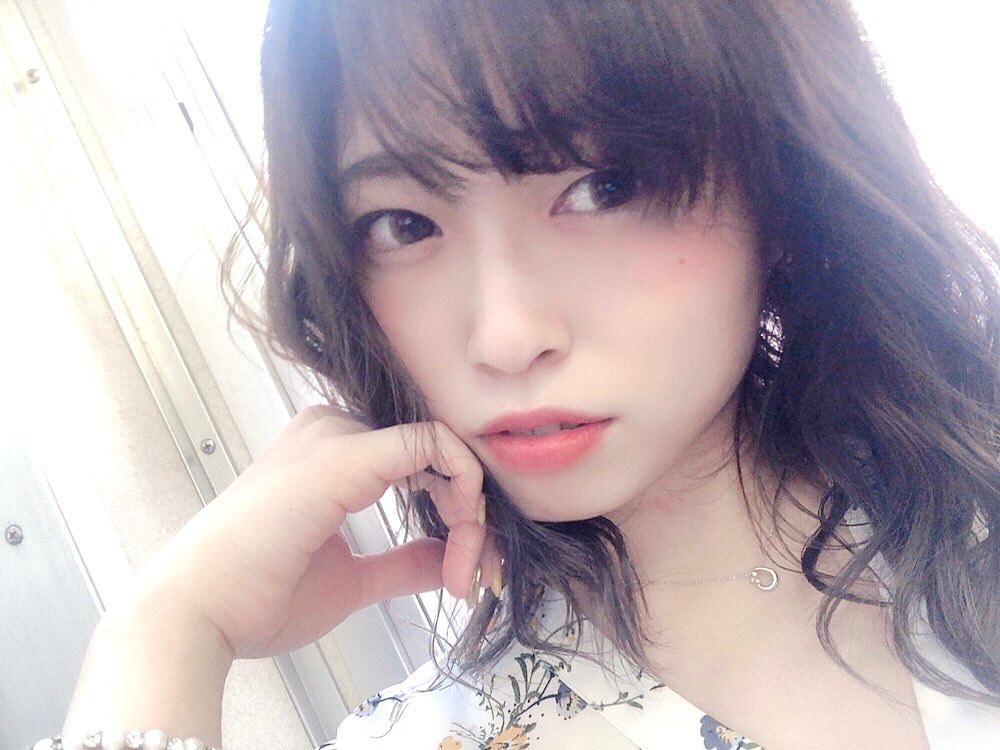
しかし、いつもえりかちゃんに言われるのが「せっかく楽しんできたんだったら無理に酔い覚ますことないのに!もったいない!」…なんてええ女なんや(笑)彼女に報いるには、気持ちよく楽しく酔っぱらいながらもお店には迷惑をかけずに飲む…それが筆者に出来ることです(笑)いつも朝から贅沢な思いをさせてもらっています。朝キャバに行くのであれば、ぜひともXENONをオススメします!酔っぱらいを肯定してくれる、優しいお店です(笑)
出典:インスタ
口コミ
朝の6時から空いているので、早く起きた休みの日なんかに行くと最高の一日を始められます。(男性・29歳)
渋谷キャバクラの口コミ【夜遊びショコラ】
毎日会いたくなるような可愛い子ばかり!イチオシのお店です!(男性・31歳)
渋谷キャバクラの口コミ【夜遊びショコラ】
先輩に連れてこられましたが、とても雰囲気の良いお店でした。女の子たちもかわいい子ばかりで連れて来てくれたことに感謝です!(男性・30歳)
渋谷キャバクラの口コミ【夜遊びショコラ】
XENON(ゼノン)の詳細情報
| 店名 | XENON 朝(ゼノン) |
| 電話番号 | – |
| 営業時間 | 6:00~12:00 |
| 定休日 | 月曜 |
| 住所 | 東京都渋谷区道玄坂1-6-2 渋谷ファイブビル5F |
XENON(ゼノン)へのアクセス
各線「渋谷駅」より徒歩3分
渋谷のオススメキャバクラ嬢6. 果銃ぐみ【CLUB The Celebrity(セレブリティ)】
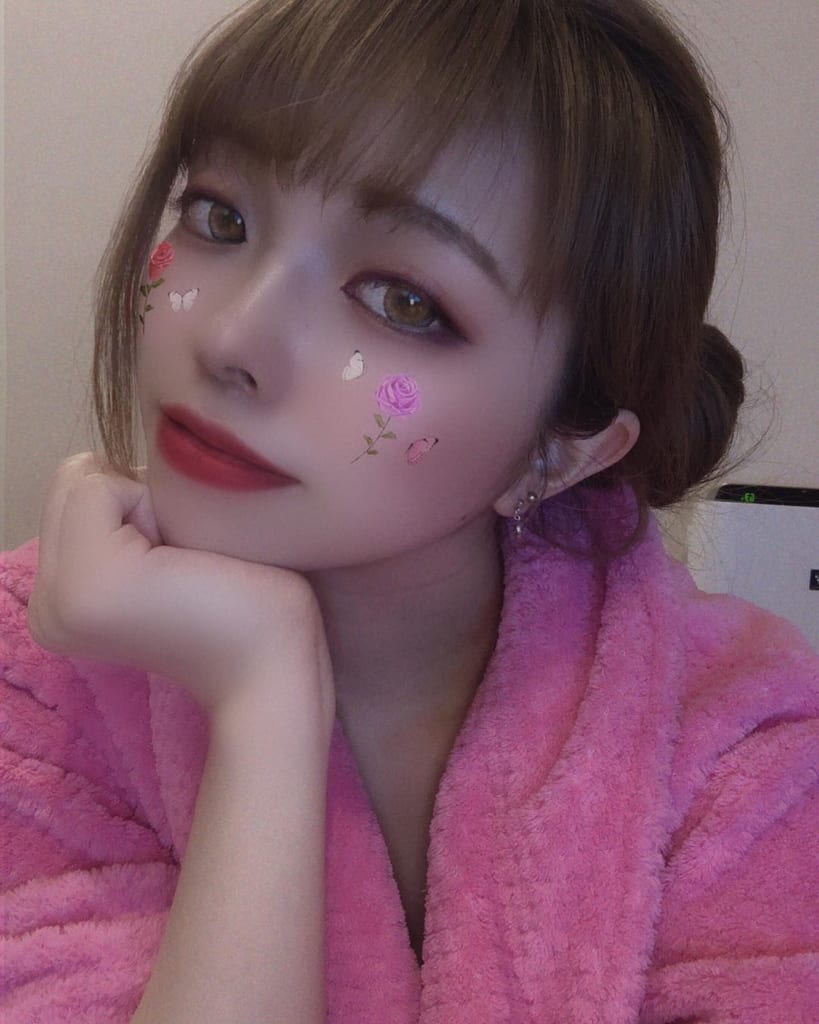
サービス満点!男前女子
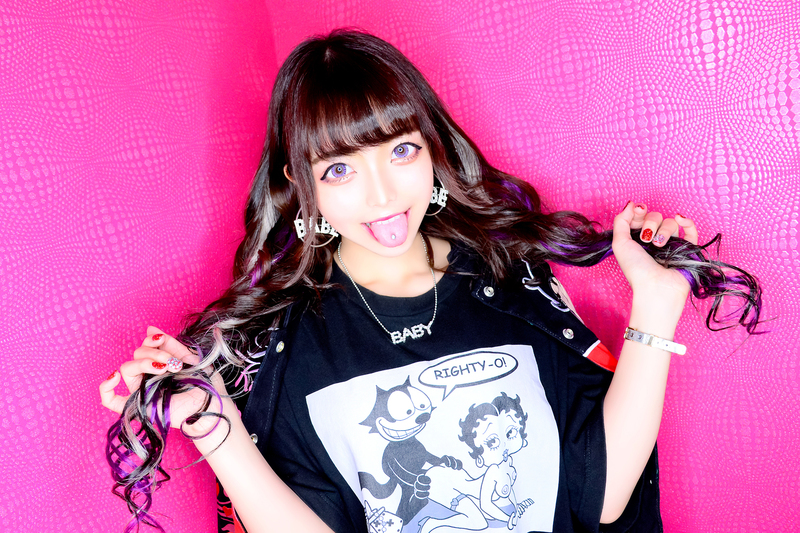
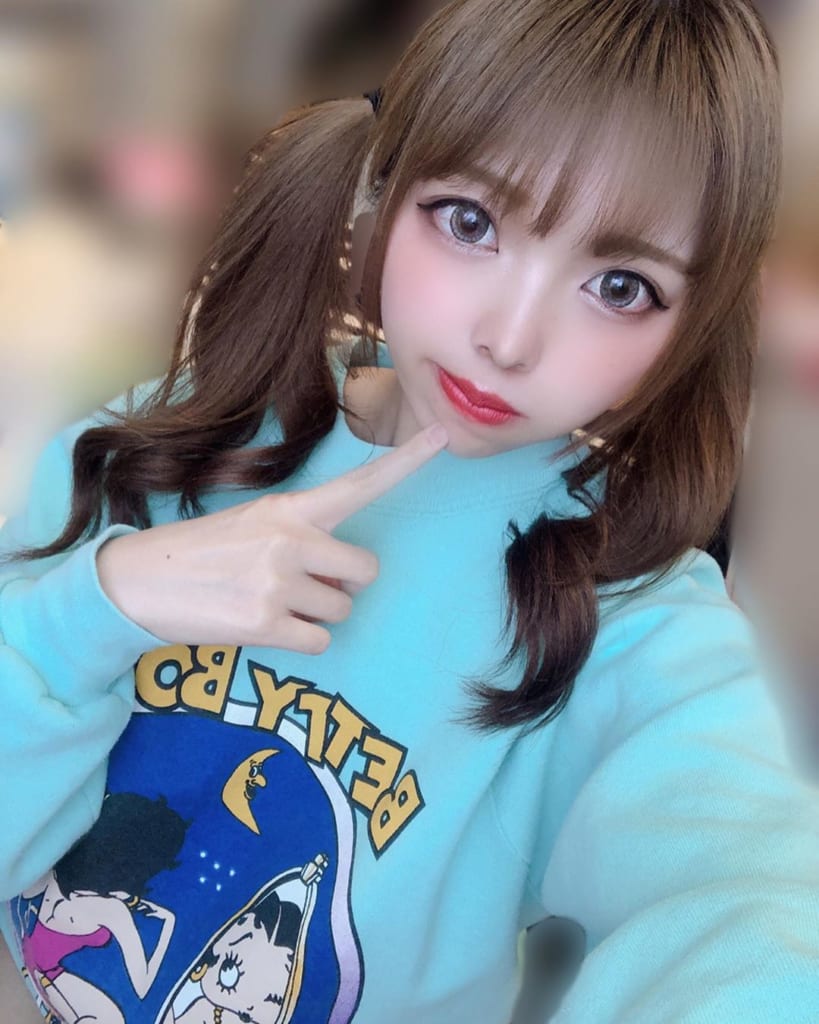
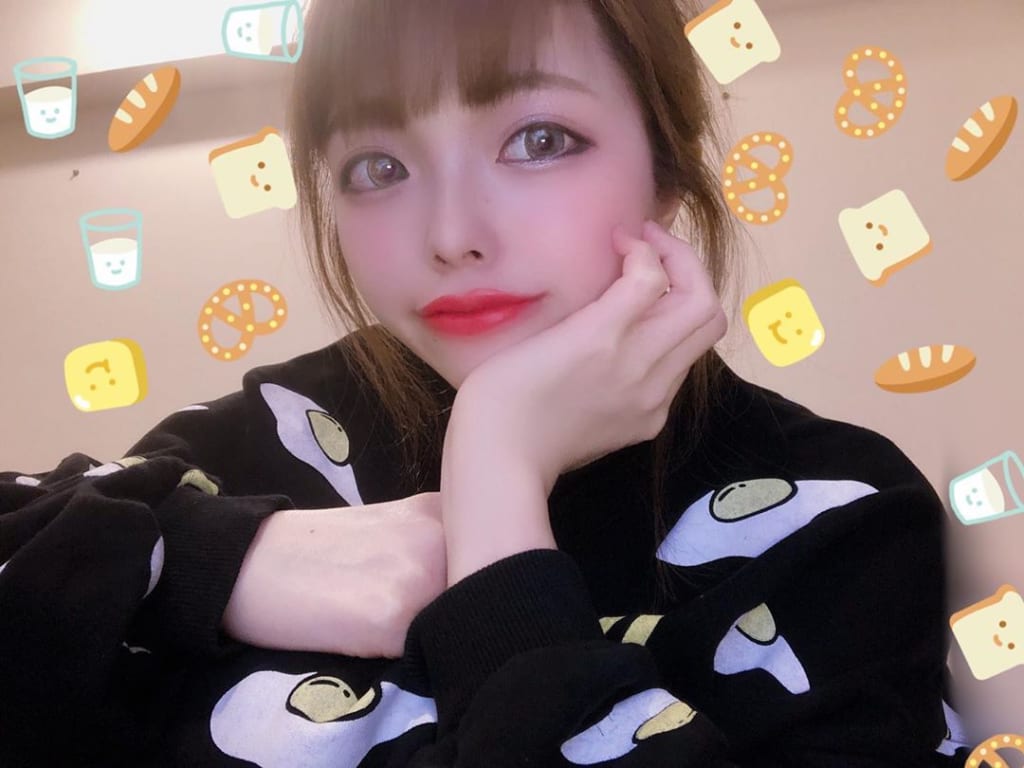
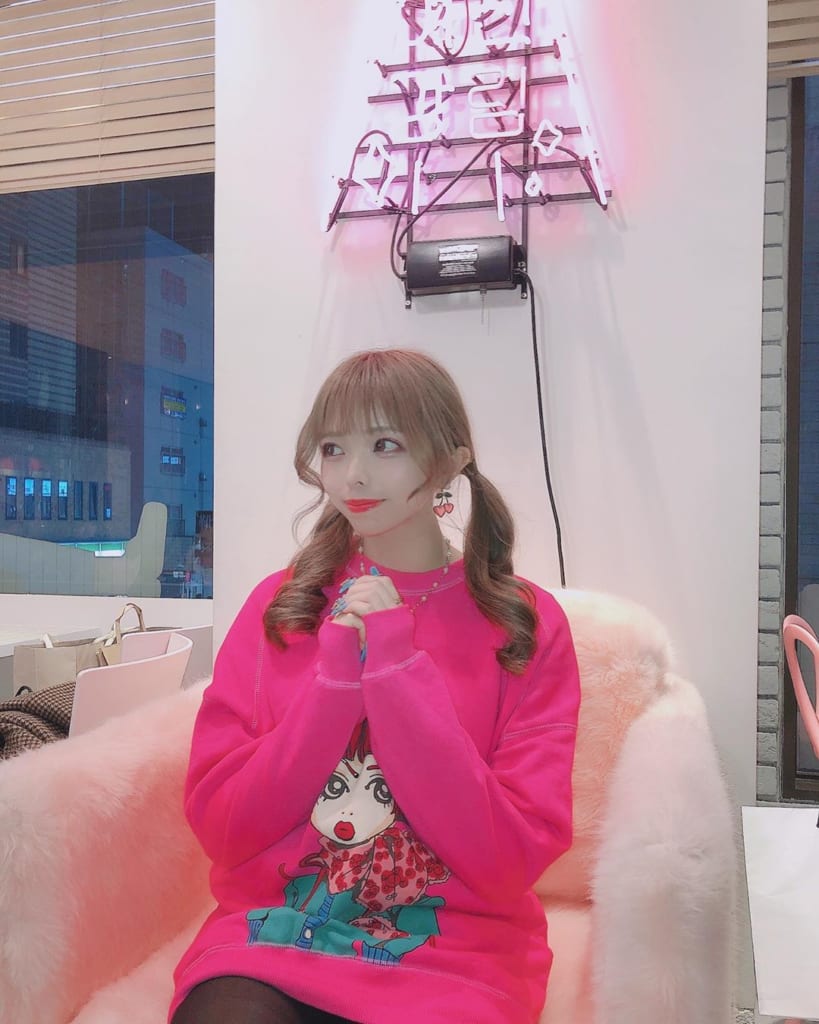
【CLUB The Celebrity(セレブリティ)】より二人目のご紹介!キュートなぱっちりおめめが特徴的な《果銃ぐみ》ちゃんです!イマドキギャルっぽいルックスですが、実はかなりのグラマラスボディの持ち主。彼女と初めて飲んだ時なんか、胸元がガッツリ空いたドレスを着てたので、終始目のやり場に困っちゃいました(笑)しかし「そういう服着てるんだから、無理して目そらさなくていいよ」と男前なことを言われてからファンになりました!
出典:インスタ
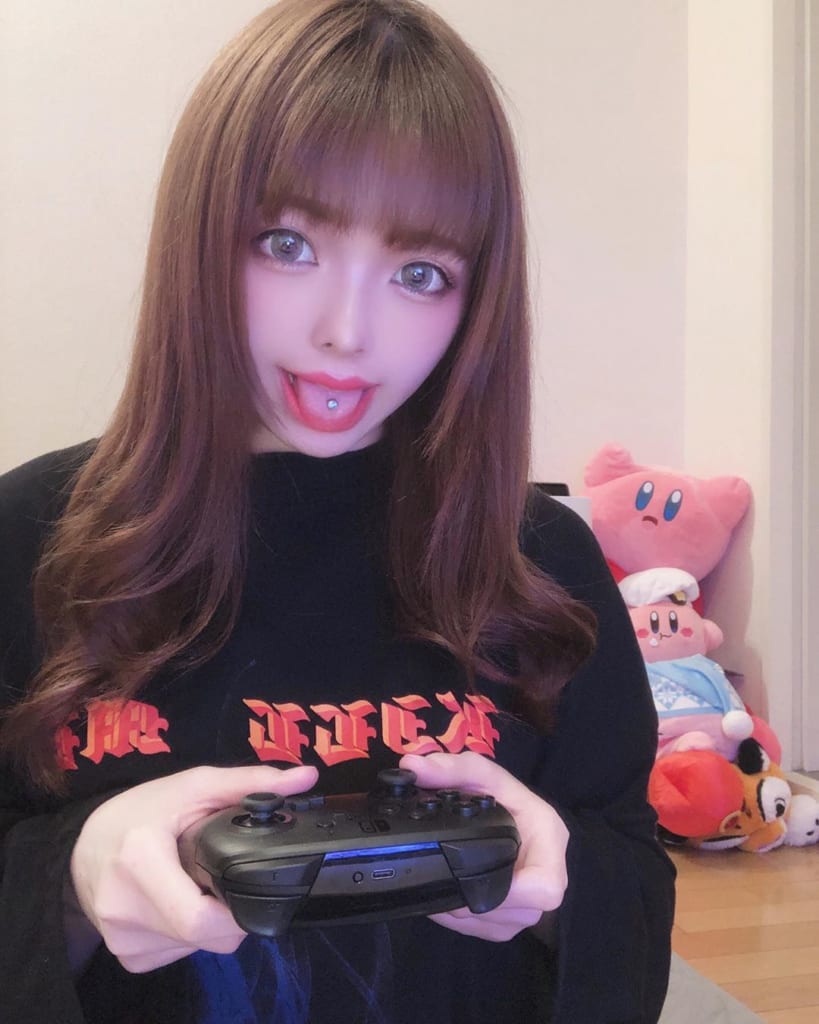
そこからは堂々と胸元を見れるようになったので助かりましたね(笑)いや、下心だけじゃないですよ!もちろんぐみちゃんの接客も込みでのファンです。見た目こそギャルですが、サービスは丁寧そのもの!思わず見惚れてしまうほどに、一つ一つの所作がきれいなんですよね。一歩引いてお客さんを立てるという事を、本当にさりげなくやってくれるので、キャバクラ嬢としてもかなりレベルが高い子だと思います!
出典:インスタ
口コミ
ゆったりとした雰囲気で、落ち着きながら飲むことができました。女の子たちは派手な子が多かったですが、みんな気遣いができるとてもいい子たちばかり! (男性・27歳)
渋谷キャバクラの口コミ【夜遊びショコラ】
果銃ぐみ【CLUB The Celebrity(セレブリティ)】のインスタグラム
CLUB The Celebrity(セレブリティ)の詳細情報
| 店名 | CLUB The Celebrity(セレブリティ) |
| 電話番号 | 03-5456-3900 |
| 営業時間 | 19:30~翌1:00 |
| 定休日 | 年中無休 |
| 住所 | 東京都渋谷区宇田川町28-2 ニュー渋谷ビル5F |
| インスタグラム | 果銃ぐみをフォローする |
CLUB The Celebrity(セレブリティ)へのアクセス
各線「渋谷駅」より徒歩2分
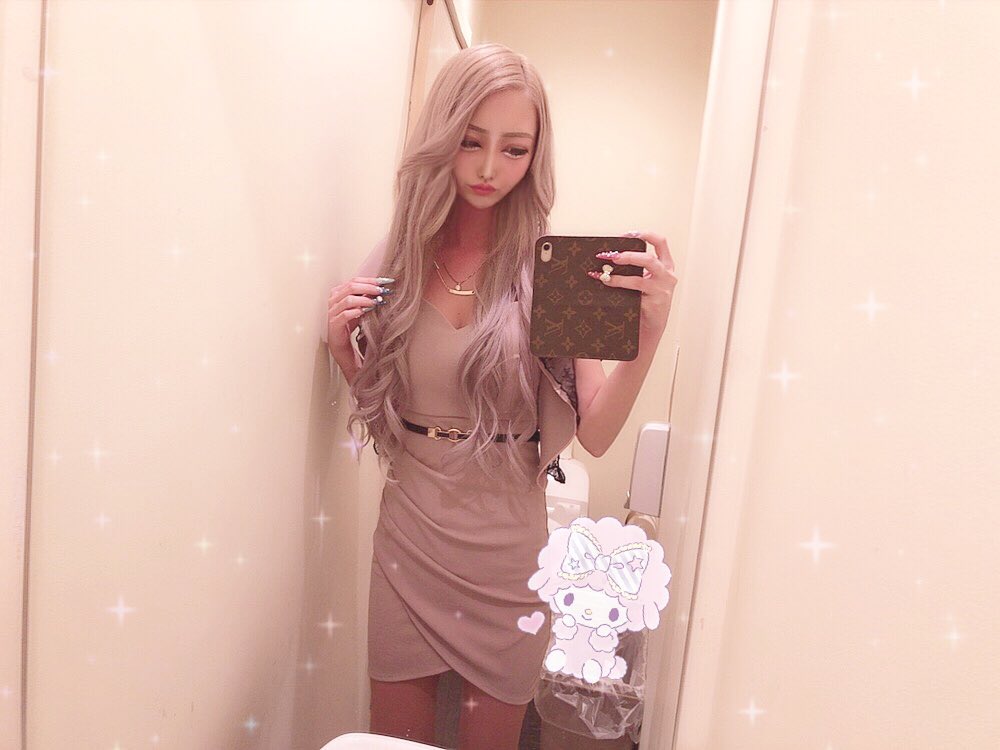
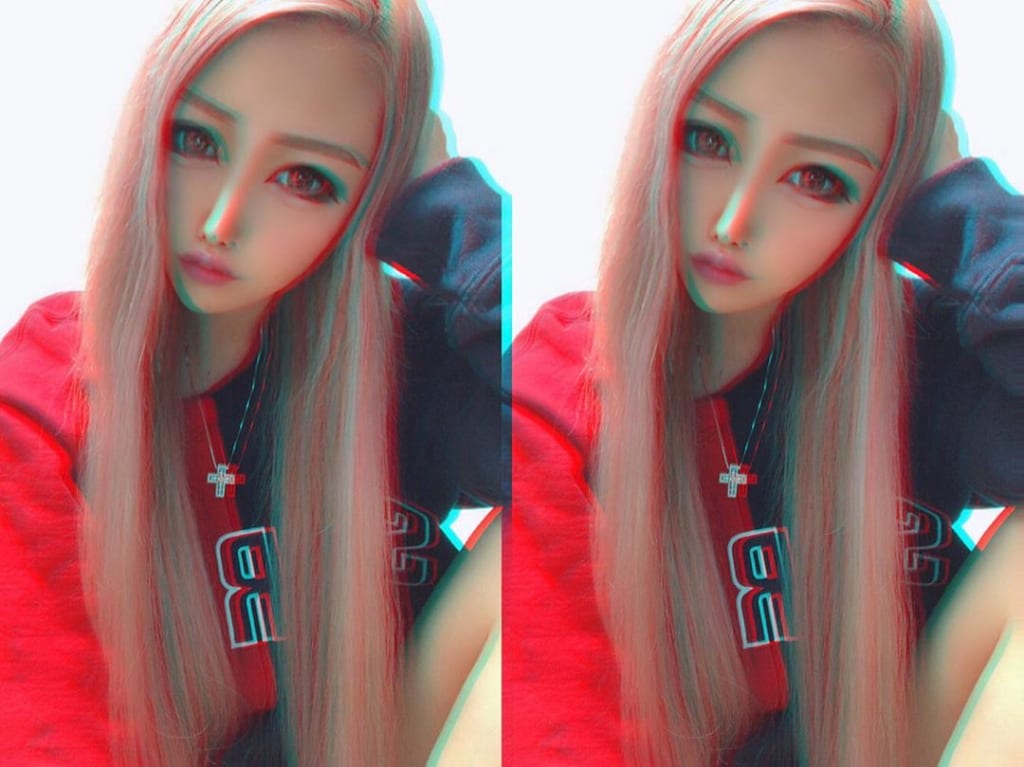
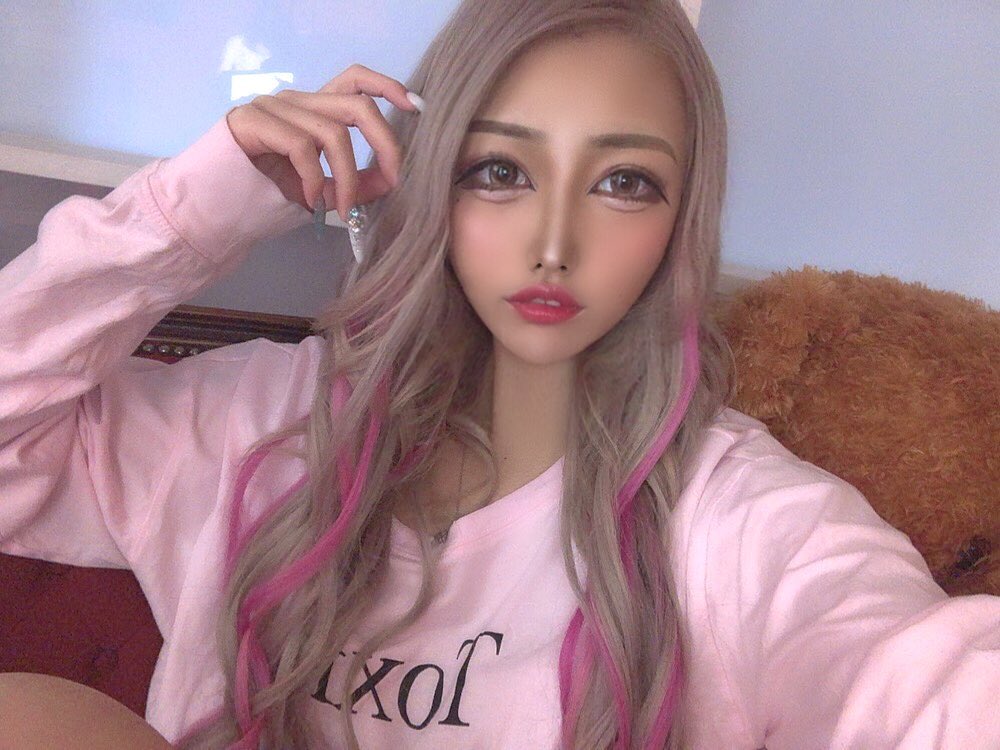
渋谷のオススメキャバクラ嬢7. あいみ【渋谷SEASIDE(シーサイド)】
おねだり上手なおっとりギャル
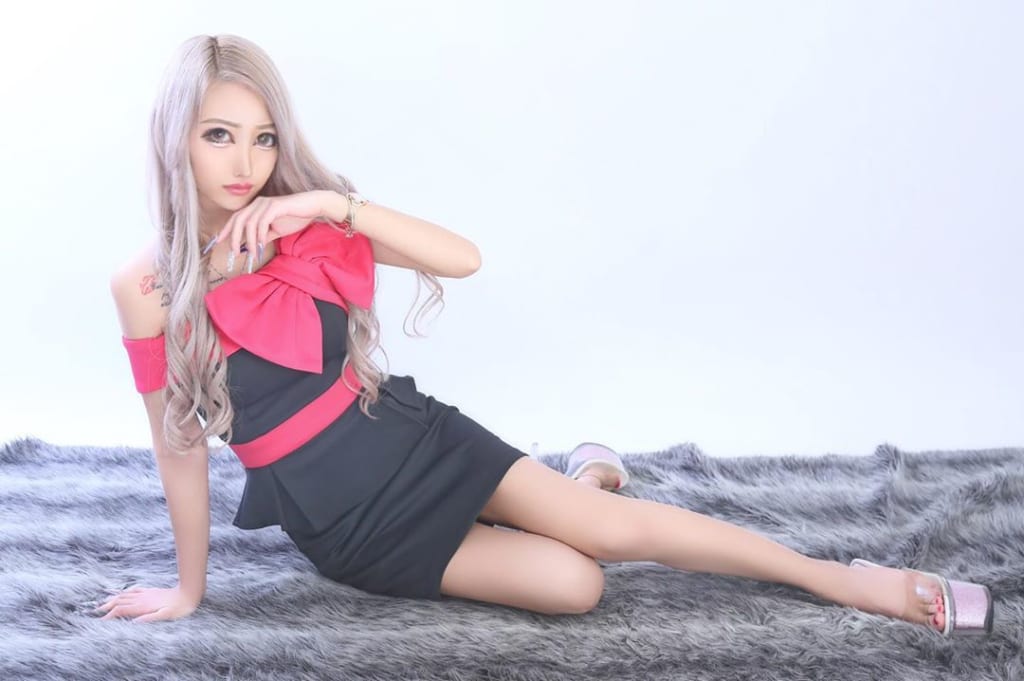
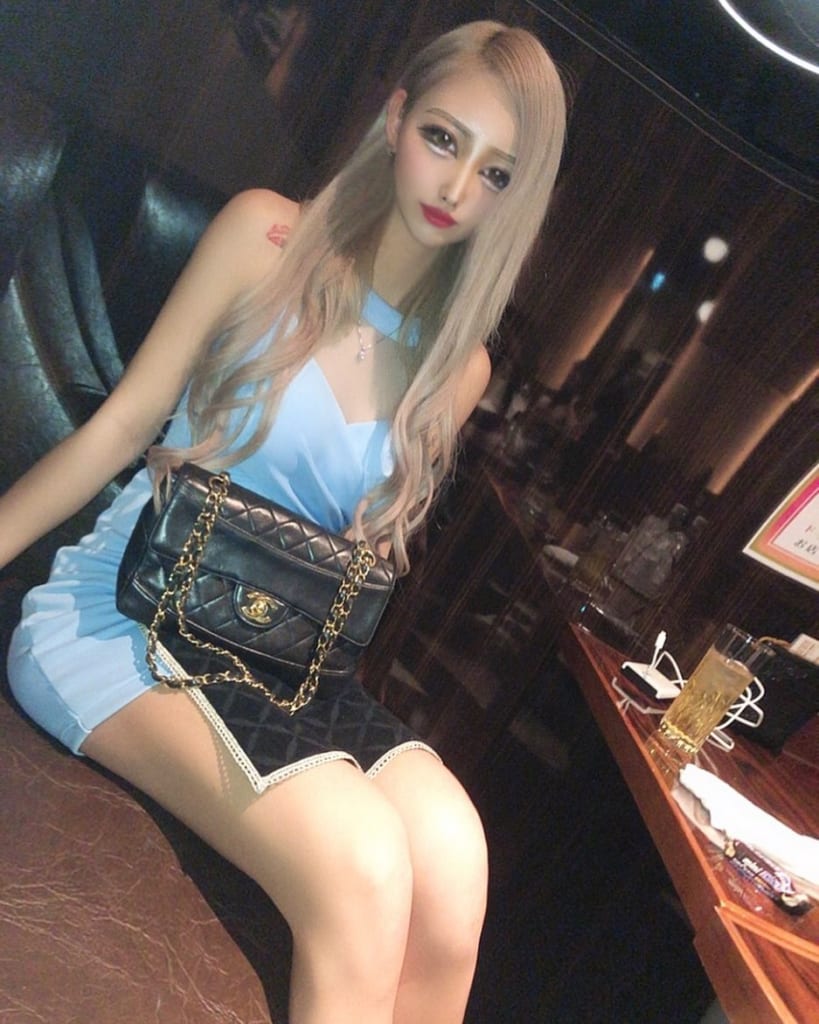
やはり大手グループ経営のキャバクラなんで、安定感抜群ですね。【渋谷SEASIDE(シーサイド)】からは二人目のご紹介です!自他ともに認める生粋のギャルキャバ嬢【あいみ】ちゃん!ギャルというと積極的なイメージですが、意外におっとりマイペースな一面もあるあいみちゃん!ギャップ萌えナイスです(笑)もちろん会話は率先して盛り上げてくれるので、すぐに会話に華が咲きます!
出典:インスタ
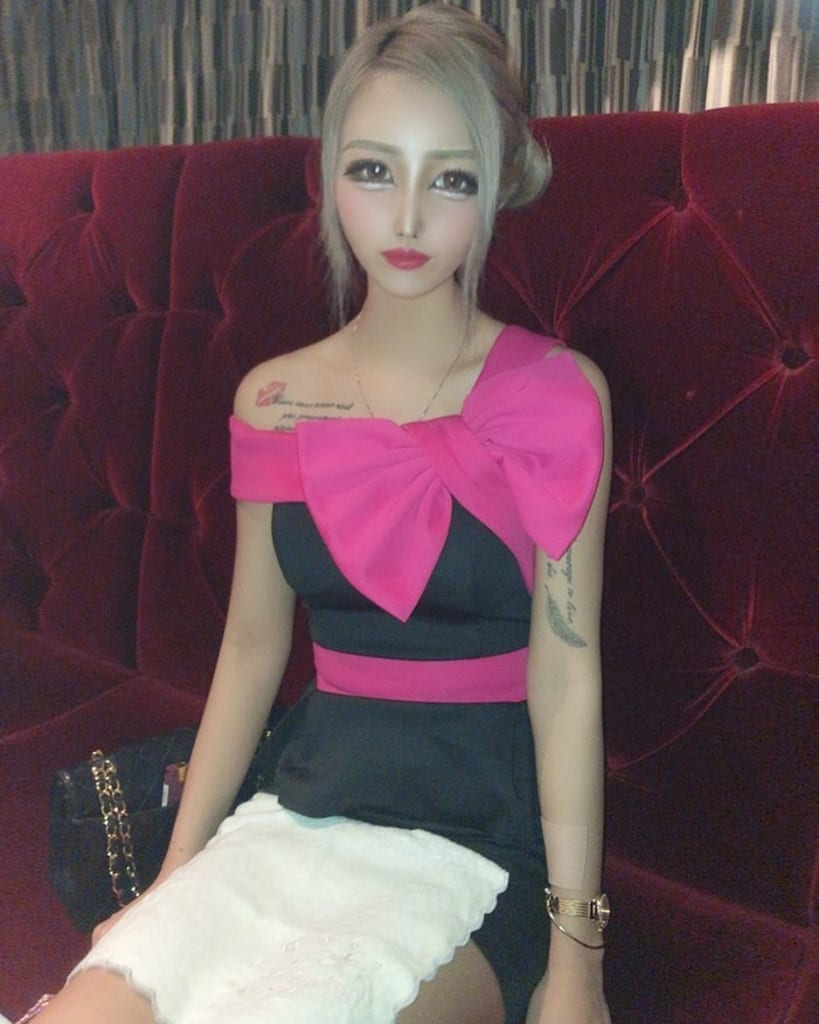
筆者の見た感じ、盛り上げないといけない場面と、おっとり力を抜いてもいい場面を見極めてる感じがします。やり方が上手なんですよね~(笑)あとおねだりが絶妙!初指名の日にまんまとシャンパン2本卸しちゃいました(笑)まぁ筆者のお財布事情的に、そこまで高くないボトルではあったんですが、それでもなかなかのやり手ですよね。天晴な手腕を持つあいみちゃんに、一度会いに行ってみてください!ギャル好きの方は特に!
出典:インスタ
あいみ【渋谷SEASIDE(シーサイド)】のインスタグラム


渋谷SEASIDE(シーサイド)の詳細情報
| 店名 | 渋谷SEASIDE(シーサイド) |
| 電話番号 | 03-3476-8755 |
| 営業時間 | 19:00~翌1:00 |
| 定休日 | 日曜 |
| 住所 | 東京都渋谷区宇田川町33-8 塚田ビル 8F |
| インスタグラム | あいみをフォローする |
渋谷SEASIDE(シーサイド)へのアクセス
各線「渋谷駅」より徒歩4分
渋谷のオススメキャバクラ嬢8. まい【e-style(イースタイル)】
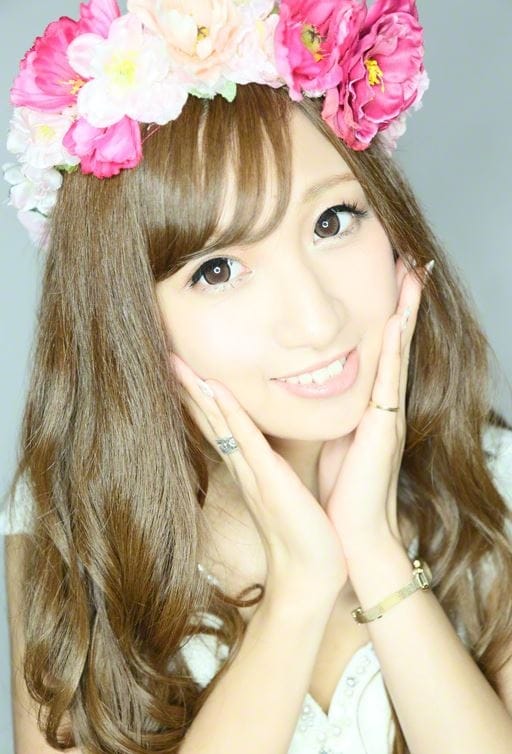
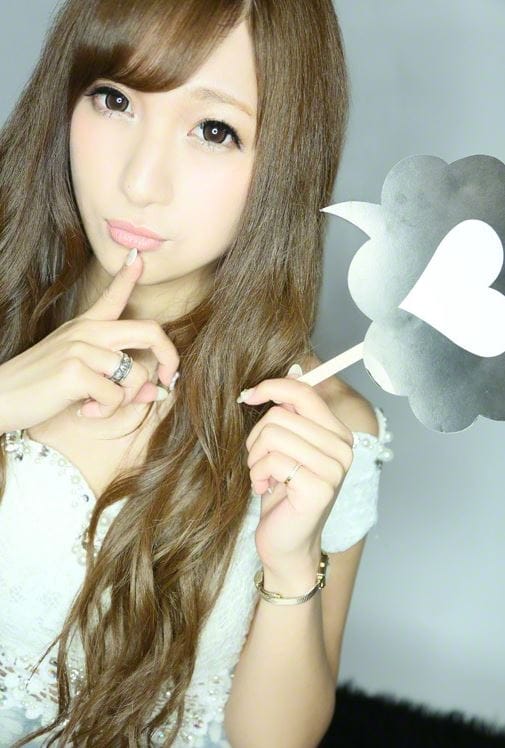
美しい食べっぷりに見とれる男性続出!
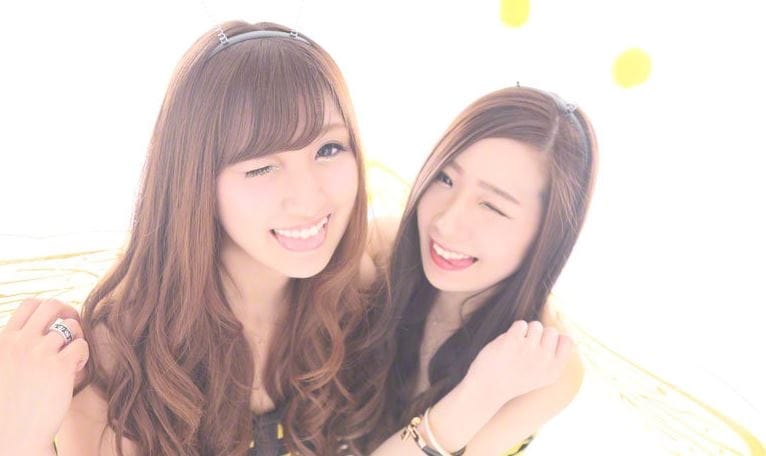
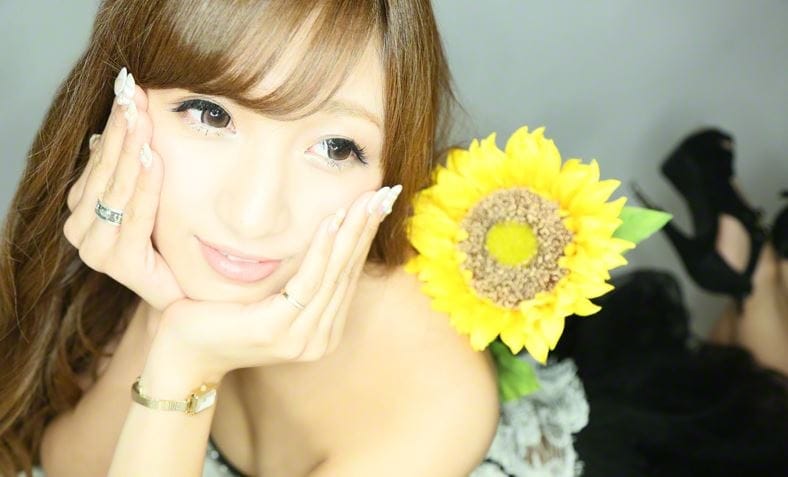
渋谷の夜のお店で女の子と遊ぶのであれば、この子は絶対に外せません。【e-style(イースタイル)】の【まい】ちゃんです!実は彼女…その美貌からは想像もつかないほどの”食べるの大好き女子”!!「今まで食べた物の中で一番おいしかったのは?」という質問に、普通の子なら○○のステーキだとか高級店のお寿司と帰ってきそうですが、「まい」ちゃんは”新潟の米”という渋さっぷり!”本物の美食家はこうじゃなきゃ!”と筆者は心の中で叫びました(笑)
出典:ナイツネット
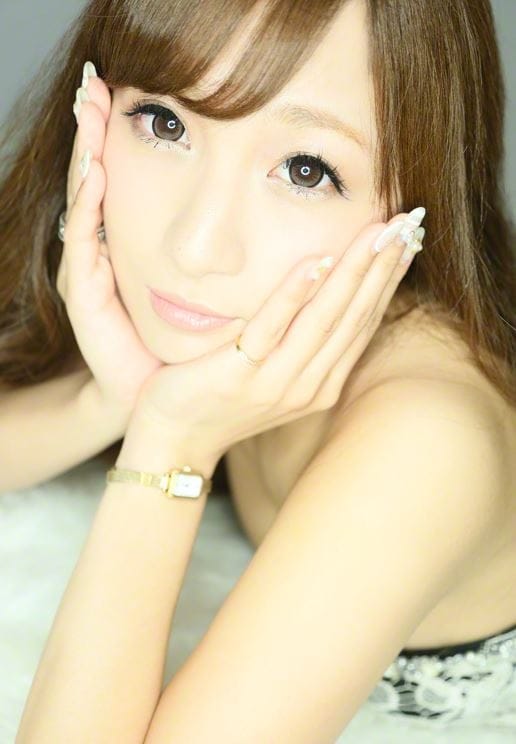
なんでも幸せそうに食べるその姿を見てるとこっちまで奢りたくなってしまって、彼女と会うたびにお財布とにらめっこをしています(笑)他にも話を聞いてみると、前職はアパレル業なんだとか。きっと普段の服装もオシャレなんだろうなぁとここ最近妄想を膨らませています…。彼女の魅力を直で味わいたい方はぜひ【e-style(イースタイル)】へ行ってみてくださいね!
出典:ナイツネット
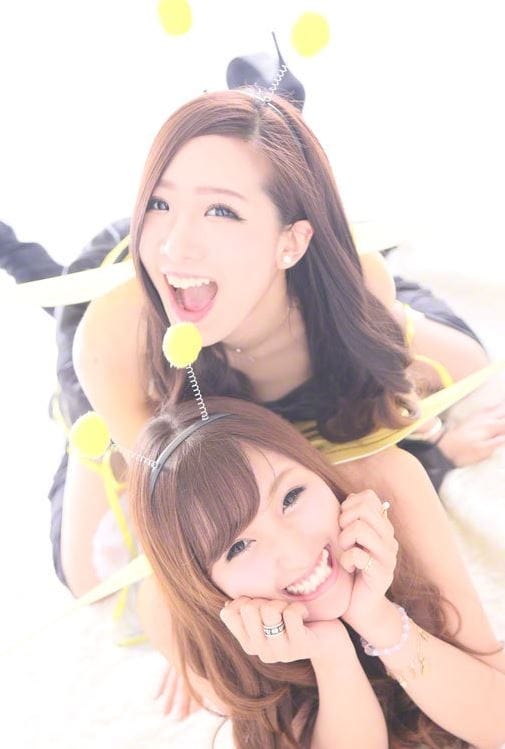
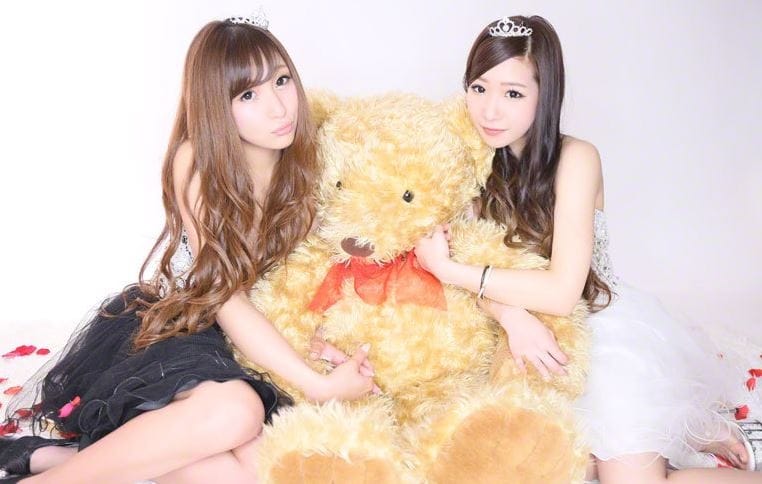
e-style(イースタイル)の詳細情報
| 店名 | e style(イースタイル) |
| 電話番号 | 03-5459-9229 |
| 営業時間 | 20:00~翌1:00 |
| 定休日 | 日曜 |
| 住所 | 東京都渋谷区宇田川町26-4 Lu82ビル 6F |
e-style(イースタイル)へのアクセス
各線「渋谷駅」より徒歩5分
渋谷のオススメキャバクラ嬢9. 蒼月 みく【BARNEYS(バーニーズトーキョー)】
可愛さ反則級!渋谷で人気のオシャレ女子!
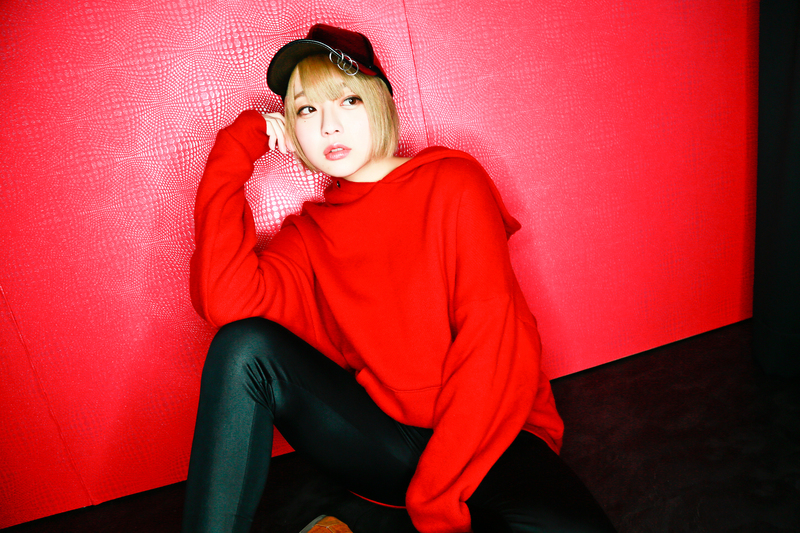
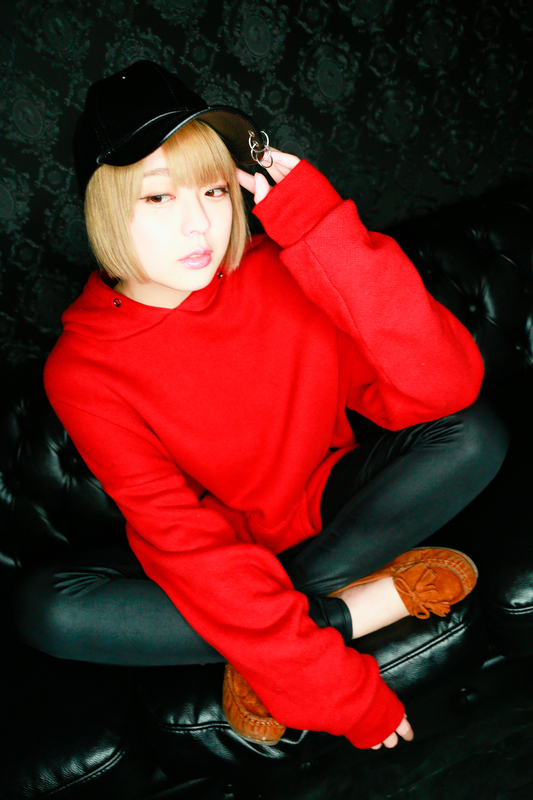
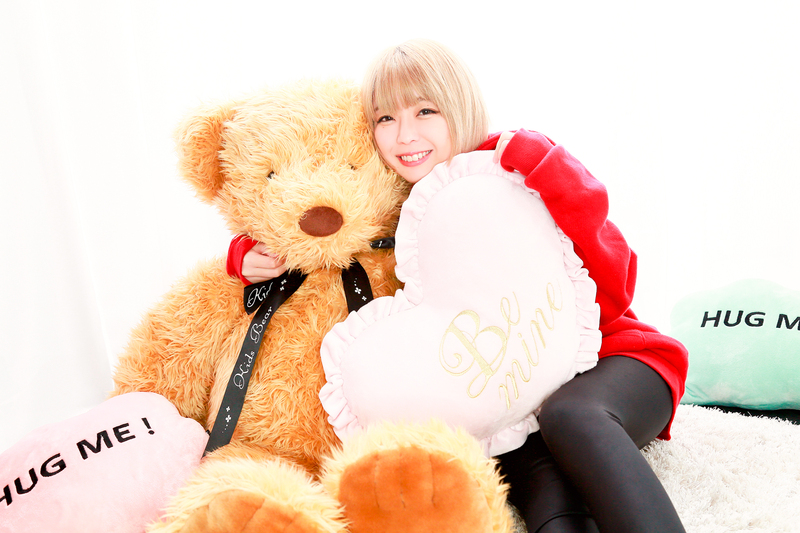
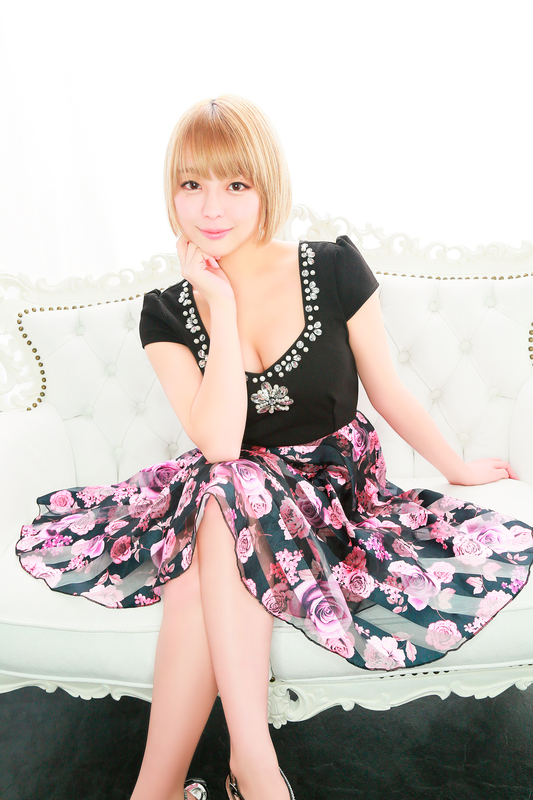
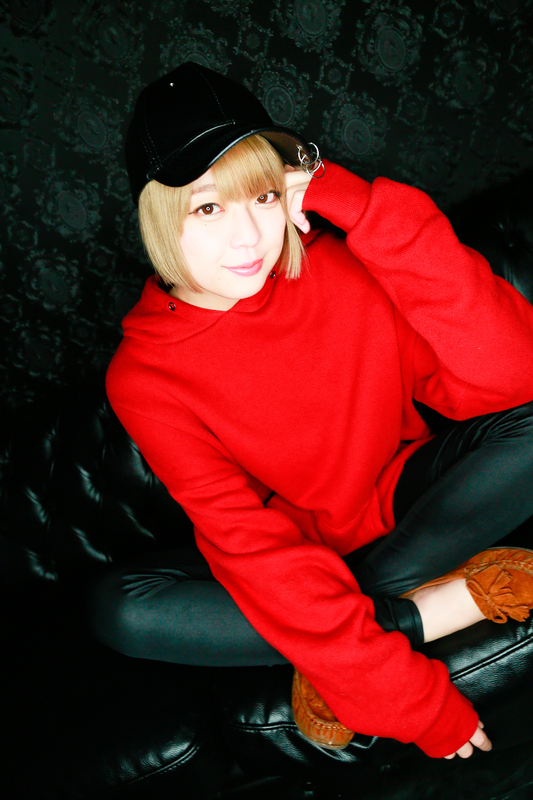
渋谷の道玄坂に佇むお店【BARNEYS(バーニーズ)】!そこに渋谷の街によく似合うイマドキ女子《蒼月 みく》ちゃんが働いています!仕事で疲れた日は、彼女の明るく元気な笑顔で癒されに良くお店へ行きます(笑)金髪ショートの彼女はとってもオシャレ!こだわりのネイルはいつみても驚かされてしまいます!恥ずかしい話ですが、”男らしい人”がタイプという情報を聞いてから筆者は筋トレを始めました(笑)
出典:ナイトスタイル
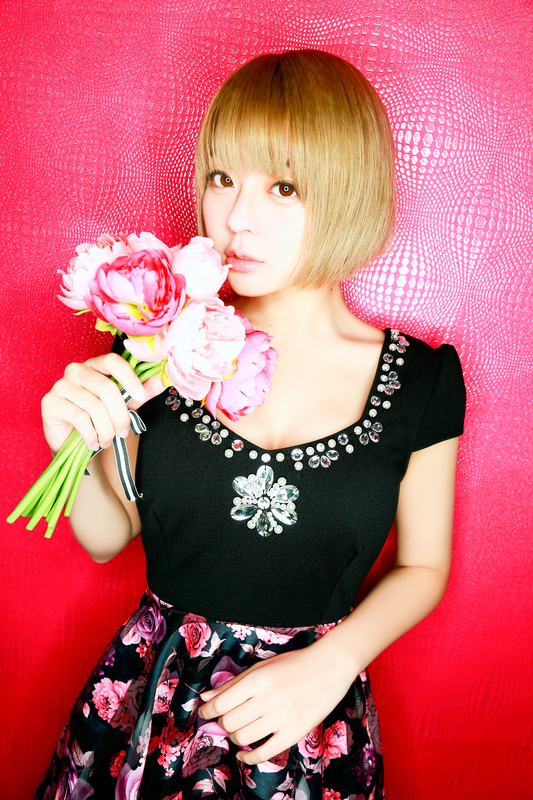
また自身でもチャームポイントは”目”と言っている通り、大きくぷっくらとした瞳がとっても魅力的!見ているだけで吸い込まれそうになる彼女の魅力に釘付けになってしまう男性が続出しています!「実際に会ってみたいな…」そうお思いのそこのあなた!ぜひ一度【BARNEYS(バーニーズ)】へ足を運んでみてください!きっと素敵な思い出を作ることができますよ!
出典:ナイトスタイル
口コミ
今どきの子が多く、とても明るい空間でした!ノリも良く楽しく飲むことができます。 (男性・26歳)
渋谷キャバクラの口コミ【夜遊びショコラ】
BARNEYS(バーニーズトーキョー)の詳細情報
| 店名 | BARNEYS TOKYO (バーニーズトーキョー) |
| 電話番号 | 03-3462-9955 |
| 営業時間 | 20:00~翌1:00 |
| 定休日 | 日曜 |
| 住所 | 東京都渋谷区道玄坂2丁目10−10 世界堂ビル 2FC |
BARNEYS(バーニーズトーキョー)へのアクセス
各線「渋谷駅」より徒歩3分
渋谷のオススメキャバクラ嬢10. ひかる【Club Belle Rays(ベルレイズ)】
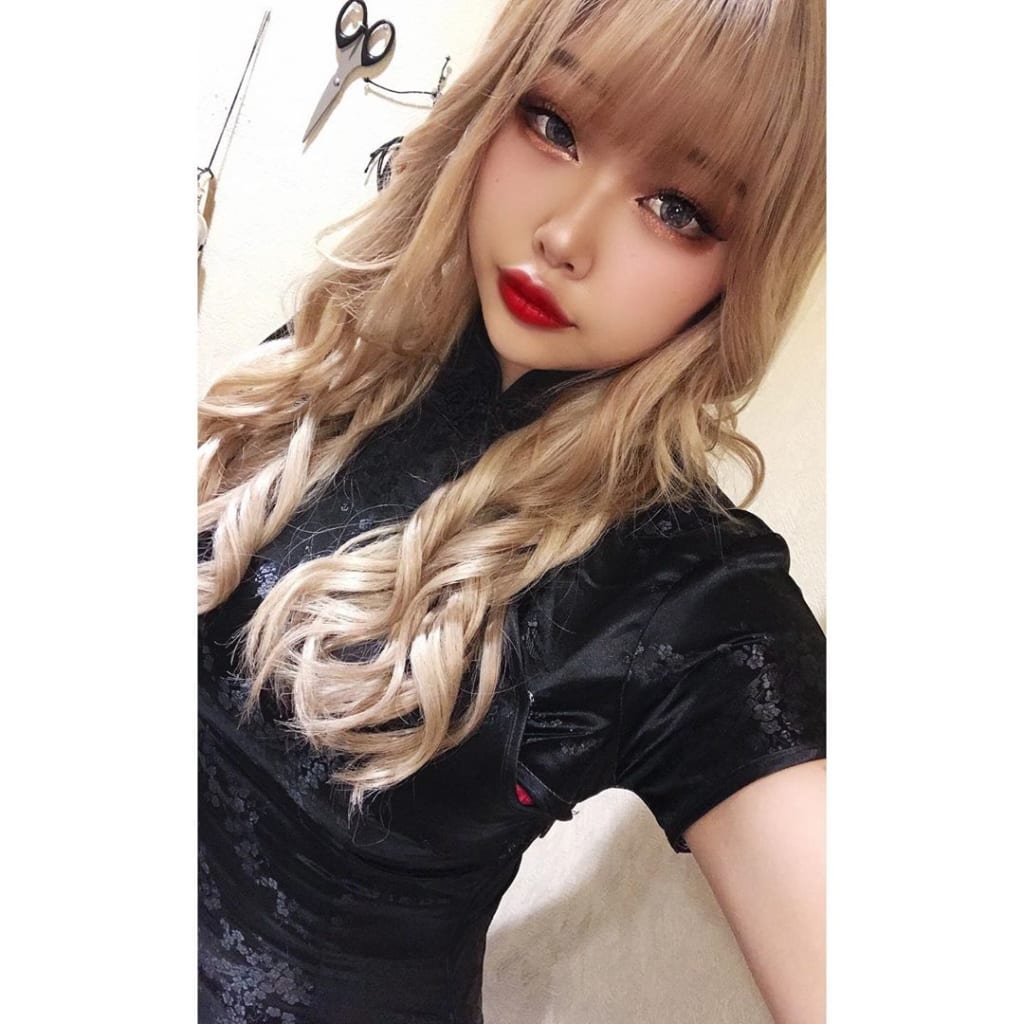
#渋谷 #ギャル #コスプレ #魅惑の21歳!
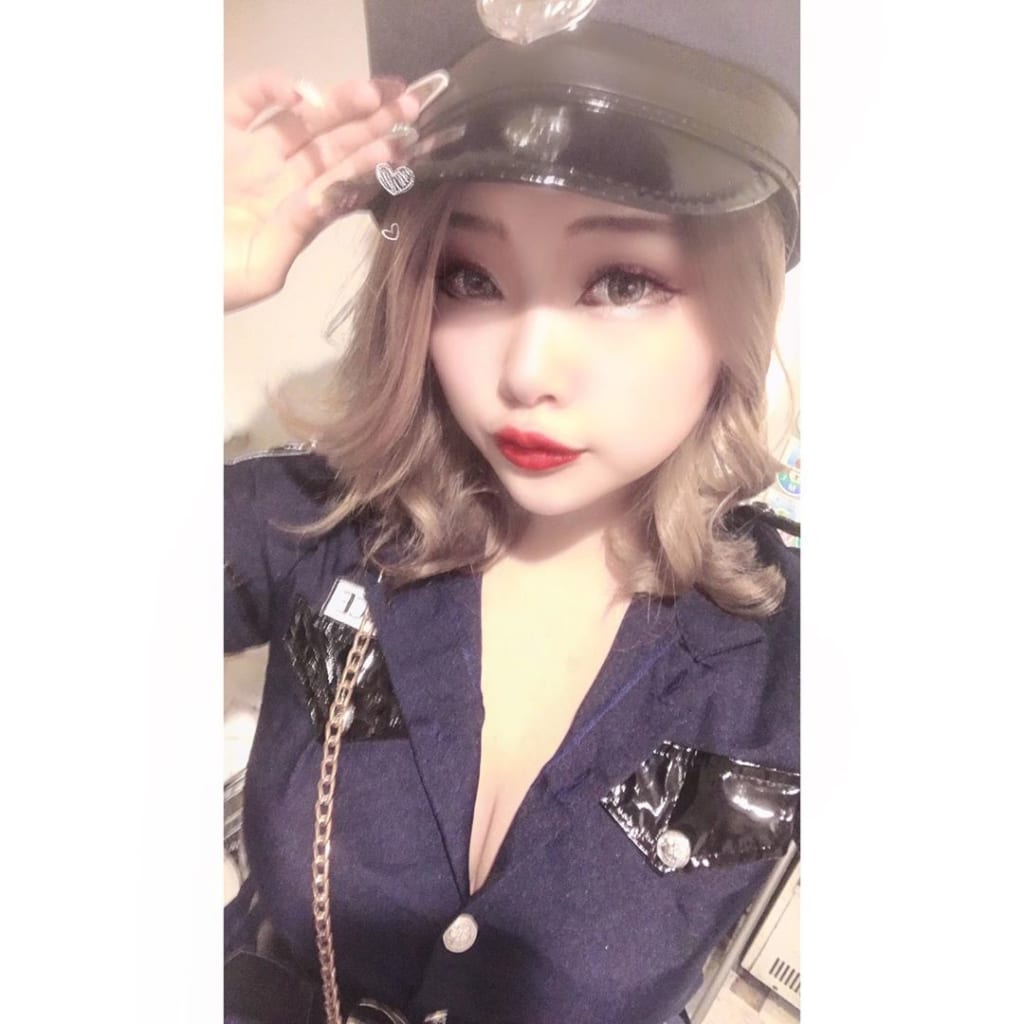
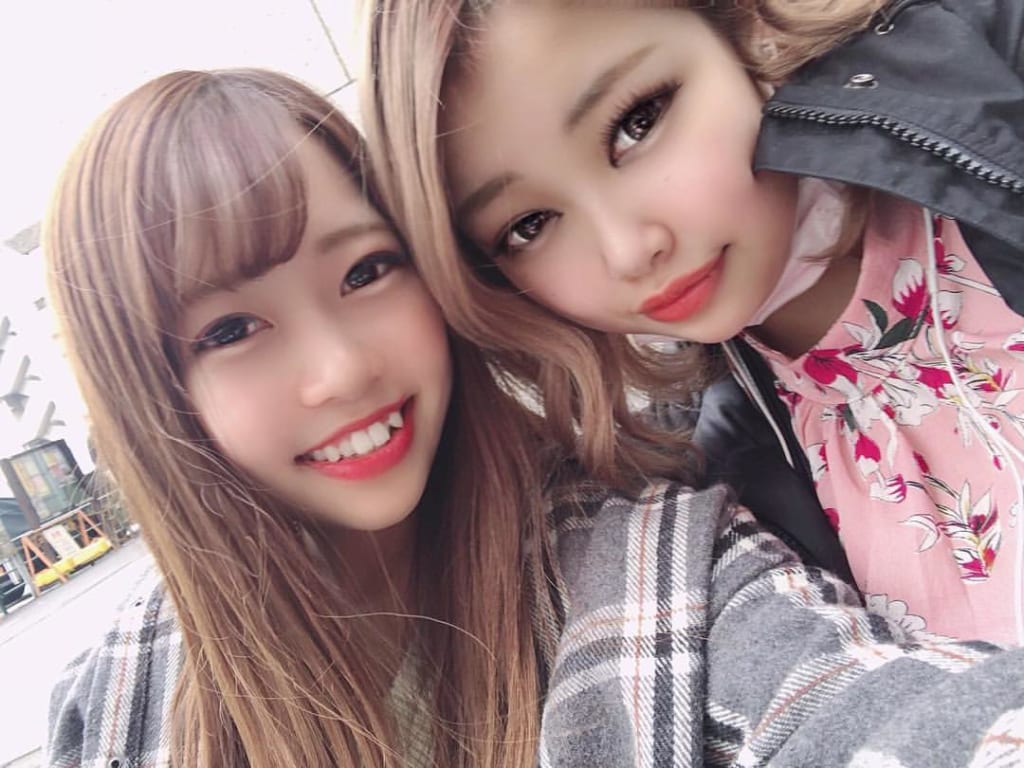
『Club Belle Rays』は渋谷で愛され続ける老舗キャバクラ!ですが、流行の発信地である渋谷には“老”なんて言葉は似合いません(笑)今回は令和の渋谷ギャルと話題沸騰中の美少女《ひかり》ちゃんをご紹介します。彼女はまだぴちぴちの21歳!外見の大人っぽさの中に時々、初々しさが混じる超フレッシュな美少女です。初めてお会いしたのはJKコスプレデーの日!「まだ学校の制服捨ててないんです」って言って卒業式の写真を見せてもらったのを覚えています。
出典:インスタ
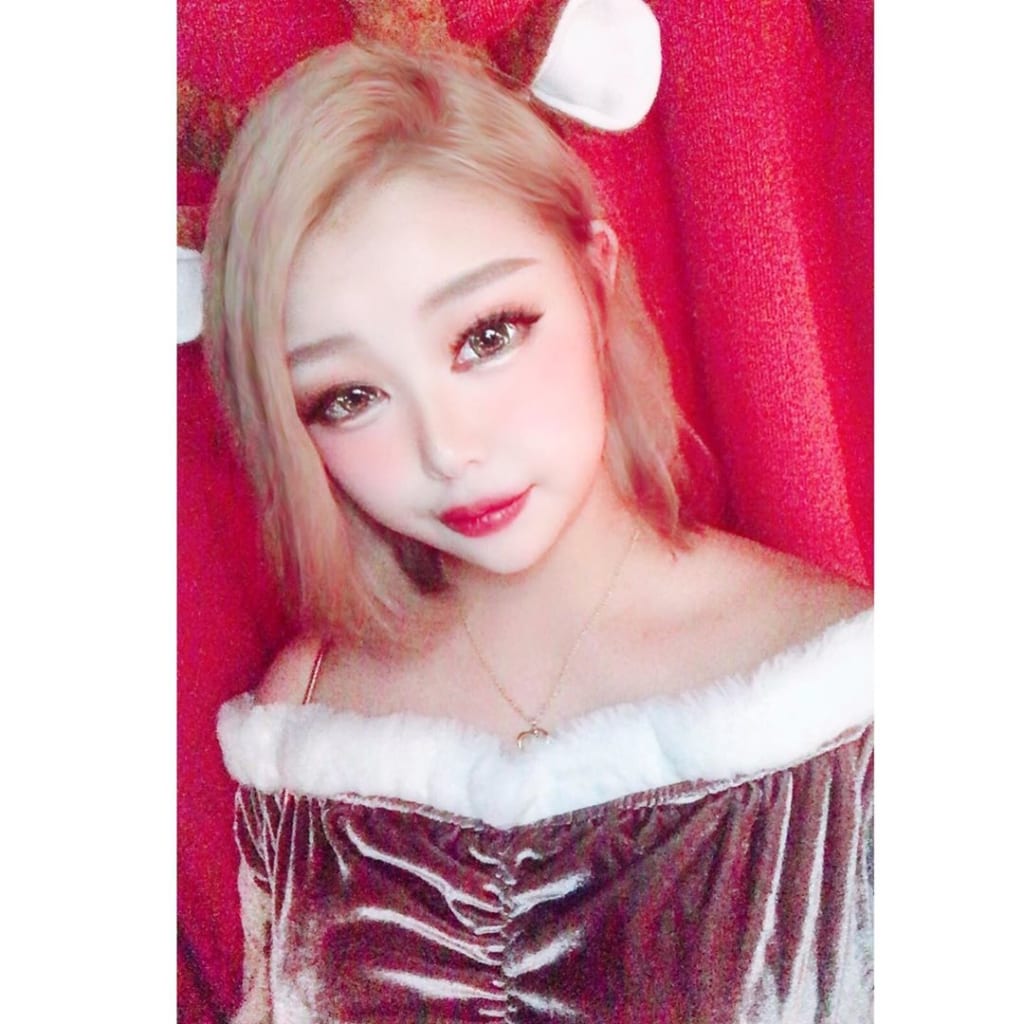
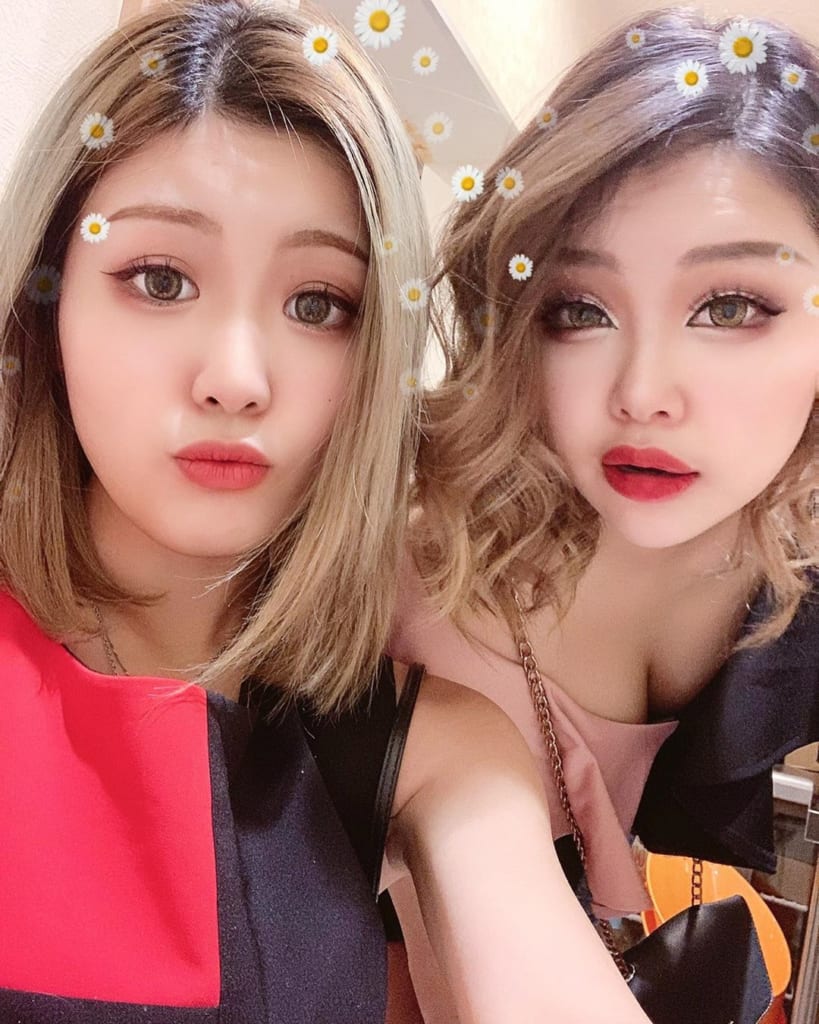
まだ化粧を覚えてない彼女の自然体な姿にグッとしちゃいました!それからどんな巡り合わせか訪れるたびにチャイナドレスだったり、ミニスカポリスだったり、さまざまな姿を拝ませていただいてます(笑)これからの渋谷のパリピクイーンはまさしくひかりちゃん!ハロウィン時期以外でもコスプレを見させてくれる、キュートな彼女にぜひお店に会いに行ってくださいね。
出典:インスタ
Club Belle Rays(ベルレイズ)の詳細情報
| 店名 | Club Belle Rays(ベルレイズ) |
| 電話番号 | 03-6455-2605 |
| 営業時間 | 21:00~翌1:00 |
| 定休日 | 年中無休 |
| 住所 | 東京都渋谷区道玄坂1-5-4 照力ビル3F |
| インスタ | ひかるをフォローする |
Club Belle Rays(ベルレイズ)へのアクセス
各線「渋谷駅」より徒歩2~3分
渋谷のオススメキャバクラ嬢11. みさ【渋谷SEASIDE(シーサイド)】
才色兼備の黒髪美少女!
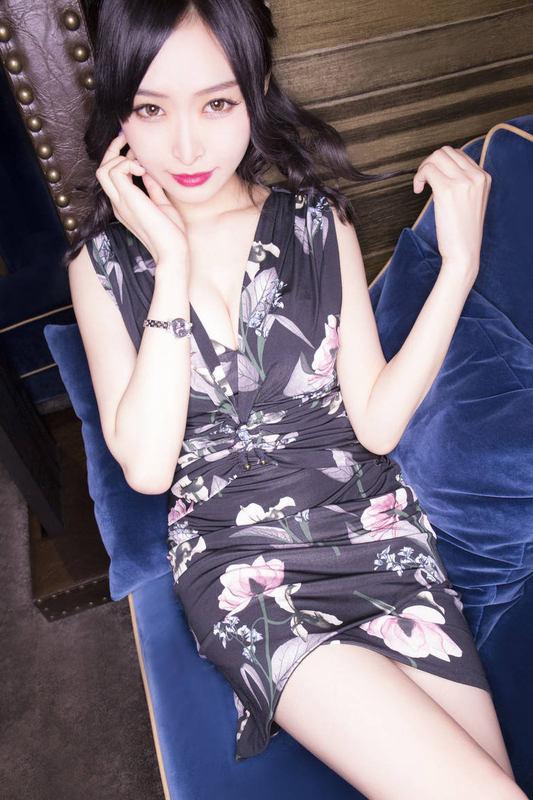
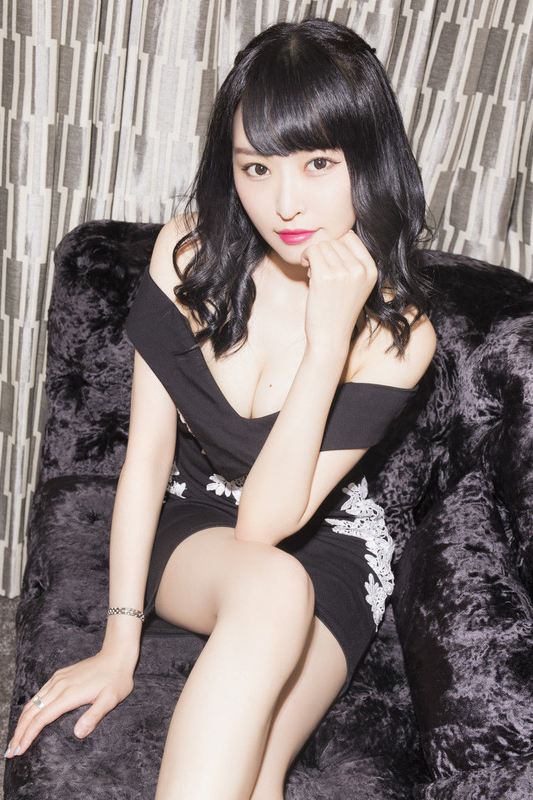
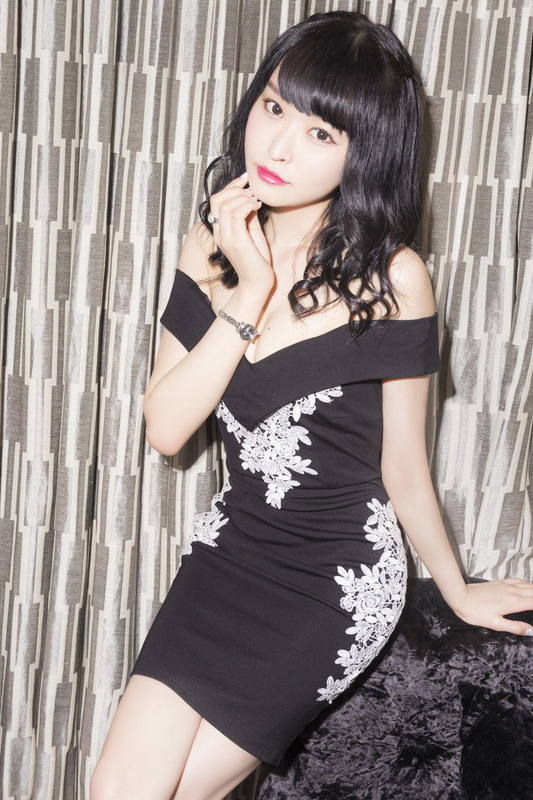
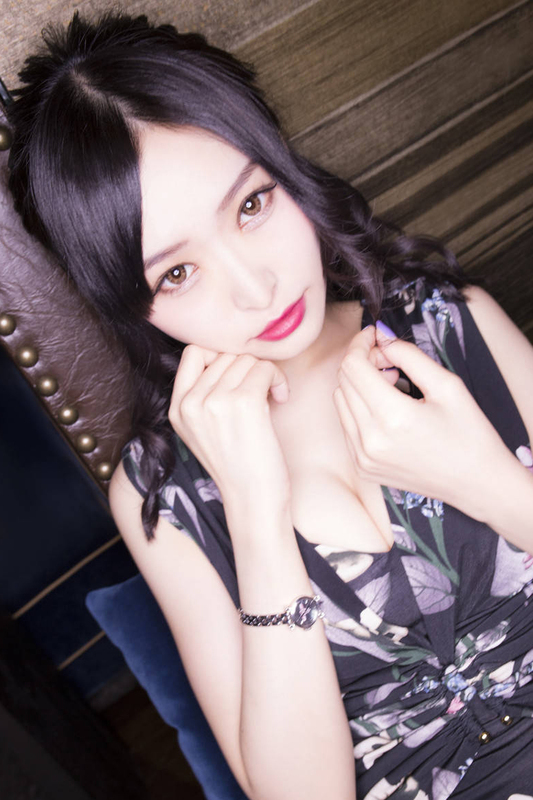
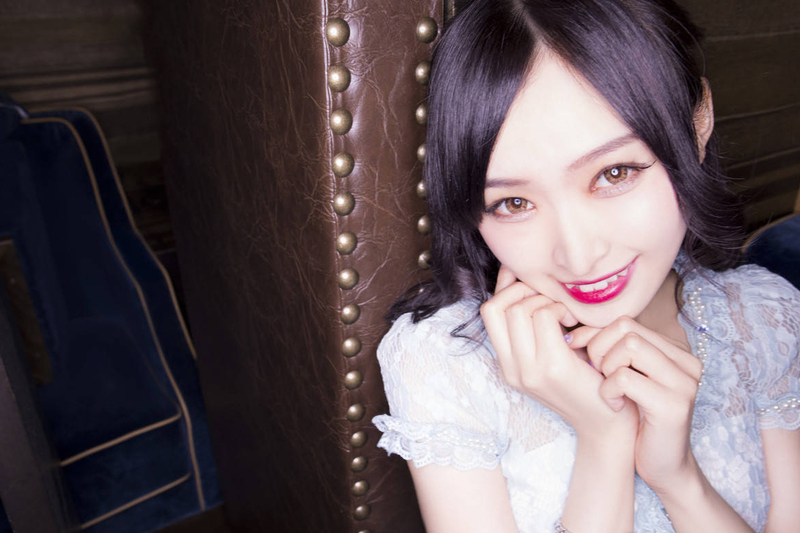
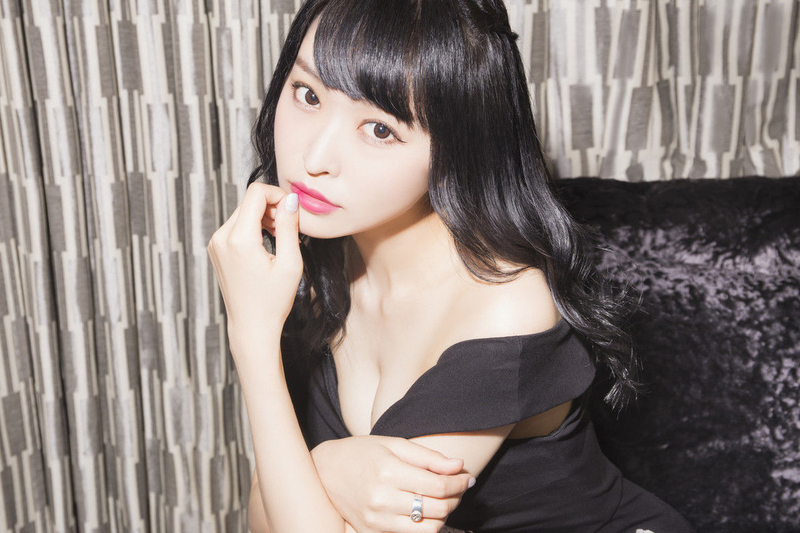
またもや『渋谷SEASIDE(シーサイド)』からオススメの女の子をご紹介!黒髪が美しい美少女《みさ》ちゃん!容姿端麗・可憐・艶やか・麗しいと言った言葉が似合う気品あふれる清楚系の女の子です。筆者はこの子を一目見た瞬間に「あ、ただ者じゃないな…」と直感(笑)!キャバ嬢としてはもちろん、若いながらも人としてもしっかりした【みさ】ちゃんにもうベタ惚れしてしまいました…(笑)
出典:ナイトスタイル
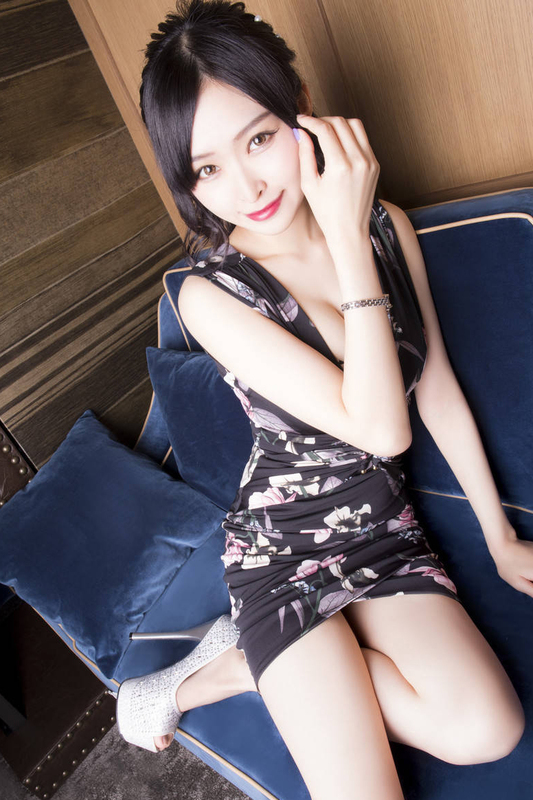
特技は歌とピアノという芸術的センスも兼ね備えていて、「顔も性格も良くて、さらには多才…。欠点なさすぎ…。」と思わずその場でつぶやいてしまいました!仕事でクタクタになった日でも、彼女に会うだけその日のストレスが浄化されていく気分になります。できることなら毎日でも会いたいほどです(笑)。あなたも彼女の溢れんばかりの魅力に癒されてみてはいかがでしょうか?
出典:ナイトスタイル
渋谷SEASIDE(シーサイド)の詳細情報
| 店名 | 渋谷SEASIDE(シーサイド) |
| 電話番号 | 03-3476-8755 |
| 営業時間 | 19:00~翌1:00 |
| 定休日 | 日曜 |
| 住所 | 東京都渋谷区宇田川町33-8 塚田ビル8F |
渋谷SEASIDE(シーサイド)へのアクセス
各線「渋谷駅」より徒歩3分
渋谷のオススメキャバクラ嬢12. 亜美【渋谷小町】

渋谷で輝くプリティーガール!
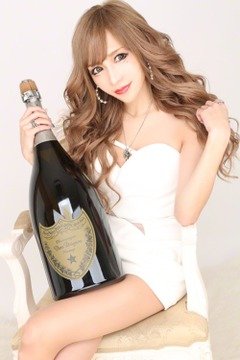
またもや、渋谷・道玄坂にある隠れ家的キャバクラ【渋谷小町】からオススメの女の子をご紹介!やっぱり良いお店には良い女の子がたくさんいるんだなぁ…、と筆者は痛感しています…(笑)さて、今回紹介する子の名前は【亜美】ちゃん!天女を思わせるようなバツグンのスタイルを持っており、凛とした顔立ちは男性の心をグッと掴んで離しません!
出典:渋谷小町
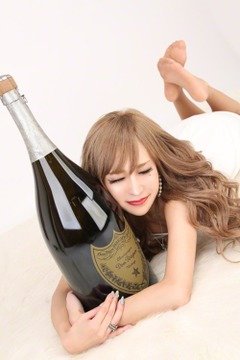
また男顔負けの飲みっぷりもこの子の魅力のひとつ。豪快にお酒を楽しむ姿は、見ていてとても清々しい気持ちにさせてくれます。一人でゆっくり飲みたい時、ワイワイと騒ぎたい時、ビジネスシーンでお店を使いたい時など、シチュエーションに合わせた接客をしてくれるので、いつ何時会いに行っても最高の思い出を作ることができますよ!彼女に会いたくなったらぜひ一度【渋谷小町】へ遊びに行ってみてください!
出典:渋谷小町
渋谷小町の詳細情報
| 店名 | 渋谷小町 |
| 電話番号 | 03-6455-3507 |
| 営業時間 | 20:30~翌1:00 |
| 定休日 | 年中無休 |
| 住所 | 東京都渋谷区道玄坂2丁目26-12 |
渋谷小町へのアクセス
各線「渋谷駅」より徒歩5分
渋谷のオススメキャバクラ嬢13. めぐ【CLUB REEL (リール)】
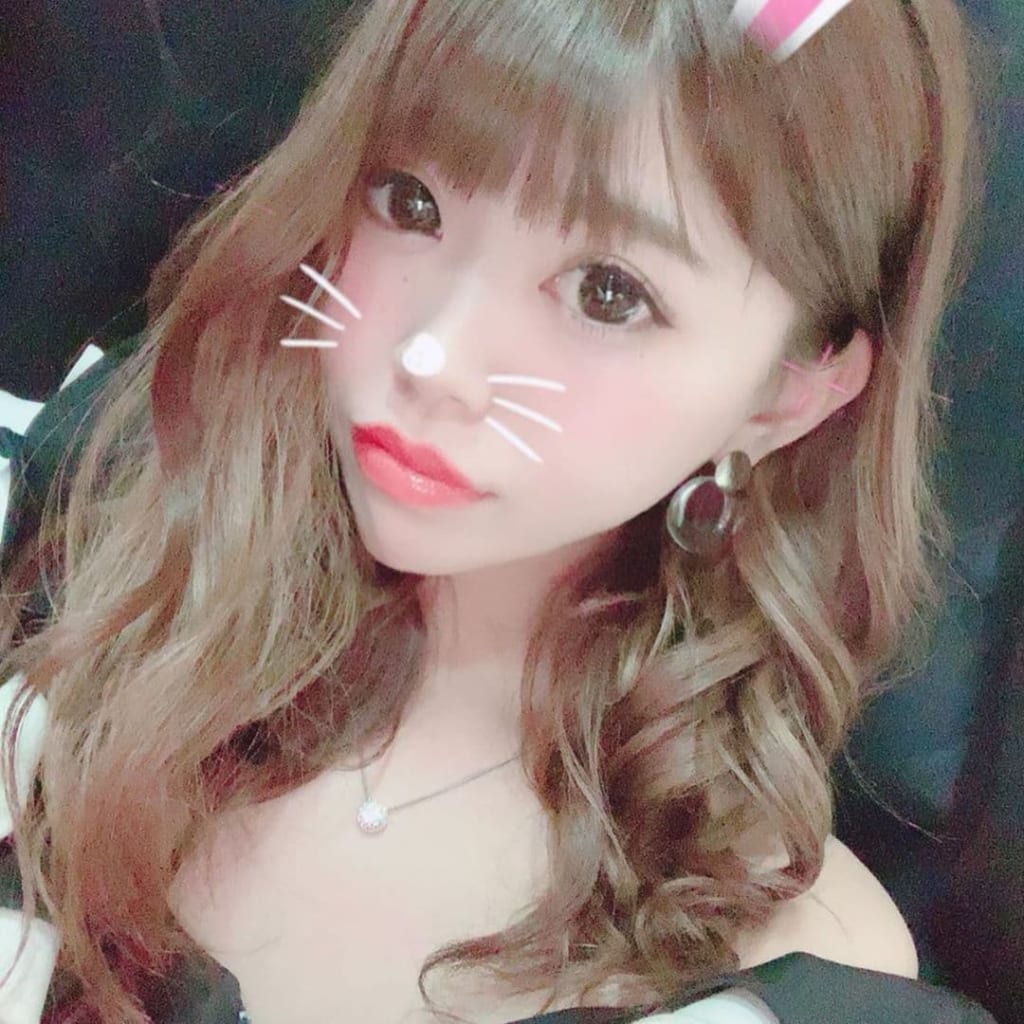
心からカワイイと思えた女性です!
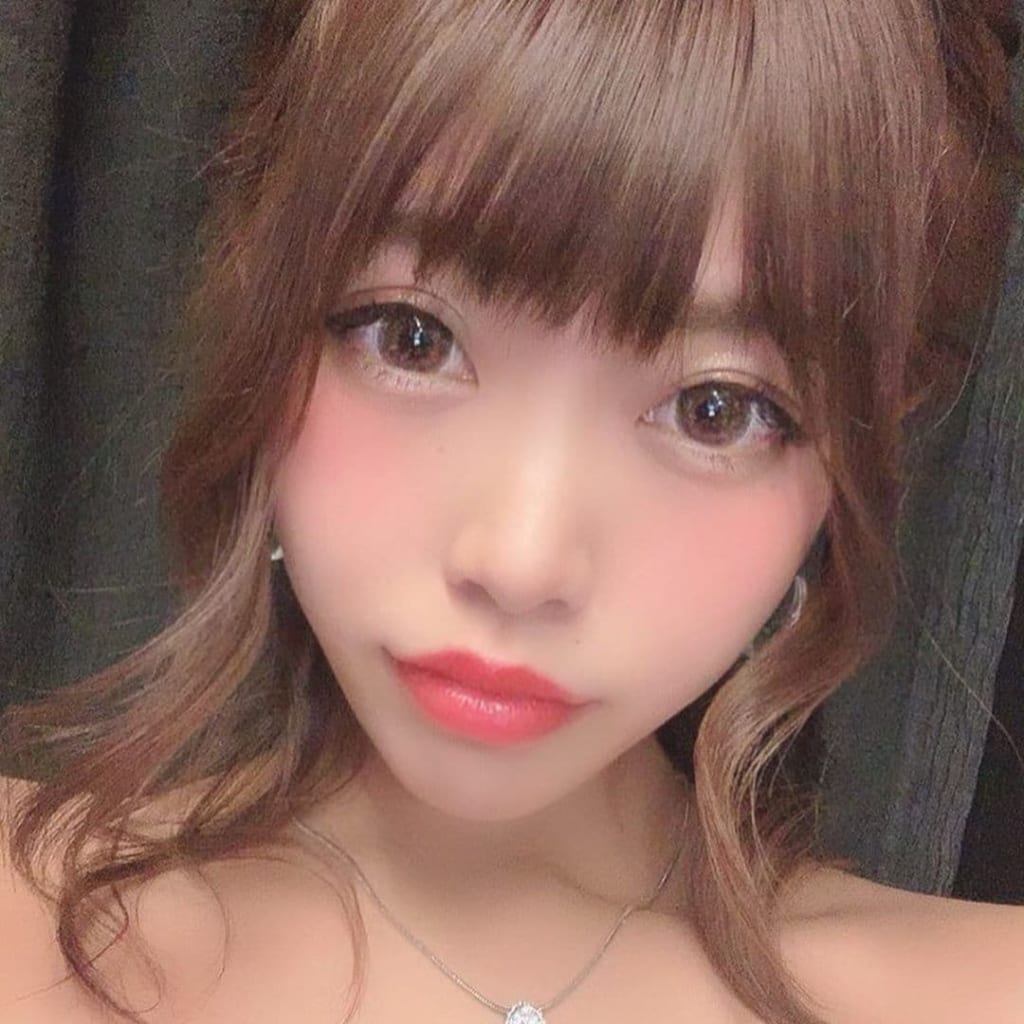
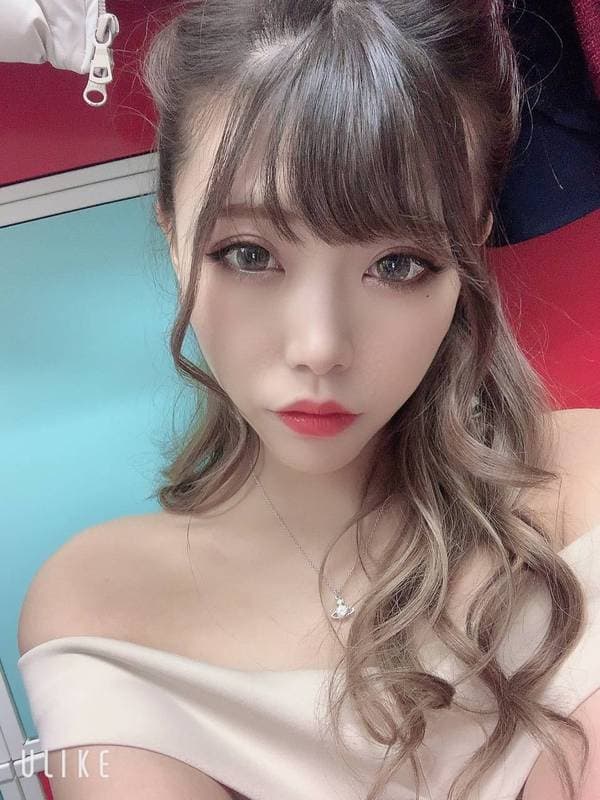
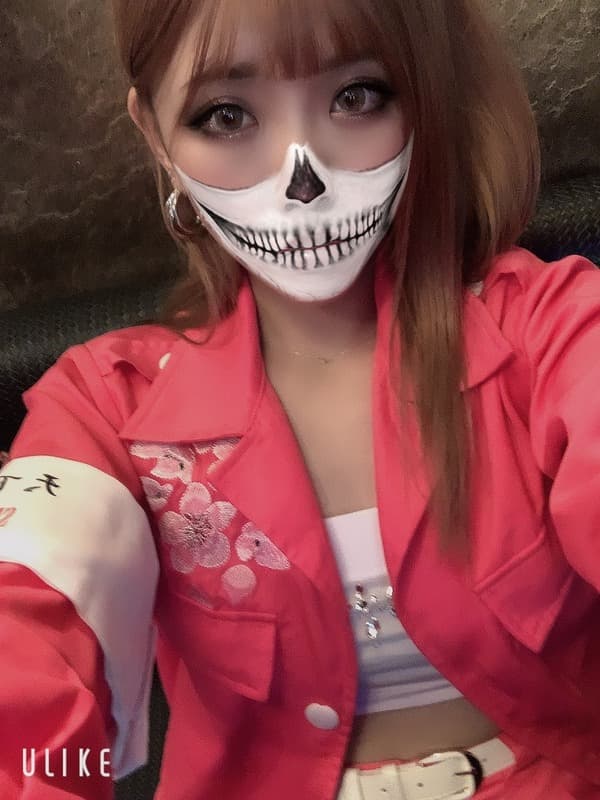
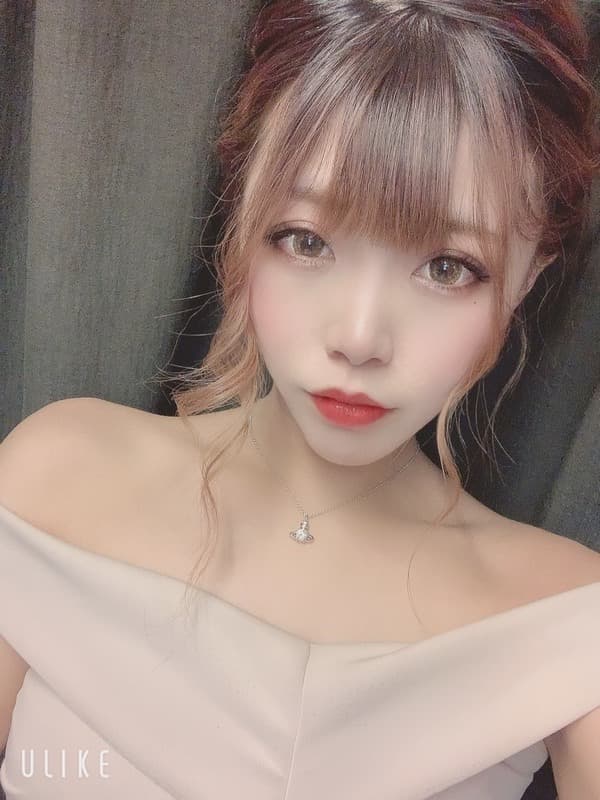
今勢いのあるキャバクラ『CLUB REEL(リール)』から今日は「めぐ」さんをご紹介。くりくりバンビアイの目とぷっくり美しい唇が魅力的です。ノリもめちゃくちゃよく、一緒にシャンパンをかけてプチゲームをしました。お互いに目を合わせて先に逸らしたら負けでしたが、筆者10秒でギブアップ。ですが、後悔はありません。彼女の瞳の中にい自分が写っているという事実だけで満足です。あとはめぐさんのいい所はその美しいヒップ。
出典:インスタ
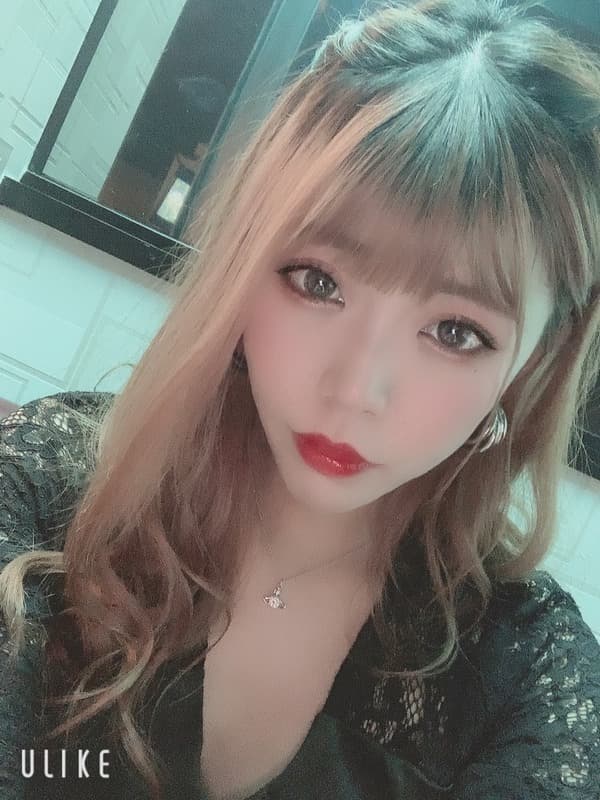
細い腰からのセクシーなボディラインに目が釘付け。「そんなに見ちゃヤだよ~」と言いながらも、しっかりと拝ませてもらいました(笑)モデルフェイスでありがら、アニメ・ゲーム・ドラマなど知識も話題も豊富。時間を忘れて楽しませてもらいました。飲んで!笑って!めぐさんとお話したくなったら、ぜひ!クラブリールへ足をお運びください。
出典:ナイトスタイル
CLUB REEL (リール)の詳細情報
| 店名 | CLUB REEL (リール) |
| 電話番号 | 03-6416-9227 |
| 営業時間 | 20:00~翌1:00 |
| 定休日 | 日曜 |
| 住所 | 東京都渋谷区恵比寿西1-7-13 日基ビルB1 |
| インスタ | CLUB REELをフォローする |
CLUB REEL (リール)へのアクセス
各線「渋谷駅」より徒歩5分
渋谷のオススメキャバクラ嬢14. あん【e-style(イースタイル)】

オトナの色香がたまらないアクティブ美女
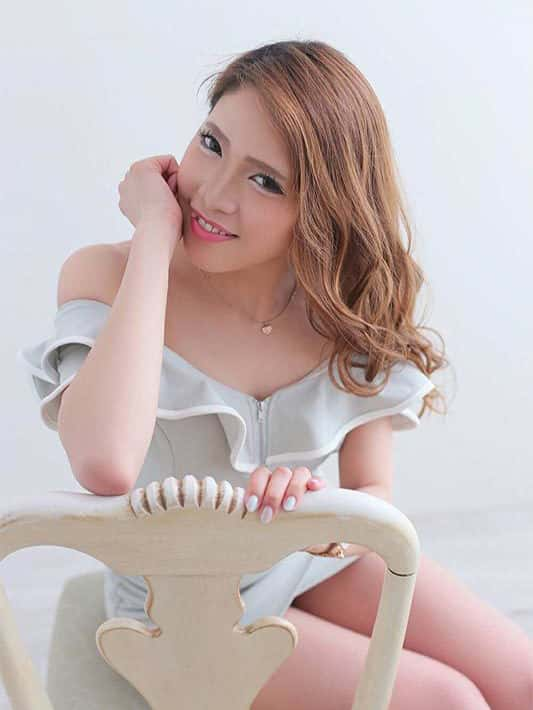
渋谷最大級の店内面積を誇る豪華絢爛なキャバクラ【e-style(イースタイル)】その華やかさを上回る美女が今回紹介する【あん】ちゃん!運動が大好きという彼女のしなやかなボディに釘付けになってしまいました!ランニングにハマっている筆者としては、健康的な女の子は大好きなんですよね(笑)性格もハツラツとしていて、とても爽やかな印象を受けました。この渋谷で色んな女の子と会ってきましたが、なかなかいない貴重なタイプの子ですね。楽しいことは何でも好きになれるという好奇心旺盛な【あん】ちゃん。
出典:きゃばきゃば
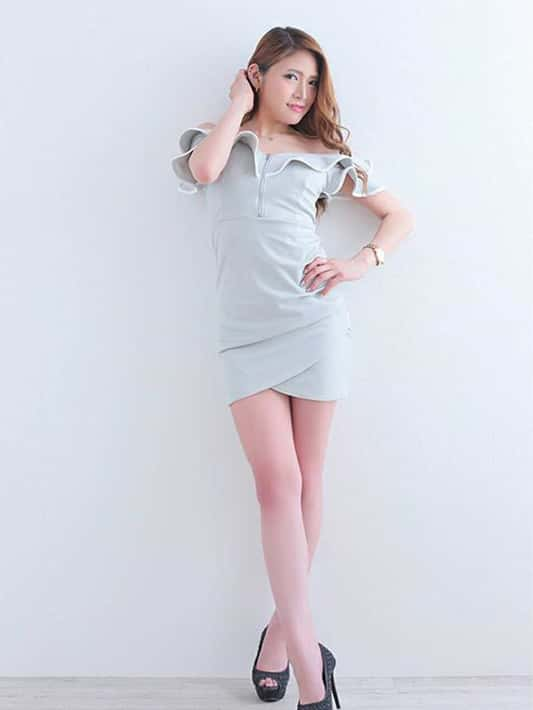
筆者のオタクじみた趣味にも興味津々な様子で食いついてくれました。本当に気持ちの良い接客でお酒が何倍も美味しかった!そうそう、彼女はお酒も大好きらしく飲まれないように要注意です(笑)筆者も珍しく飲み過ぎてしまいました!そんな盛り上がっている時にも細やかな気遣いができる彼女にすっかり夢中に!ルックスのみならず魅力満点な【あん】ちゃんにあなたも骨抜きにされてみてはどうでしょうか?
出典:きゃばきゃば
e-style(イースタイル)の詳細情報
| 店名 | e-style(イースタイル) |
| 電話番号 | 03-5459-9229 |
| 営業時間 | 20:00~翌1:00 |
| 定休日 | 日曜 |
| 住所 | 東京都渋谷区宇田川町26-4 Lu82ビル 6F |
e-style(イースタイル)へのアクセス
各線「渋谷駅」より徒歩5分
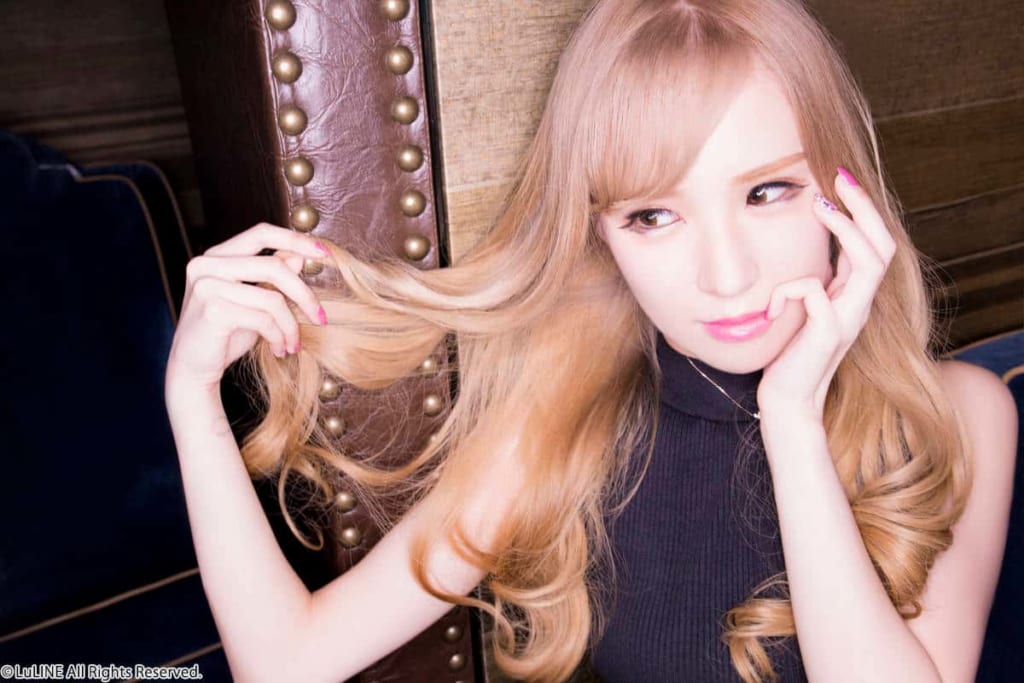
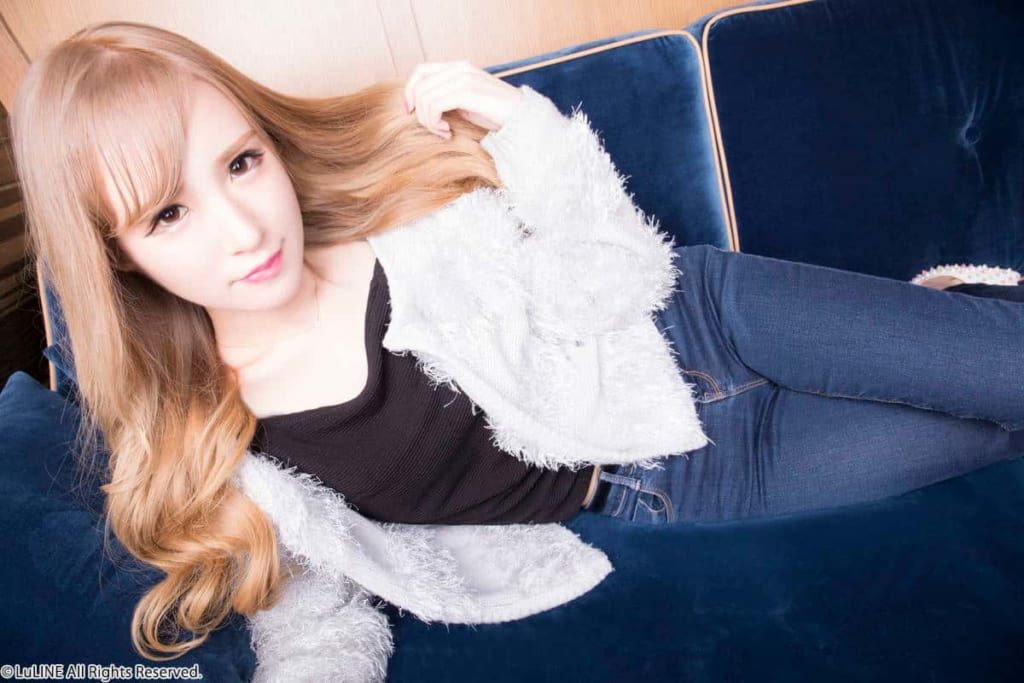
渋谷のオススメキャバクラ嬢15. 酒 クレア【渋谷SEASIDE(シーサイド)】
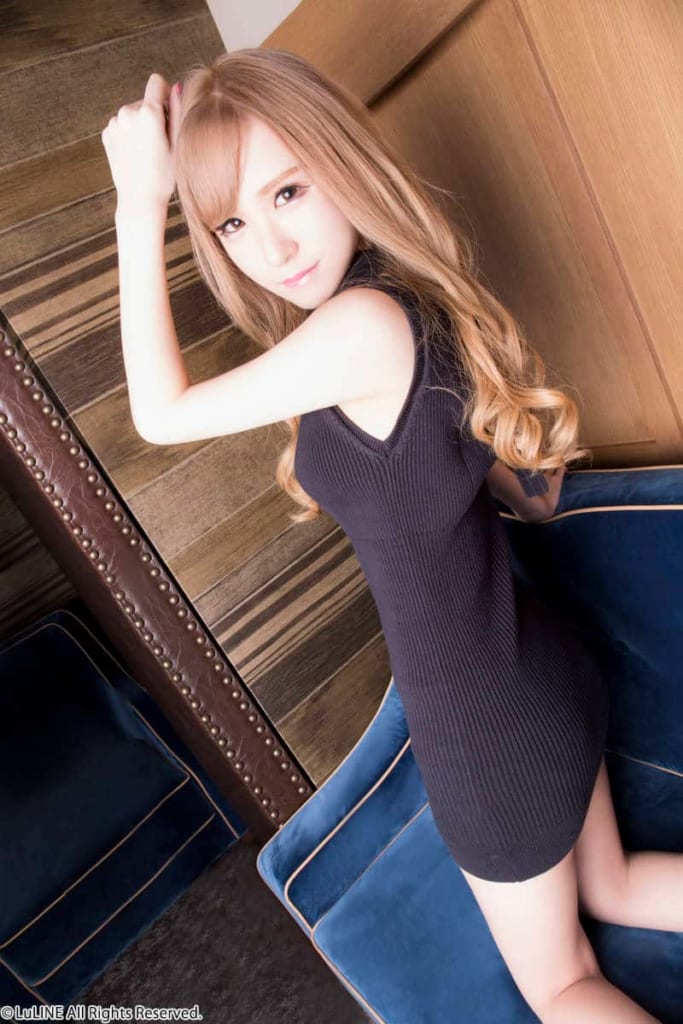
可憐なスレンダーガール
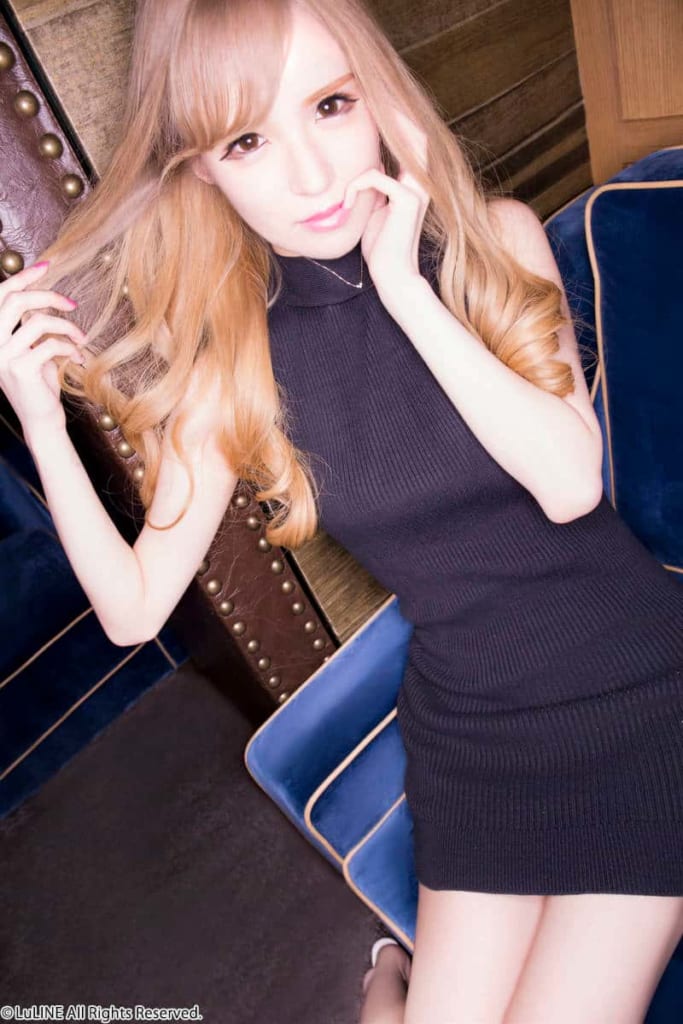
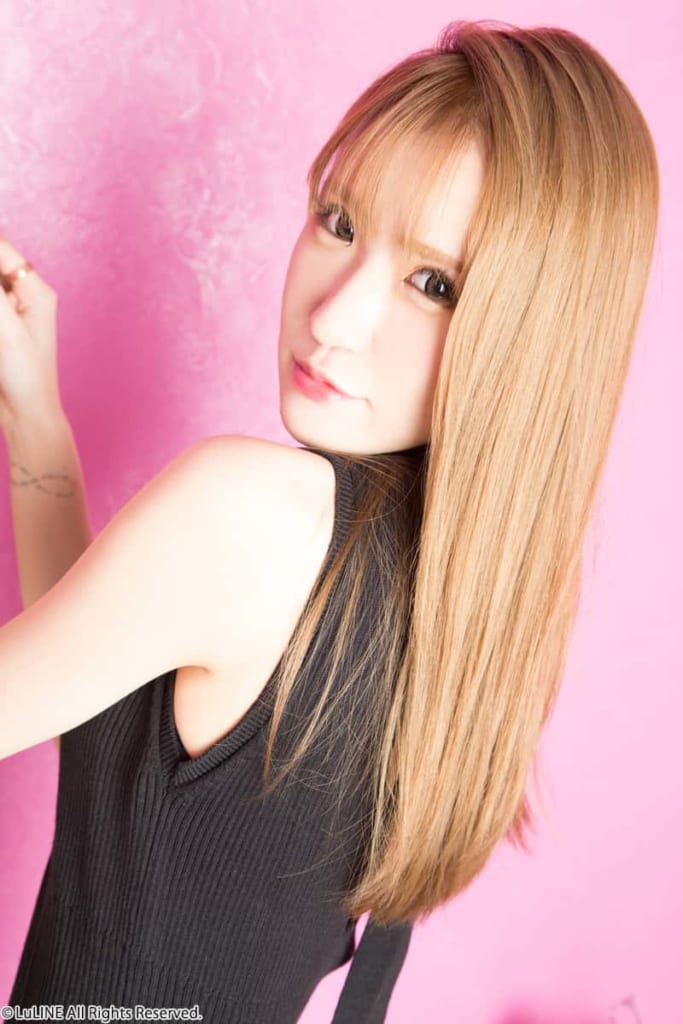
渋谷のキャバクラと言えば外せない【渋谷シーサイド】でこれまた逸材の美少女を見つけました!【酒 クレア】ちゃんです!モデルさんの様な抜群のスタイルと艶やかなブロンドの髪が人の視線を惹きつける女の子。パッと見は派手な印象も持たれがちだそう。でも彼女は天然さん(?)なのか喋り口調までのんびりしていて癒し系そのもの。こういうタイプの女の子は狙わずにナチュラルに甘え上手だったりするんですよね(笑)
出典:ルライン
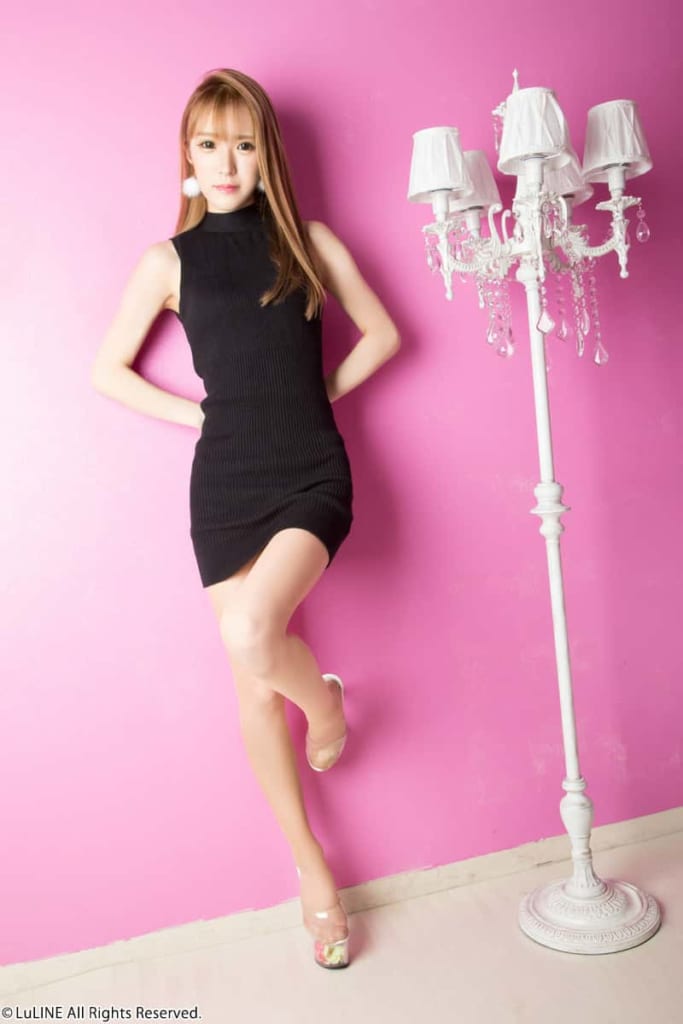
筆者もすっかりクレアちゃんのペースの波に一緒に乗ってしまいました。疲れた日にはより染みわたる包容力のある雰囲気にこちらも甘えたくなっちゃいますよ(笑)しかも筆者のとりとめのない話にも視線を合わせながら可愛く相づちを打ってくれる…。これはお喋りが止まりません!いつも以上に話し込んでしまいました。雰囲気とは裏腹にお酒も美味しそうに飲む姿に、普通に一緒にご飯に行きたくなります(笑)こんな癒し系の子にはなかなか出会えないかも!?
出典:ルライン
口コミ
落ち着きのある雰囲気で可愛い子とお話しできるので、寛ぎたい時には通っています!(男性・26歳)
渋谷キャバクラの口コミ【夜遊びショコラ】
渋谷SEASIDEの詳細情報
| 店名 | 渋谷SEASIDE |
| 電話番号 | 03-3476-8755 |
| 営業時間 | 19:00~翌1:00 |
| 定休日 | 日曜 |
| 住所 | 東京都渋谷区宇田川町33-8 塚田ビル 8F |
渋谷SEASIDEへのアクセス
各線「渋谷駅」より徒歩4分
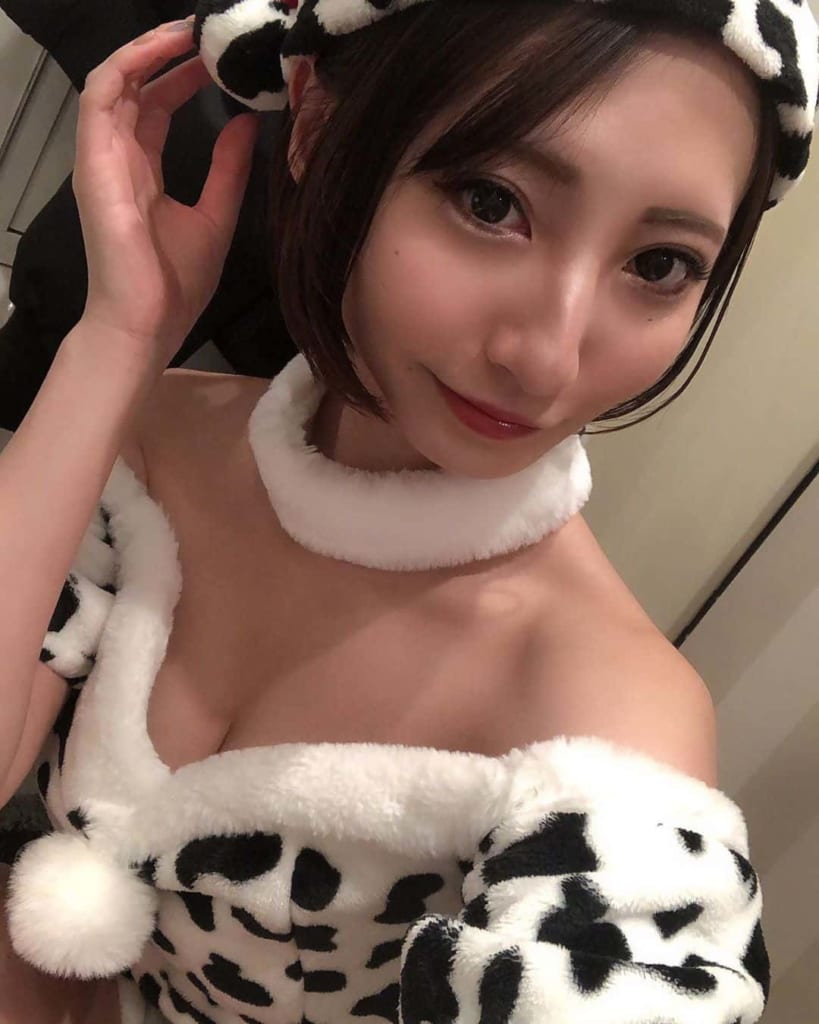
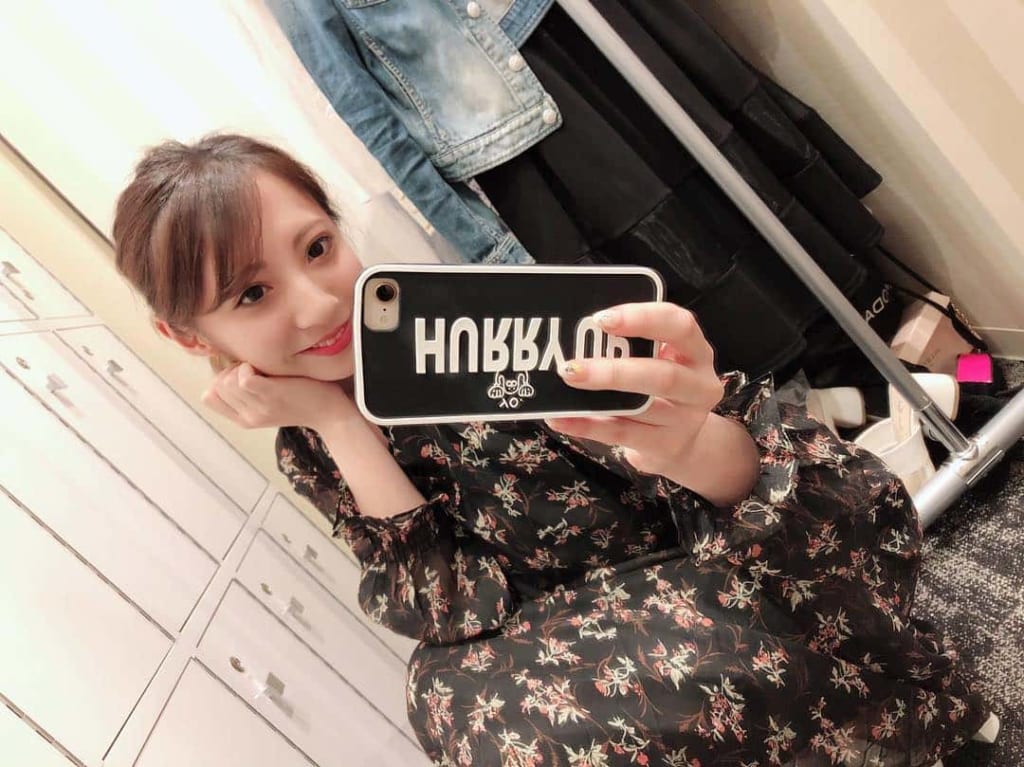
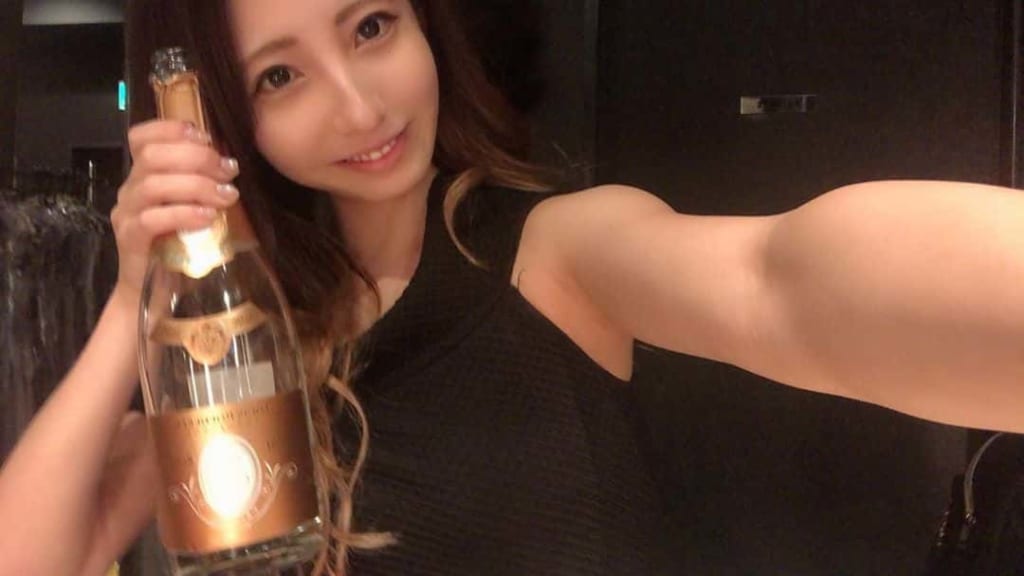
渋谷のオススメキャバクラ嬢16. はるな【渋谷SEASIDE(シーサイド)】
神がかり的ナチュラルビューティー美女
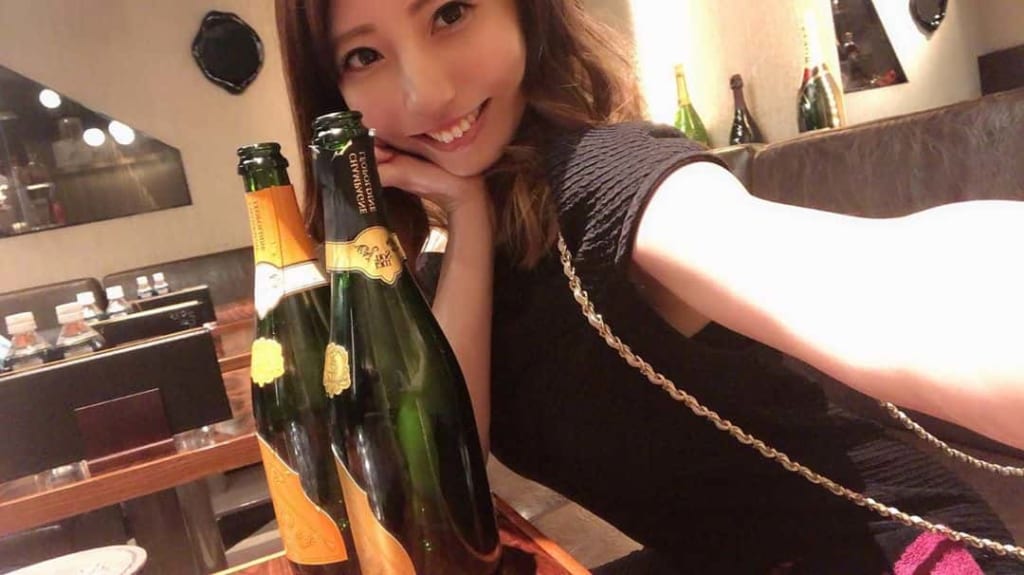
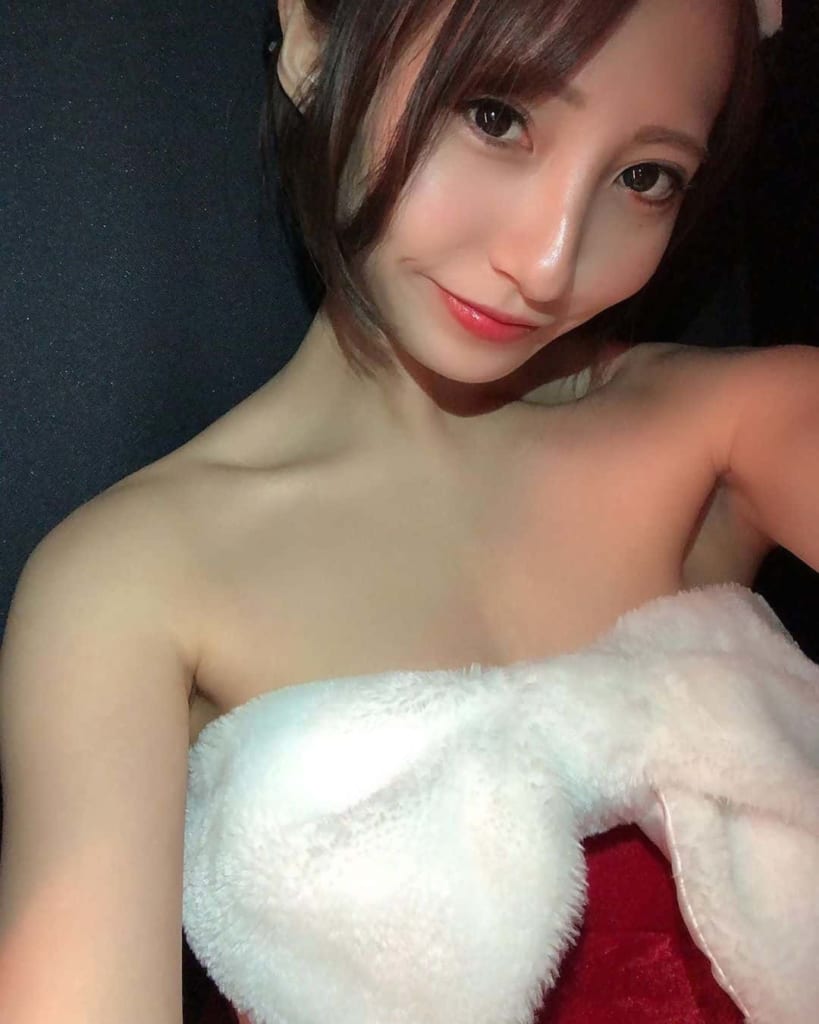
渋谷エリアの名物店【渋谷シーサイド】からまたまたご紹介!このお店ってホントに可愛い子が大集結すぎて困っちゃいますね~。さて今日は《はるな》ちゃんのターン!圧倒的な透明感とナチュラルさが筆者は大好きです(笑)!まるで天使、いや天女と呼ぶのが相応しい…。特別派手なメイクをしていなくても元が天才的に可愛いんですよね。それでいてとってもフレンドリーで筆者のような男もついつい調子に乗ってしまいます…。気分で髪型を変えることもあり、ボブヘアからロングヘアと色んな姿を見せてくれるんです。
出典:インスタ
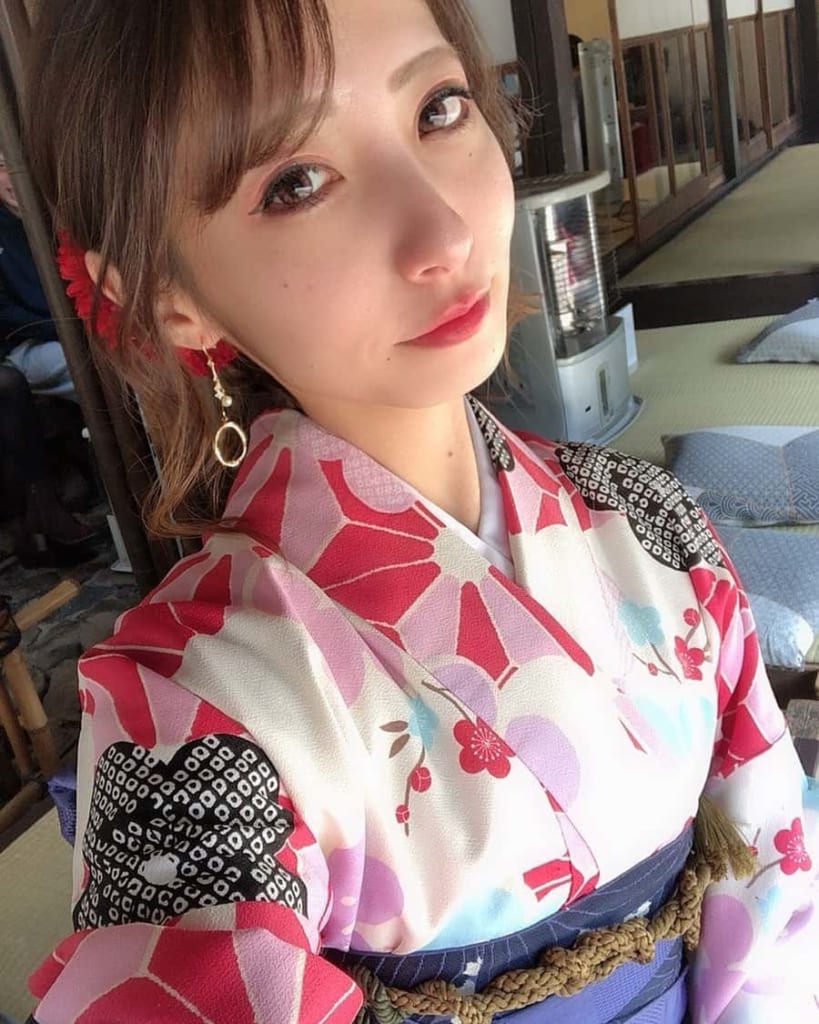
はるなちゃん本人のただの気分転換なのか、ギャップ堕ちさせるためなのでしょうか?実は天然の人たらしだったりするのか(笑)!だから何回会っても飽きるどころか、ますますハマってしまいますよ。「沼」というより「聖なる泉」!?お喋りも話を聞くのも上手な《はるな》ちゃんとの時間は最高の一言に尽きます!あなたも【渋谷シーサイド】で遊ぶなら《はるな》ちゃんにぜひ会ってみてくださいね!
出典:インスタ
渋谷SEASIDEの詳細情報
| 店名 | 渋谷SEASIDE(シーサイド) |
| 電話番号 | 03-3476-8755 |
| 営業時間 | 19:00~翌1:00 |
| 定休日 | 日曜 |
| 住所 | 東京都渋谷区宇田川町33-8 塚田ビル 8F |
渋谷SEASIDEへのアクセス
各線「渋谷駅」より徒歩4分
渋谷のオススメキャバクラ嬢17. リオン【渋谷SEASIDE(シーサイド)】
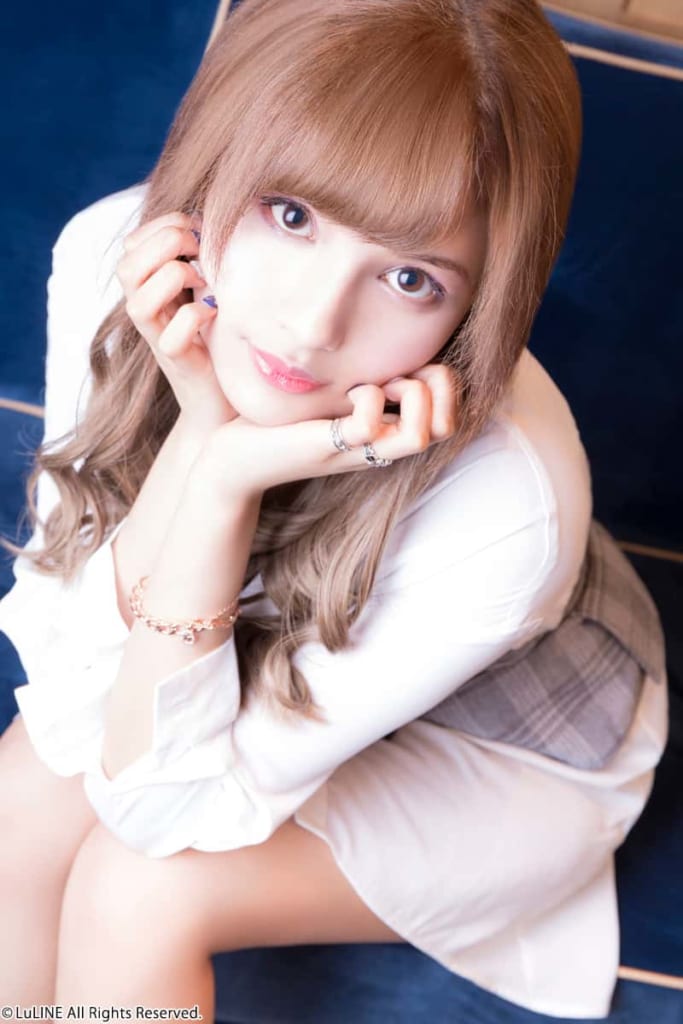
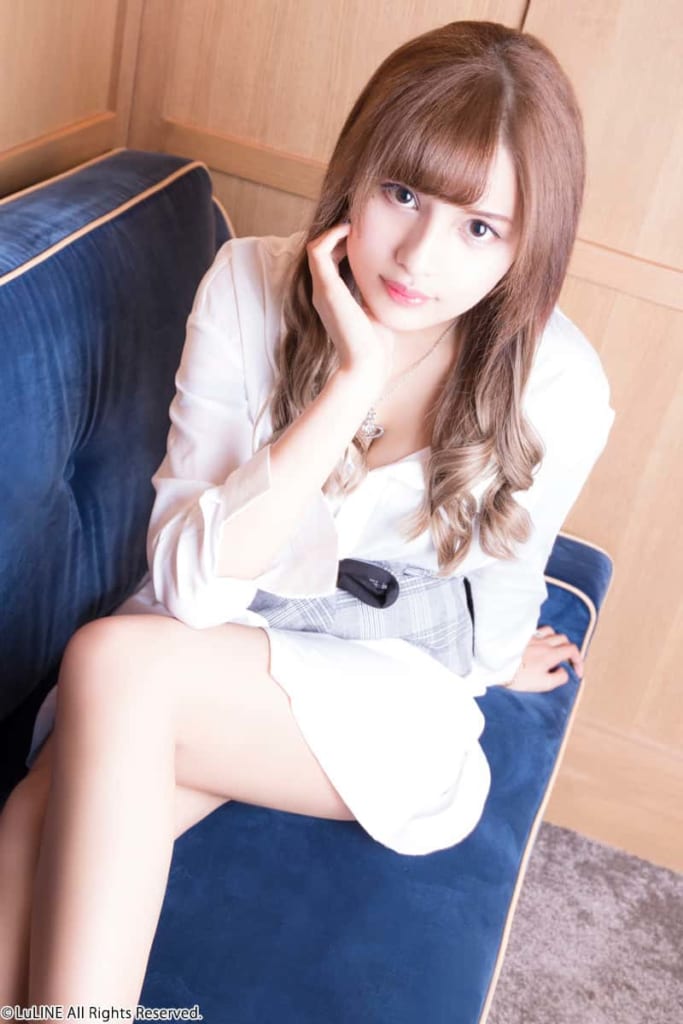
癒し系ナンバー1!?人気急上昇中のモデル美女!
金メダル級の女の子の宝箱【渋谷SEASIDE】から再びのご紹介!今回は【リオン】ちゃんです!スラリと伸びる長い御御足と日本人離れしたエキゾチックな顔立ちはまるで海外モデルさん!だけどとってもフレンドリーで透明感溢れる癒し系代表のような女の子なんです。くりくりした無垢な瞳で見つめられた日には思わず昇天してしまうんじゃないかと焦りました(笑)それくらいピュアなオーラをバンバン放つ彼女。
出典:ルライン
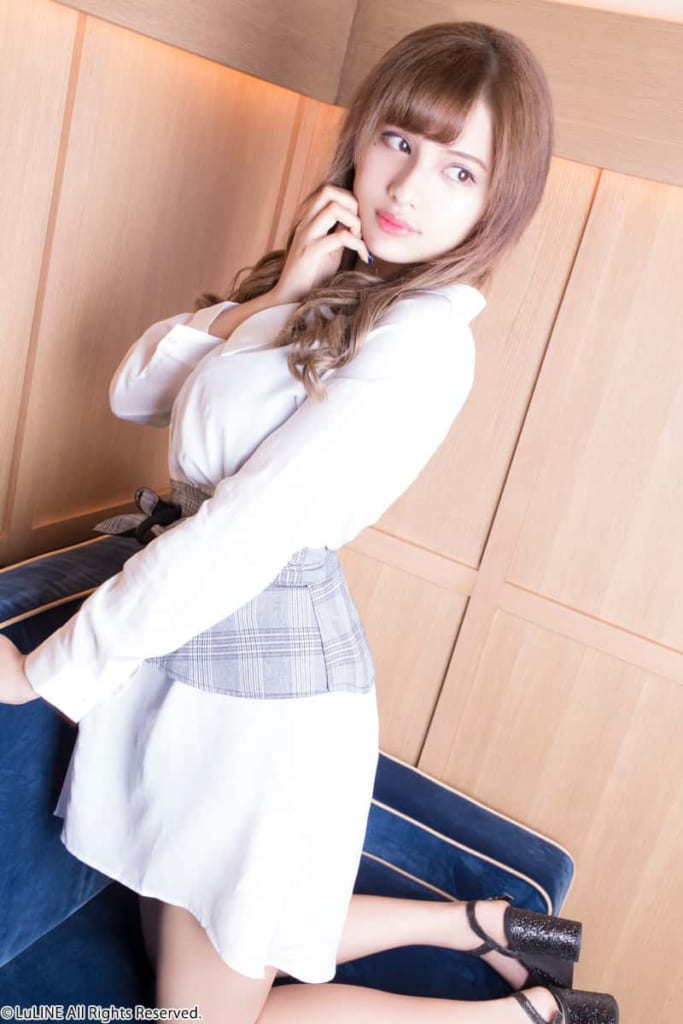
一緒に飲んでいる時間はまるでマイナスイオンに包まれているかの如く心が浄化されます。普段仕事に家庭に気の休まるところがなくツライ男性もリオンちゃんに癒してもらいましょう…(笑)そんなフワフワした雰囲気でありながら、マシュマロのように柔らかそうな胸元を見た瞬間ノックアウト!このギャップは鬼です!接客や話し方も良い意味でキャバ嬢ぽくない、リオンちゃん。「これまでとは違う女の子と飲みたいな」なんて方にもぜひ会ってみてほしい女の子です!
出典:ルライン
渋谷SEASIDEの詳細情報
| 店名 | 渋谷SEASIDE |
| 電話番号 | 03-3476-8755 |
| 営業時間 | 19:00~翌1:00 |
| 定休日 | 日曜 |
| 住所 | 東京都渋谷区宇田川町33-8 塚田ビル 8F |
渋谷SEASIDEへのアクセス
各線「渋谷駅」より徒歩4分
渋谷のオススメキャバクラ嬢18. さや【e-style(イースタイル)】
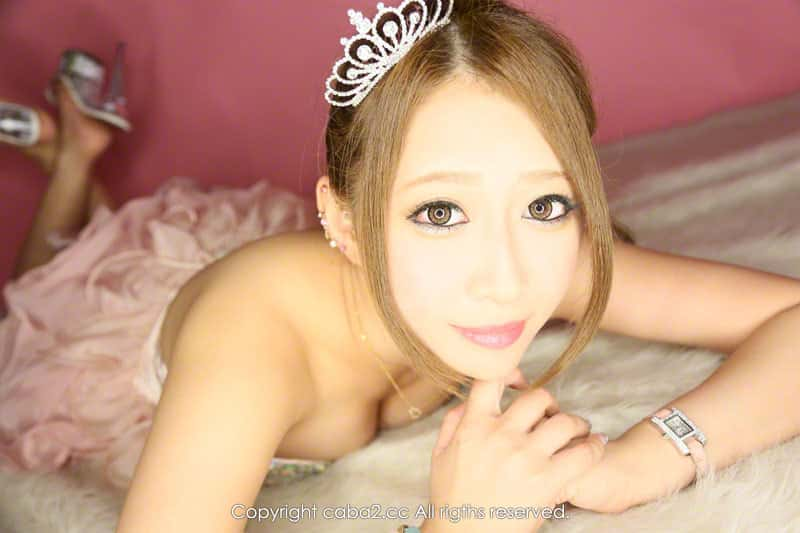
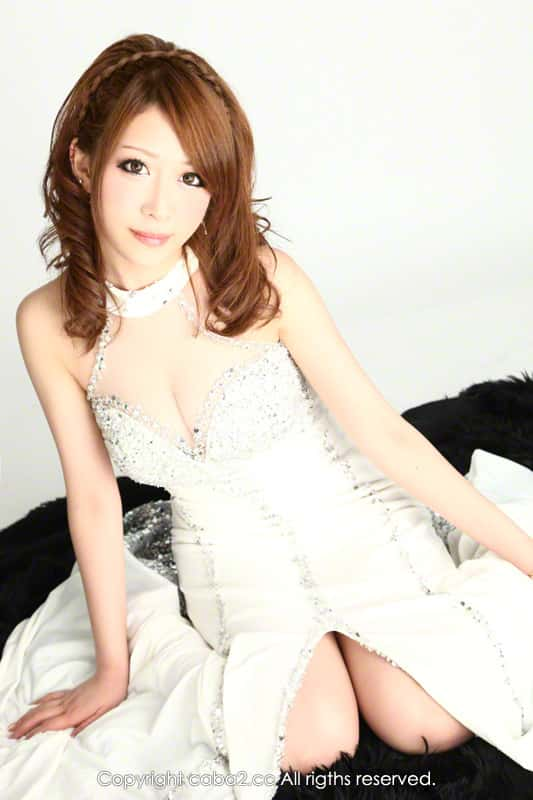
元気&キュートな笑顔に全ての男性は虜!
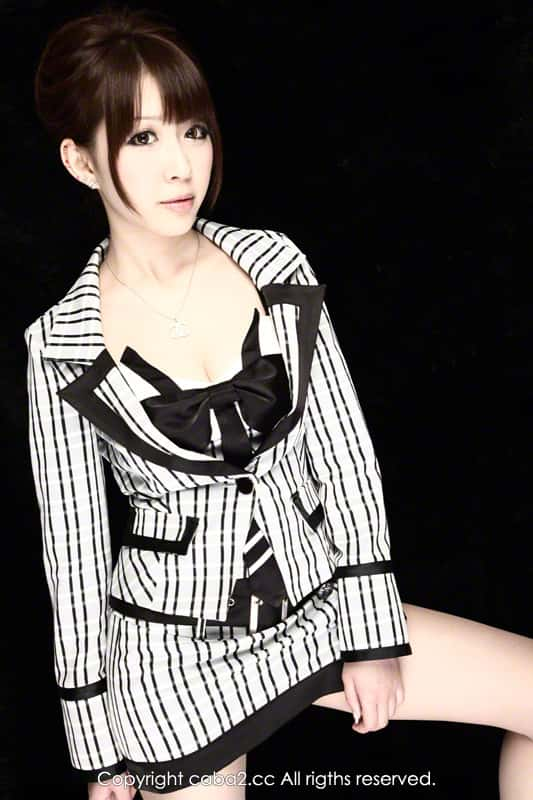
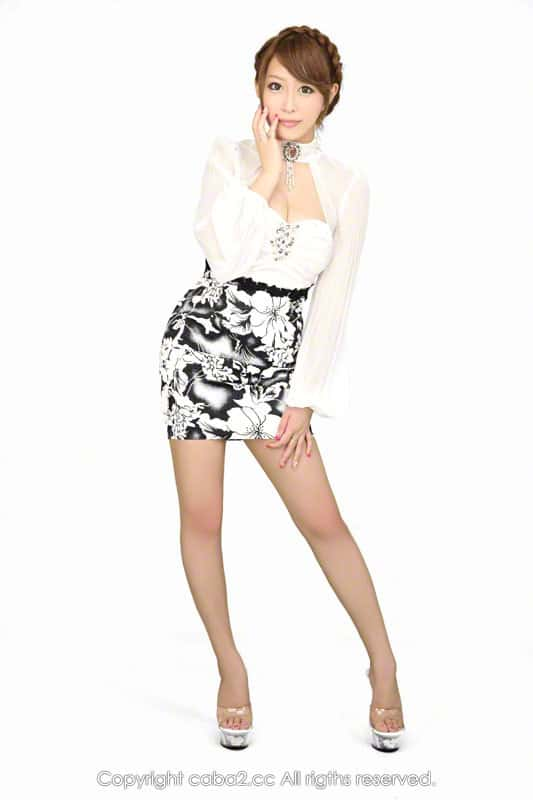
渋谷エリアでも最大級のフロア面積数を誇る大型人気キャバクラ「e-style(イースタイル)」。トップクラスなのは、店内の広さだけではありません。こちらのお店に在籍しているのはモデル級のプロポーションを持った絶世の美女たち!中でも【さや】ちゃんは、そのギャルっぽい見た目が筆者の好みにドンピシャで今めちゃめちゃ注目している女の子です。
出典:きゃばきゃば

明るい元気な性格で場を盛り上げてくれるほか、丁寧な接客で最後まで気持ちよく過ごすことができますよ。大きなクリクリの瞳にニコッと笑った時の天使のような笑顔…。正直、彼女が横にいるだけでドキドキが止まりません…。唯一惜しいと思うことは、楽しすぎて時間があっという間に過ぎてしまうことですかね…(笑)これほど魅力的な【さや】ちゃんに、少しでも会いたいと思った方はぜひ「e-style(イースタイル)」へ!
出典:きゃばきゃば
e-style(イースタイル)の詳細情報
| 店名 | e-style(イースタイル) |
| 電話番号 | 03-5459-9229 |
| 営業時間 | 20:00~翌1:00 |
| 定休日 | 日曜 |
| 住所 | 東京都渋谷区宇田川町26-4 Lu82ビル 6F |
e-style(イースタイル)へのアクセス
各線「渋谷駅」より徒歩5分
渋谷のオススメキャバクラ嬢19. みつき【e-style(イースタイル)】

艶やかな鋭いオーラを纏う極上の美女!
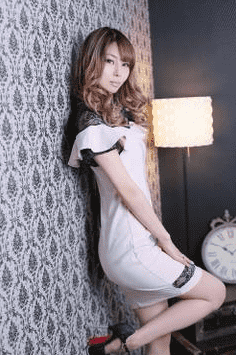
渋谷で飲むところに迷ったら、キャバクラ【e-style(イースタイル)】に行けば間違いなし!そう豪語できる理由は店内の綺麗さだけではなく、可愛い女の子がたくさんいるから!今回は筆者お気に入りの子の中でも魅力的なオーラを放つオトナ美女【みつき】ちゃんをご紹介したいと思います。端麗で整った顔立ちは、虜にした男性を離すことはありません。前職も夜のお店で働いていたこともあり、接客スキルはお墨付き。
出典:ナイツネット

細かなところにまで気を利かしてくれるところに筆者は毎回キュンっとしてしまいます。正直彼女となら毎日でも飽きずに話すことができますね(笑)カニが好きという情報を聞いてから、「いつかみつきちゃんに何杯でも奢ってあげられるような男になりたい!」なんてことを思いながら日々の仕事を頑張っている時期もありました(笑)ぜひあなたも彼女の魅力に引き込まれてくださいね。
出典:ナイツネット


e-style(イースタイル)の詳細情報
| 店名 | e-style(イースタイル) |
| 電話番号 | 03-5459-9229 |
| 営業時間 | 20:00~翌1:00 |
| 定休日 | 日曜 |
| 住所 | 東京都渋谷区宇田川町26-4 Lu82ビル 6F |
e-style(イースタイル)へのアクセス
各線「渋谷駅」より徒歩5分
渋谷のオススメキャバクラ嬢20. えみり【CLUB REEL(リール)】

国宝級美女があなたを待っている!
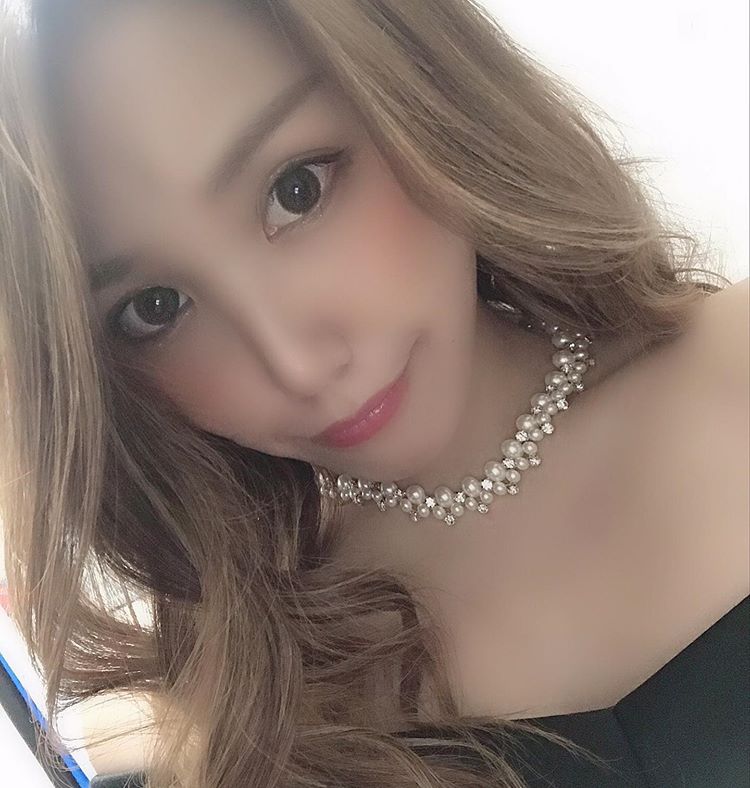
渋谷で飲むところに迷ったら、キャバクラ【e-style(イースタイル)】に行けば間違いなし!そう恵比寿・渋谷エリアで人気の隠れ家キャバクラ【CLUB REEL】ラグジュアリー感とレベルの高い女の子たちとの優雅なひと時が楽しめるお店です!そんな【CLUB REEL】随一の美女が《えみり》ちゃん!とにかく顔がタイプすぎます。初めて会った瞬間、一発ノックアウトでした!どの男性もこの色気と可愛さを兼ね備えたルックスは絶対に好きなはず。この子に会わないなんて人生損しちゃうかもしれませんよ(笑)
出典:ナイトスタイル
しかも一緒に飲んでいてとっても楽しい女の子です!「そりゃキャバクラなんだから楽しいに決まってるでしょ」なんて思われるかもしれませんが、今まで以上に喋って笑って盛り上がった気がします(笑)こんなに綺麗なのに言動が面白くて個性に溢れた女の子なんです。見ているだけでも目と心の保養になるのに、その上思いっきり楽しませてくれるサービス精神の高さには脱帽!あなたもぜひ実際に遊びに行ってみてください!いつでも太陽みたいな笑顔で待ってくれていますよ!
口コミ
隠れ家的なキャバクラということもあり、一人で飲みたい時にはこっそりと遊びに行っています。(男性・30歳)
渋谷キャバクラの口コミ【夜遊びショコラ】
CLUB REEL(リール)の詳細情報
| 店名 | CLUB REEL(リール) |
| 電話番号 | 03-6416-9227 |
| 営業時間 | 20:00~翌1:00 |
| 定休日 | 日曜 |
| 住所 | 東京都渋谷区恵比寿西1-7-13 日基ビルB1 |
CLUB REEL(リール)へのアクセス
山手線 恵比寿駅より徒歩数分
渋谷のオススメキャバクラ嬢21. 櫻葉美萌【CLUB RAFTEL(ラフテル)】

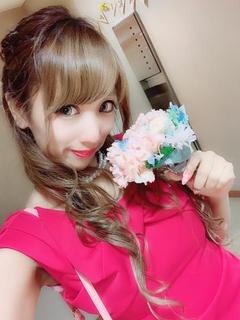
心はいつでも常夏・ココナッツ!
『CLUB RAFTEL(ラフテル)』のトロピカルガールを今日はご紹介させてください!【櫻葉美萌】ちゃんです!「元気!明るい!カワイイ!」の三拍子が揃った天使のような子だから、お店で会えるだけで本当にテンションが爆上げしちゃうんです!ちょっとぐらいのおねだりだったら、全然OK!シャンパンが似合う美萌ちゃんの前でモエシャンは3本までなら頑張ります。笑顔で嬉しい!って言われたら、追加で頼んじゃうかも(笑)
出典:ナイトスタイル
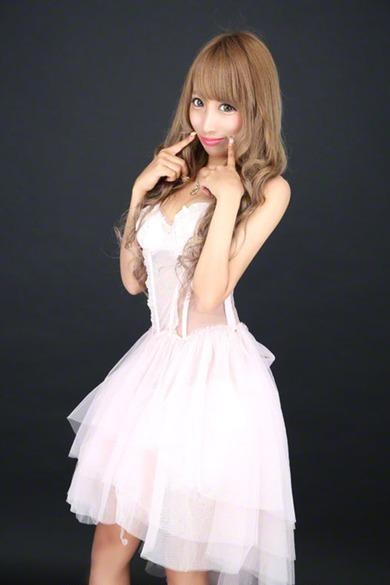
彼女のメロメロモーションを受けたら、男ならみんな骨抜きになっちゃって当たり前です。いつもは陽気な彼女の筆者が落ち込んでいる時はそっと静かに話を聞いてくれるのも嬉しかった。そういう、メリハリを付けてくれる点もやっぱり、好きになっちゃう理由の一つなんでしょうね。もちろん、グチを聞き終わったら、どんちゃん騒ぎ!スカッとストレス解消して、次の日も頑張ろうって思えるんです。また、そろそろ美萌ちゃんに活を入れて貰いにいこうかな。
出典:ナイトスタイル
CLUB RAFTEL(ラフテル)の詳細情報
| 店名 | CLUB RAFTEL(ラフテル) |
| 電話番号 | 03-6427-8179 |
| 営業時間 | 20:00~翌1:00 |
| 定休日 | 年中無休 |
| 住所 | 東京都渋谷区道玄坂2-10-10 世界堂ビル2F AB |
CLUB RAFTEL(ラフテル)へのアクセス
渋谷駅 徒歩1分
渋谷のオススメキャバクラ嬢22. 橘 珠南【Barneys(バーニーズ)】
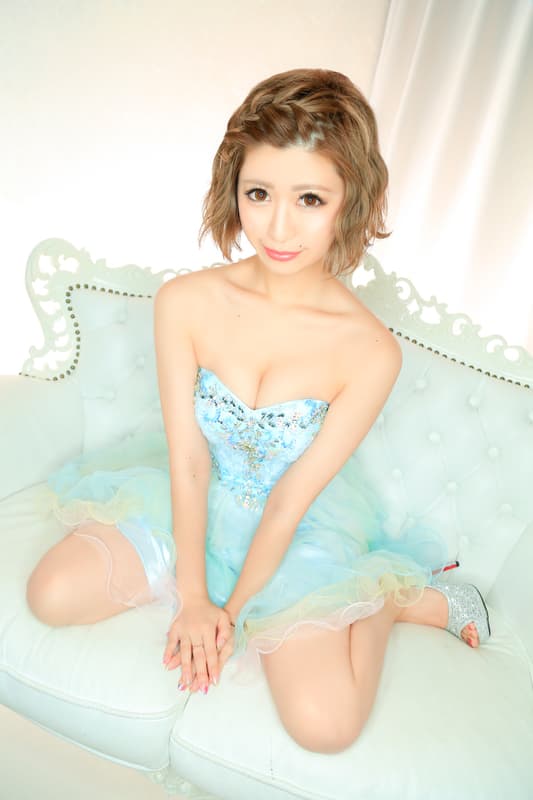
まるでモデル!?ノリノリ&キュート美女!
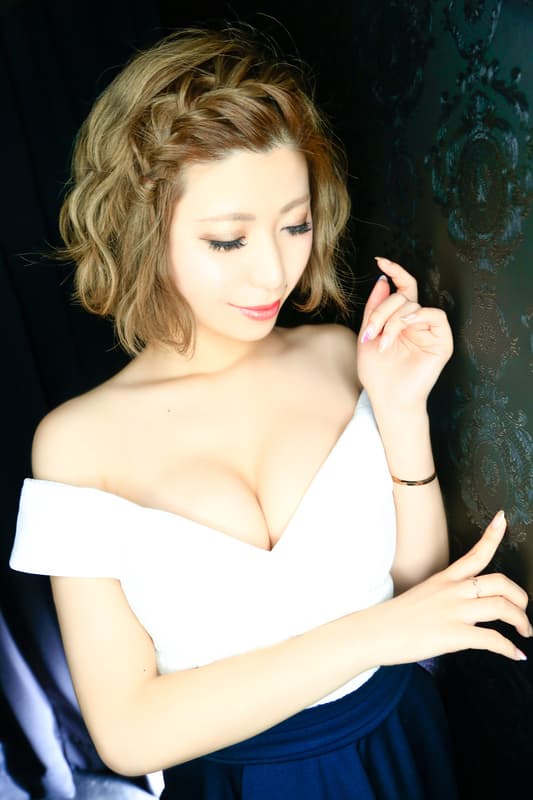
「渋谷で超絶可愛い女の子と飲める」と評判のキャバクラ【Barneys】!今まで紹介してきたように、本当にたくさんの女の子がいるお店ですが「大人っぽい雰囲気の女性が好き」という方は、【橘 珠南】ちゃんをオススメします。艶やかかつ明るい雰囲気が魅力で、何より口元のホクロがとってもセクシー!彼女と一緒にいると、自然に視線が口に行ってしまうのですが、唇がとってもプルプルで思わずドキドキしてしまいます(笑)
出典:ナイトスタイル
もちろん、ハイレベルなのはルックスだけではありません。かなりノリの良い子なので、楽しくお酒を飲みたい時に【珠南】ちゃんがいれば、大盛り上がり間違いなし!気遣いもしっかり行き届いているし、どんな男性でも最後まで気持ちの良い時間を過すことができると思いますよ。ぜひあなたも彼女の魅力にドップリとハマってみてください。きっと抜け出せなくなりますよ(笑)
BARNEYS(バーニーズトーキョー)の詳細情報
| 店名 | BARNEYS TOKYO (バーニーズトーキョー) |
| 電話番号 | 03-3462-9955 |
| 営業時間 | 20:00~翌1:00 |
| 定休日 | 日曜 |
| 住所 | 東京都渋谷区道玄坂2丁目10−10 世界堂ビル 2FC |
BARNEYS(バーニーズトーキョー)へのアクセス
渋谷駅より徒歩3分
渋谷のオススメキャバクラ嬢23. かんな【渋谷SEASIDE(シーサイド)】
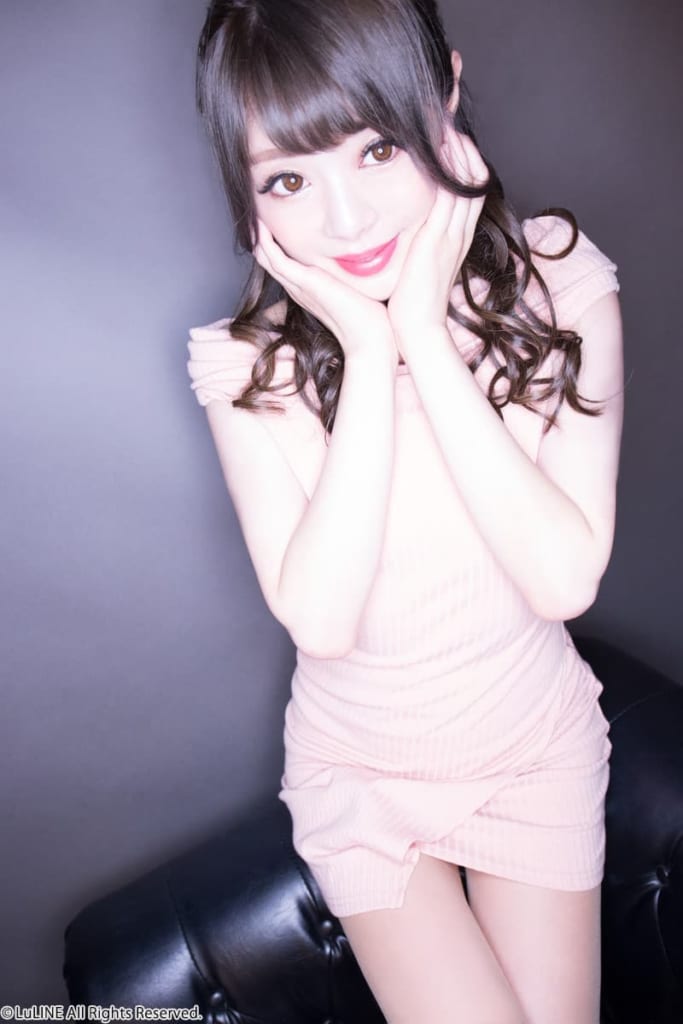
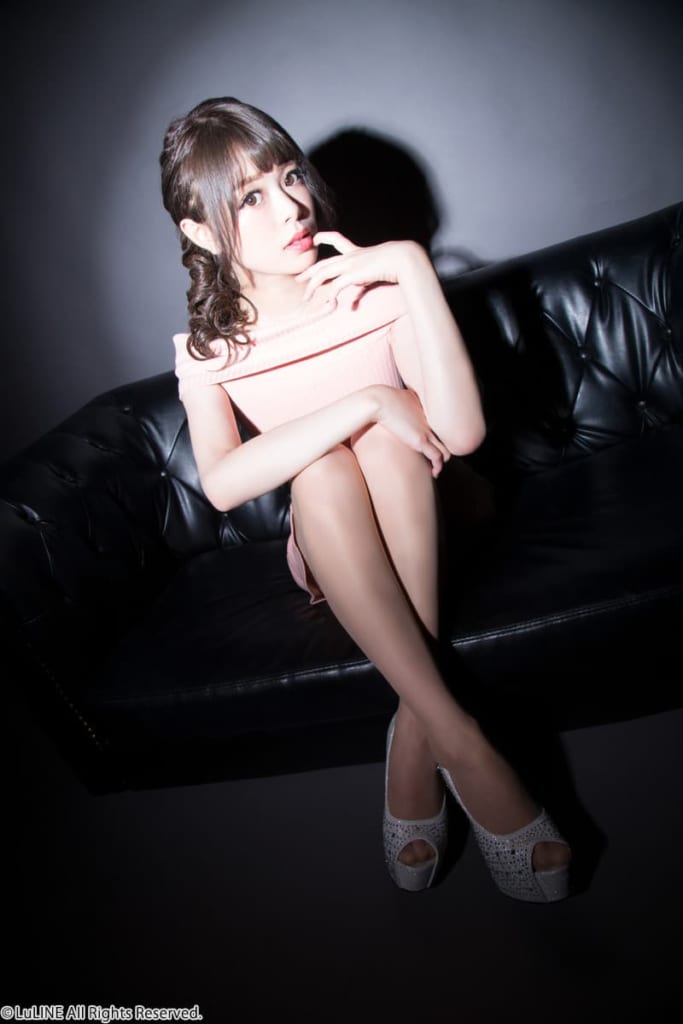
新しい夜のお姫様“かんな”ちゃん!
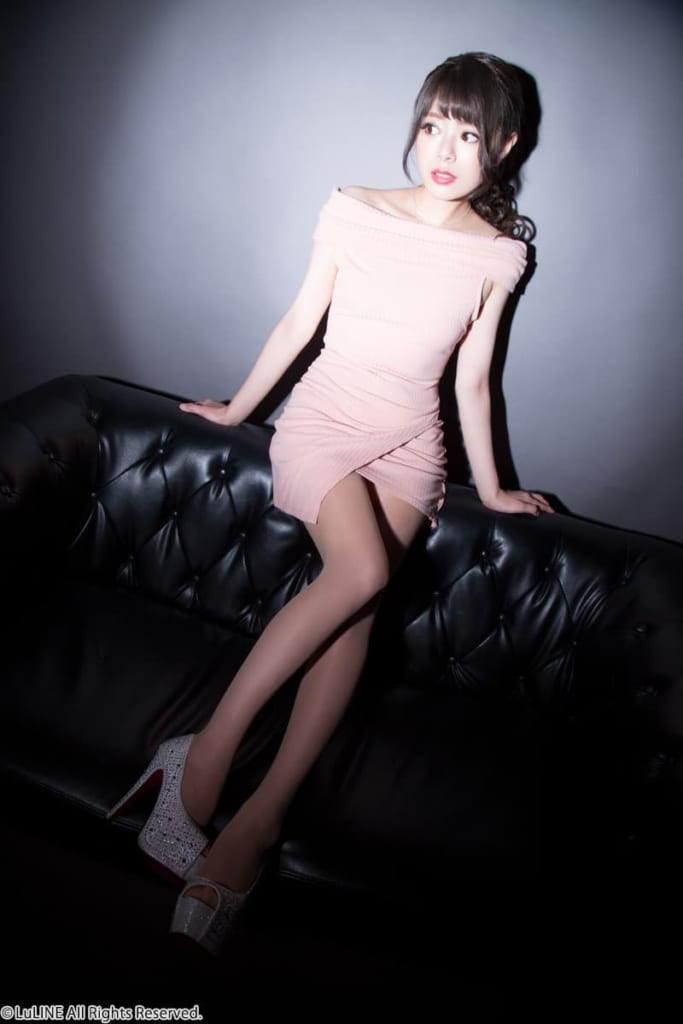
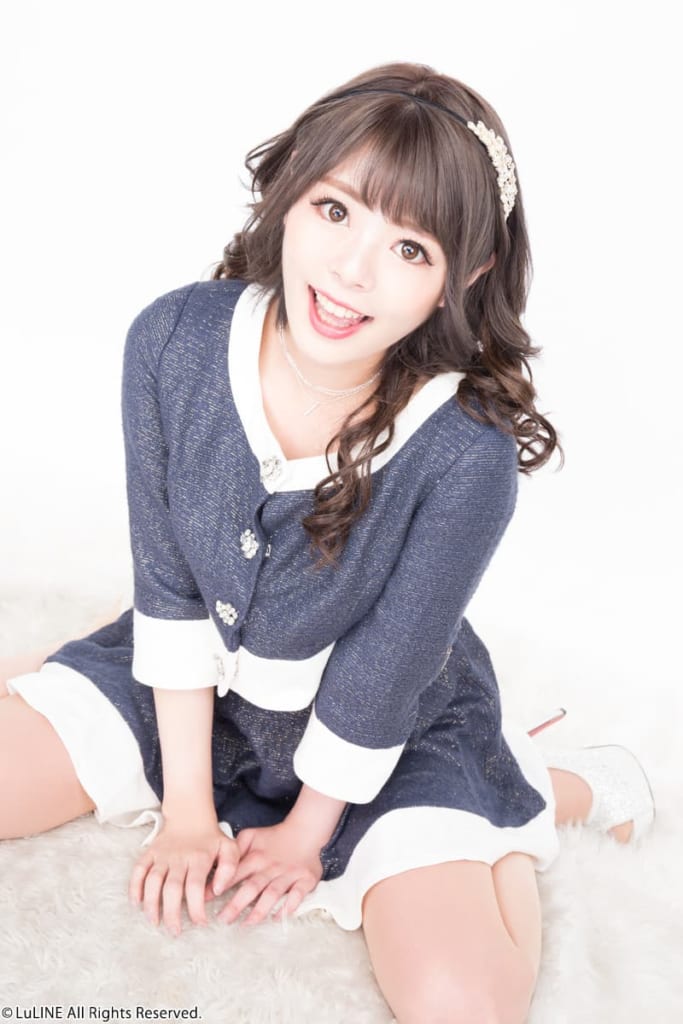
みんなが大好きプリンスグループの超有名ブランド【渋谷SEASIDE~シーサイド~】から大注目の女の子をご紹介させてください!その子の名前は“かんな”ちゃん。お話上手で気遣い上手。だけどとっても愛嬌があるんです。イマドキの言葉でいうと、あざとカワイイっていうのかな?彼女のころころ変わる表情にいつも癒されちゃうんですよね。最高!
出典:ルライン
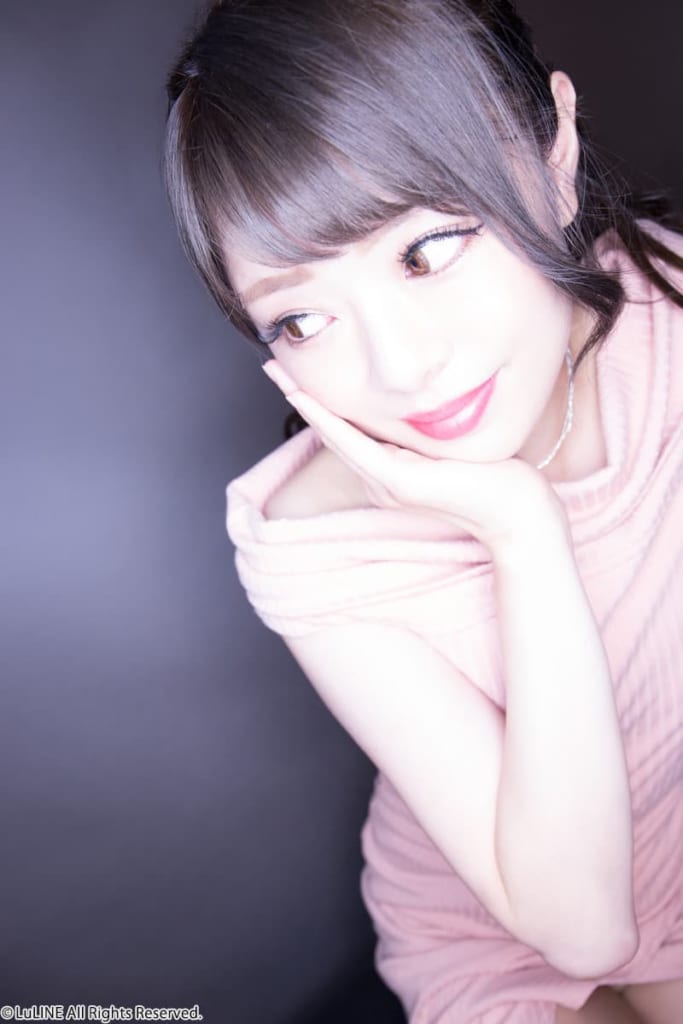
それから、何が印象的って瞳かな。大きくて黒々としたお目は筆者の心を鷲掴み!じーーっと見つめらえて「一緒に乾杯したいな」って微笑まれたらどんな男だってシャンパンの2本も3本も空けちゃいますって。筆者のかんなちゃんへの愛はお会計の額では測れません。渋谷シーサイドは 『渋谷駅』からたったの徒歩2分。良いなと思ったら、ぜひかんなちゃん指名してあげてください!でも本気になったらダメですからね。
出典:ルライン
渋谷SEASIDE(シーサイド)の詳細情報
| 店名 | 渋谷SEASIDE(シーサイド) |
| 電話番号 | 03-3476-8755 |
| 営業時間 | 19:00~翌1:00 |
| 定休日 | 日曜 |
| 住所 | 東京都渋谷区宇田川町33-8 塚田ビル 8F |
渋谷SEASIDE(シーサイド)へのアクセス
各線「渋谷駅」より徒歩4分
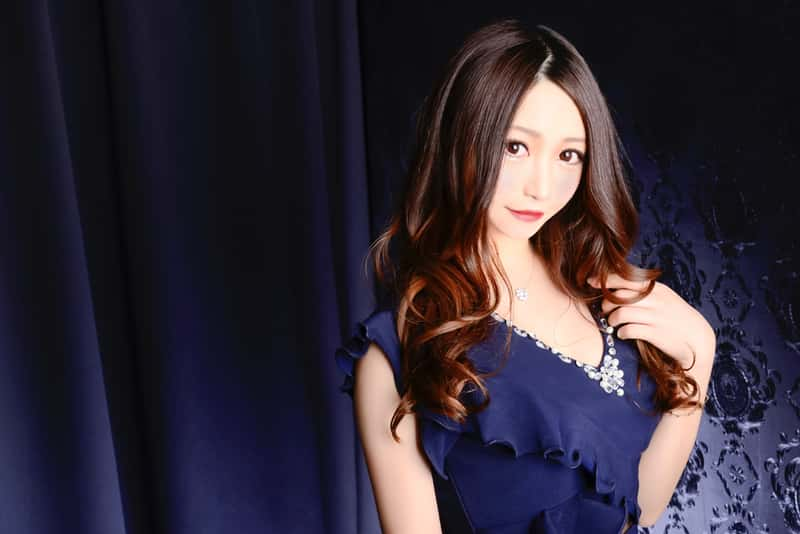
渋谷のオススメキャバクラ嬢24. 北斗 ゆりあ【CLUB The Celebrity(セレブリティ)】
渋谷で飲むなら“ゆりあちゃん”しか勝たん!
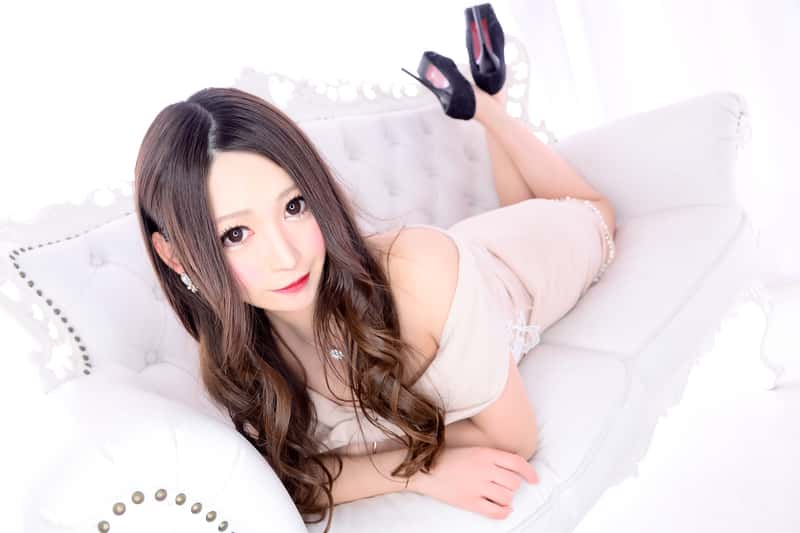
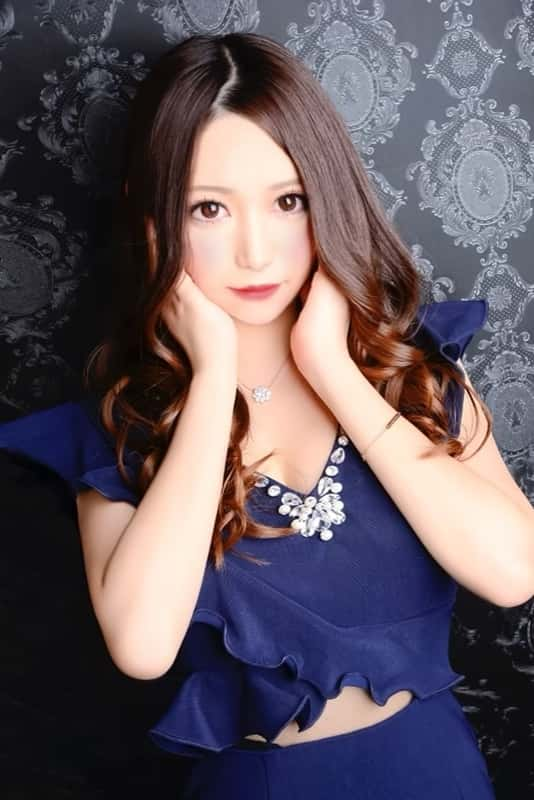
【CLUB The Celebrity(クラブ セレブリティ)】は渋谷・センター街の近くにある筆者オススメのキャバクラ。在籍している女の子み~んな可愛いくて正直、誰か1人に絞るなんてできないってことで、今回は『北斗 ゆりあ』ちゃんをご紹介させてください。まずはお写真を見てください。上目遣いがたまらないでしょ?実際の上目遣いは破壊力バツグンですよ。
出典:ナイトスタイル
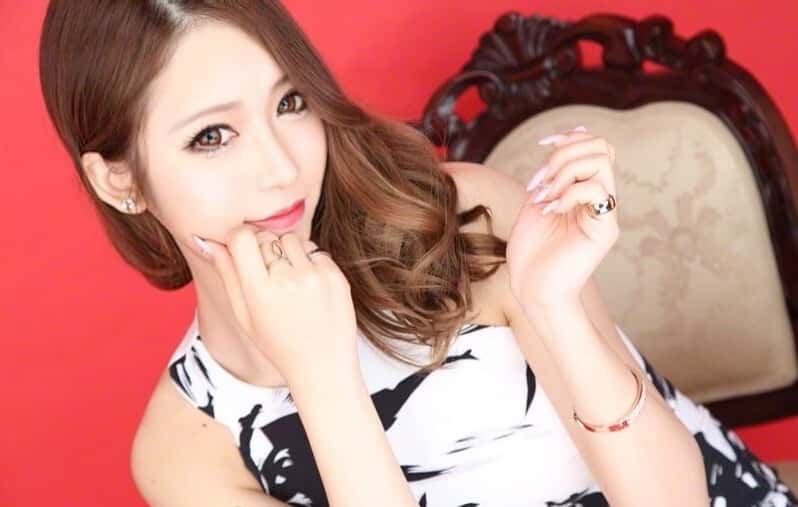
しかもゆりあちゃん、お酒が飲める女の子。最近のキャバ嬢さんは飲めない子も多いですが、こっちが気持ちよくなってしまうくらいガッツリ飲んでくれます。酔って頬が赤くなっていく様を間近に見られて最高!そもそもセレブリティさん自体、この立地の良さ、そしてコストパフォーマンスの高さ、文句の付け所がないお店です。ゆりあちゃんをお目当てに今日はセレブリティさんで楽しいひと時を過ごしちゃってください。
出典:ナイトスタイル
CLUB The Celebrity(セレブリティ)の詳細情報
| 店名 | CLUB The Celebrity(セレブリティ) |
| 電話番号 | 03-5456-3900 |
| 営業時間 | 19:30~翌1:00 |
| 定休日 | 年中無休 |
| 住所 | 東京都渋谷区宇田川町28-2 ニュー渋谷ビル5F |
CLUB The Celebrity(セレブリティ)へのアクセス
各線「渋谷駅」より徒歩2分
渋谷のオススメキャバクラ嬢25. 鮎川 まりえ【BARNEYS(バーニーズ)】
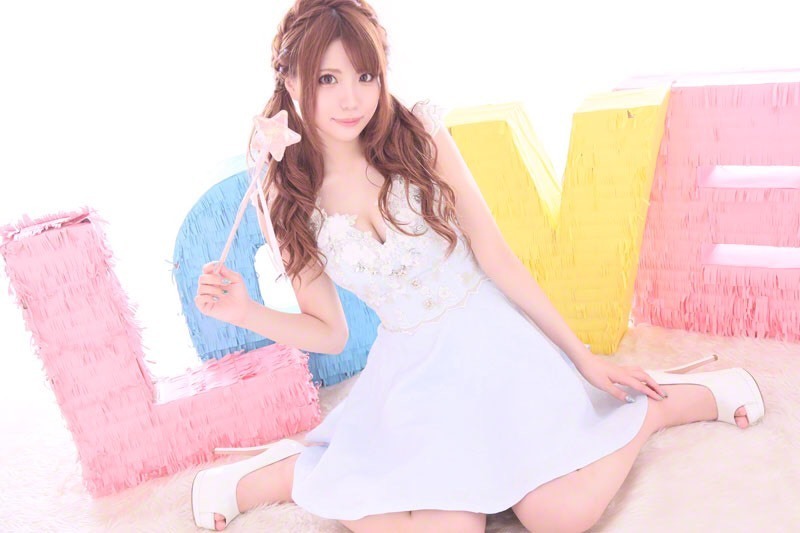
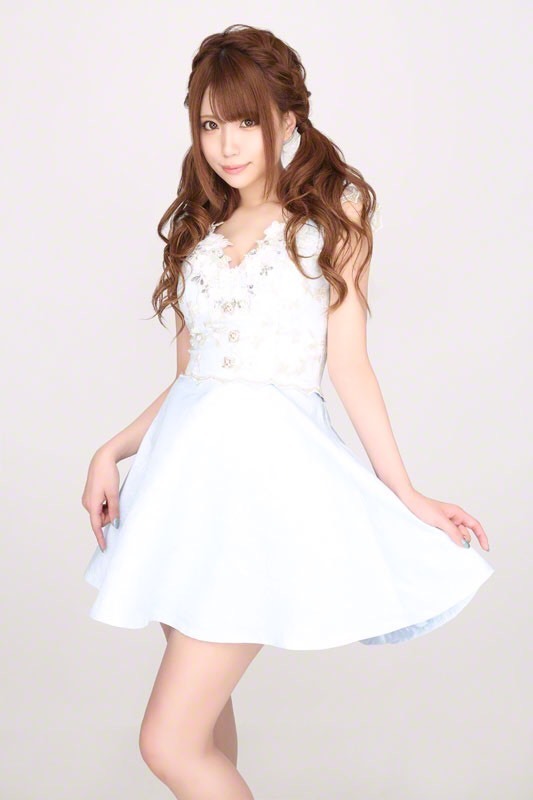
出会えば一瞬で虜になること間違いなし!
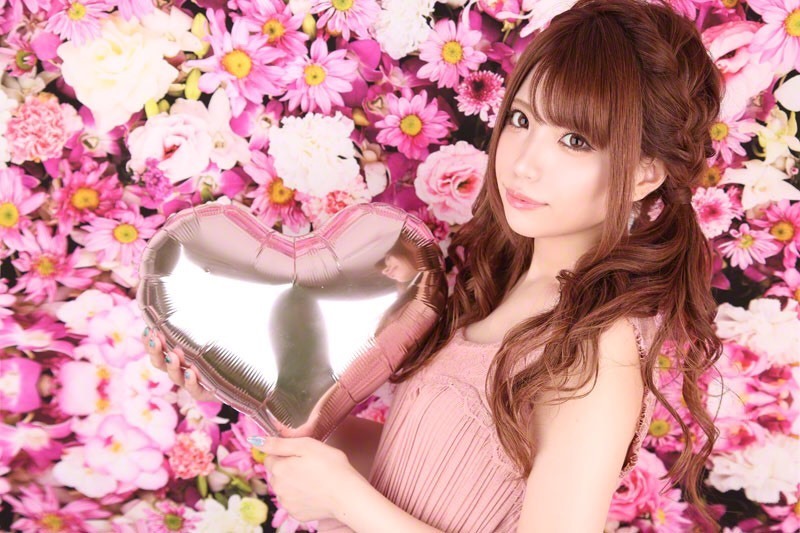
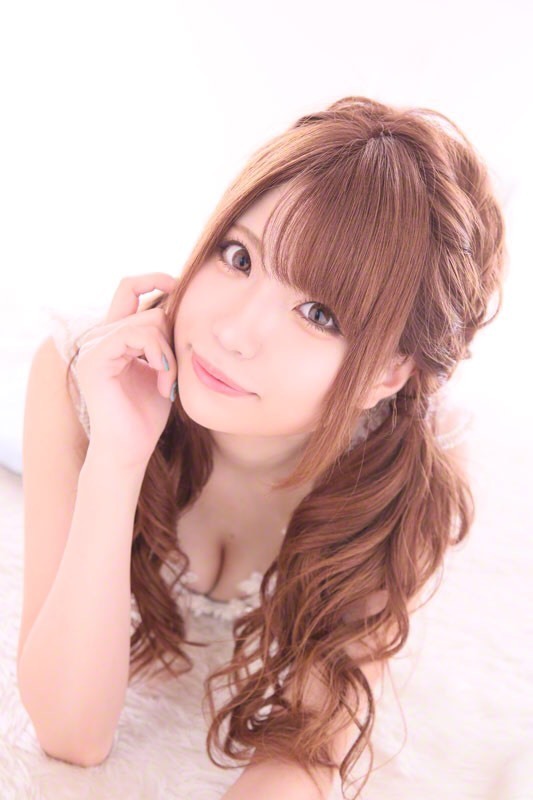
渋谷のキャバクラ【BARNEYS】に在籍している【鮎川 まりえ】ちゃんは、ゆるふわキュートな雰囲気が魅力的な女の子!プライベートで嫌なことがあった時や仕事で心が荒んだ時に、【まりえ】ちゃんのような癒し系女子に会うと、自然と安らかで幸せな気分になります…。ルックスのレベルの高さ、モデル級のプロポーション、明るく親しみやすい性格など、魅力を挙げればキリがないですが、一度会えば彼女が多くの男性から人気の理由もわかるはずです。
出典:ナイトスタイル
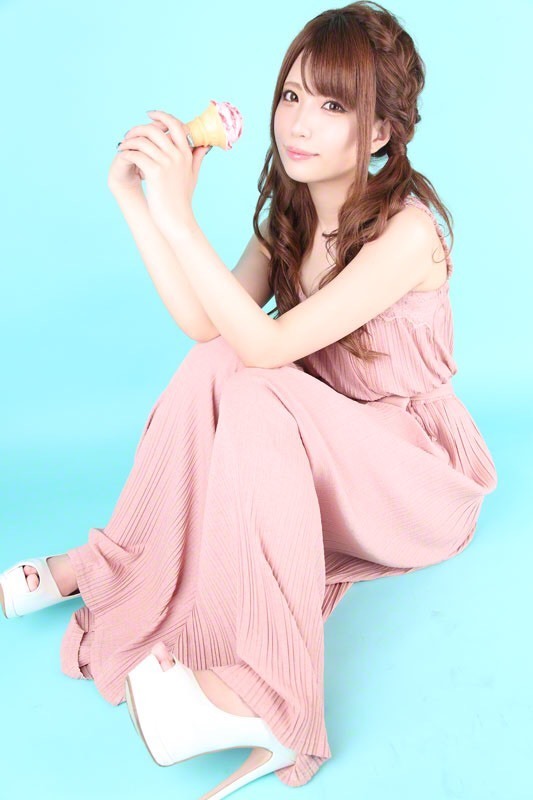
しかも一人で飲む時はしっとりとお話をしてくれ、複数人の時はワイワイと盛り上げてくれるので、いつどんなシーンでも一緒にいて欲しいとさえ思います(笑)もちろん、大人系やギャル系が好きな方もいるかと思いますが、彼女にはどんな方もハマってしまうこと間違いなしです!最高クラスの可愛い系美女と出会いたい方は、ぜひ【BARNEYS】へ行ってみてくださいね!
出典:ナイトスタイル
CLUB The Celebrity(セレブリティ)の詳細情報
| 店名 | CLUB The Celebrity(セレブリティ) |
| 電話番号 | 03-5456-3900 |
| 営業時間 | 19:30~翌1:00 |
| 定休日 | 年中無休 |
| 住所 | 東京都渋谷区宇田川町28-2 ニュー渋谷ビル5F |
CLUB The Celebrity(セレブリティ)へのアクセス
各線「渋谷駅」より徒歩2分
渋谷のオススメキャバクラ嬢26. 相澤 望【渋谷小町】

渋谷の街で男心を転がす子猫ちゃん!
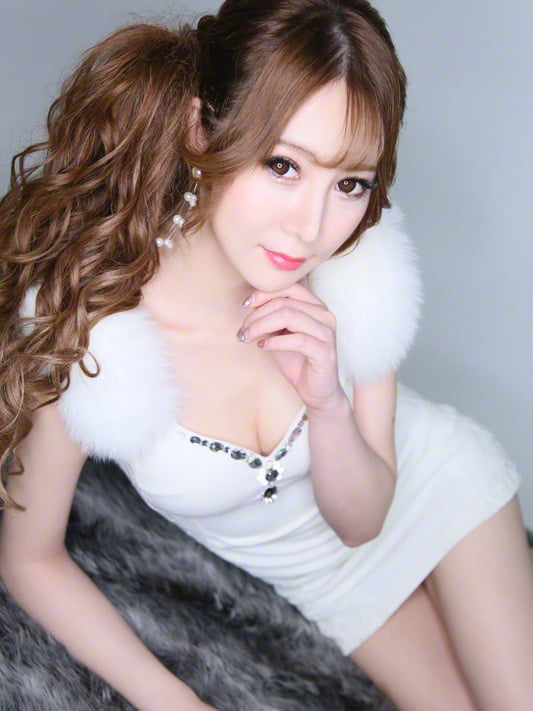
キャバクラ【渋谷小町】は、隠れ家的な落ち着いた雰囲気が人気のお店。店内はかなり豪華な作りになっており、ゆったりとした大人のひと時を過ごしたい方にもオススメです。もちろん、在籍している女の子はみんなハイレベルの容姿とおもてなしスキルを持った子ばかり。今回ご紹介するのは、クリっとした瞳とスッとした綺麗な鼻筋、華奢で思わず見とれてしまうプロポーションなど、女性の魅力を全て詰め込んだような【相澤 望】ちゃん!正直、この子に会った瞬間は衝撃的すぎて一瞬体が固まってしまったのを覚えています。
出典:体入ショコラ

お酒が好きな女の子で、飲みっぷりも男性顔負け。ワイワイ楽しく飲みたい時も静かにしっぽり話したい時も、最高の接客をしてくれます。「男心を掴む」というスキルだけで言ったら、【望】ちゃんの右に出るものはいないのではないでしょうか。「どんな子なんだろう…」と気になった方はぜひ一度お店まで足を運んでみてくださいね。
出典:体入ショコラ
口コミ
豪華な内装となっている反面、落ち着きを感じられるのでお仕事終わりには毎日癒してもらってます。(男性・28歳)
渋谷キャバクラの口コミ【夜遊びショコラ】
渋谷小町の詳細情報
| 店名 | 渋谷小町 |
| 電話番号 | 03-6455-3507 |
| 営業時間 | 20:30 ~ 1:00 |
| 定休日 | 年中無休 |
| 住所 | 東京都渋谷区道玄坂2-26-12 SKPRAZA1F |
渋谷小町へのアクセス
各線「渋谷駅」より徒歩5分
渋谷のオススメキャバクラ嬢27. えま【渋谷SEASIDE(シーサイド)】
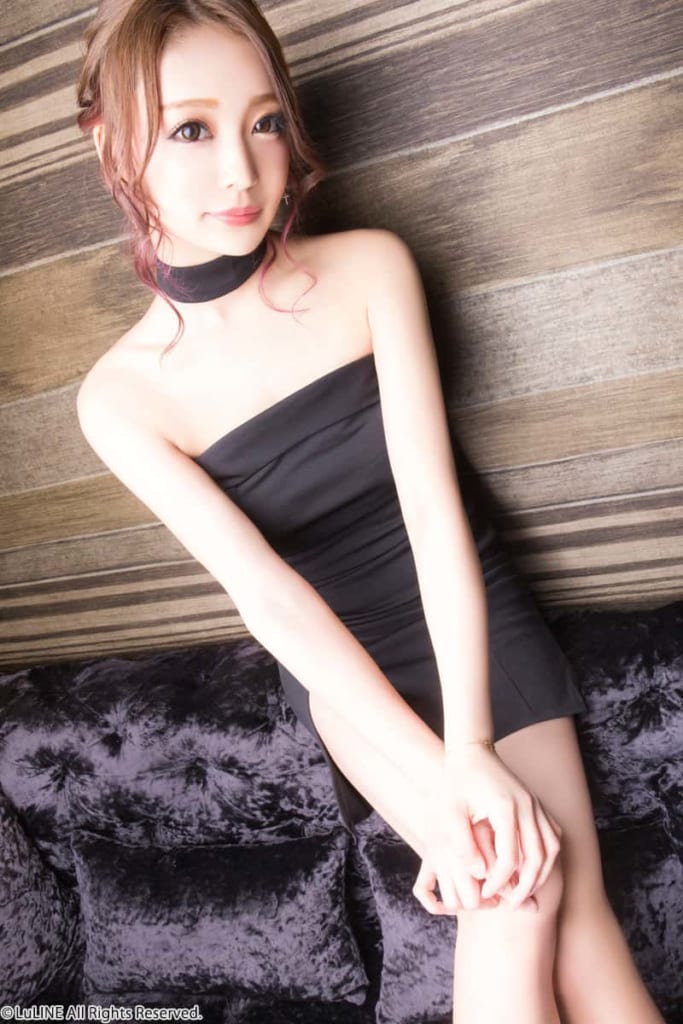
何もかもが揃ったパーフェクト女子!
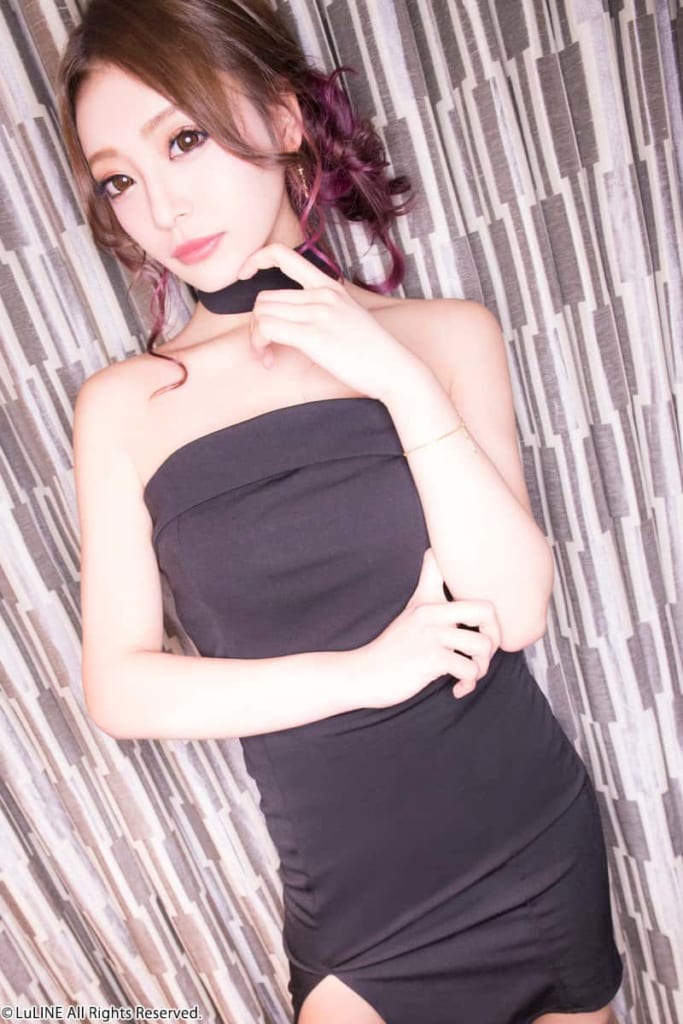
業界大手のプリンスグループが経営する渋谷のキャバクラ【渋谷SEASIDE(シーサイド)】!豪華な店内でゆったりと過ごすことができるのはもちろん、そこでお迎えしてくれる女の子も絶世の美女ばかりなんです!今回はそんなキャストさんの中から【えま】ちゃんをご紹介。大人の魅力がたっぷりと備わった彼女は、まさに女神と相応しい美貌を持っています。筆者も初めて見た瞬間、衝撃のあまりしばらく眺めていたのを覚えてますね(笑)
出典:ルライン
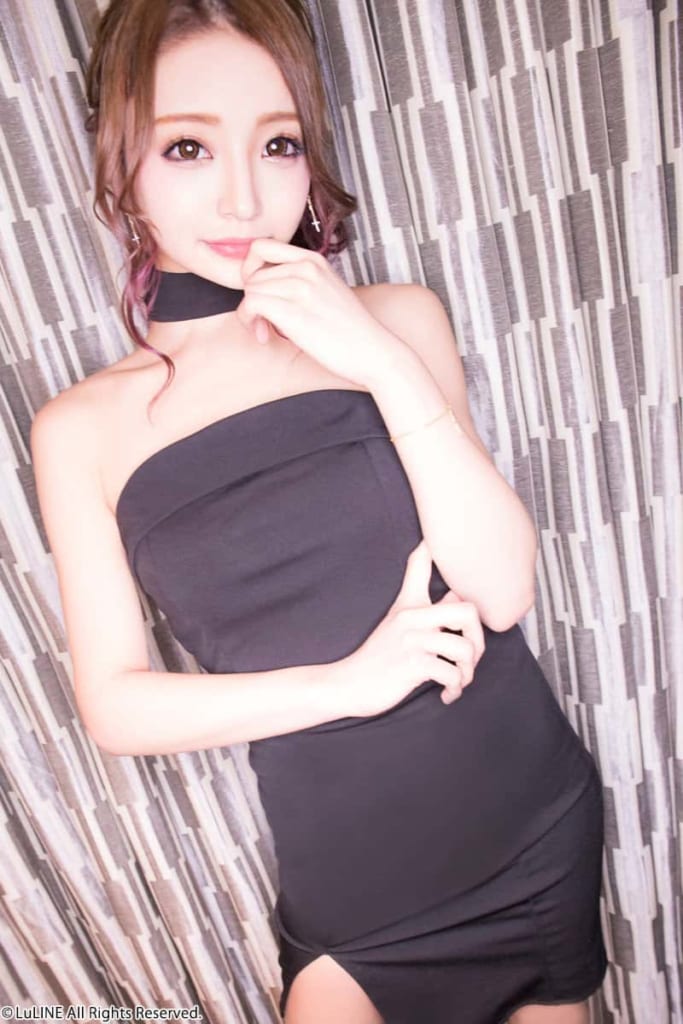
ゆったり飲みたい時はしっとりと、そしてワイワイ飲みたい時に明るく元気に、様々なシーンに合わせた接客ができるのも彼女のすごいところ。ここ最近は「【えま】ちゃんとデートをするならどこに行きたいか」という妄想ばっかりしています…。正直虜にならない男性はいないのではないでしょうか…。あなたもぜひ一度【えま】ちゃんの魅力にハマってください!
出典:ルライン
渋谷SEASIDE(シーサイド)の詳細情報
| 店名 | 渋谷SEASIDE(シーサイド) |
| 電話番号 | 03-3476-8755 |
| 営業時間 | 19:00~翌1:00 |
| 定休日 | 日曜 |
| 住所 | 東京都渋谷区宇田川町33-8 塚田ビル 8F |
渋谷SEASIDE(シーサイド)へのアクセス
各線「渋谷駅」より徒歩4分
渋谷のオススメキャバクラ嬢28. 藤咲 ひなみ【BARNEYS(バーニーズ)】


小動物系美女に癒されます!
渋谷では知らない方はいないのでは?と思うほどの超有名店【BARNEYS(バーニーズ)】から今1番オススメの女の子【藤崎ひなみ】ちゃんをご紹介させていただきます!【ひなみ】ちゃんはパッチリとした瞳がチャームポイントの、小動物系の可愛い女の子です。しかし小動物なのにバストはFカップというナイスボディなんです!正直思わず胸に目がいっちゃいます(笑)
出典:ナイトスタイル

普段の休日は「寝る」ことが趣味とのこと。「休日を半日寝て過ごしてしまい、休日を無駄にしてしまった気分だった」と、私も体験した睡眠あるあるで盛り上がってしまいました(笑)!【ひなみ】ちゃんは食べることも好きな女の子なので、「いつかオススメのご飯屋に一緒にいけたらな・・・」と想像しちゃいます(笑)渋谷の【BARNEYS(バーニーズ)】は徒歩5分ほどなので、お気軽に立ち寄りください。
出典:ナイトスタイル
BARNEYS(バーニーズ)の詳細情報
| 店名 | BARNEYS(バーニーズ) |
| 電話番号 | 03-3462-9955 |
| 営業時間 | 20:00〜LAST |
| 定休日 | 日曜 |
| 住所 | 東京都渋谷区道玄坂2-10-10 世界堂ビル 2FC |
BARNEYS(バーニーズ)へのアクセス
各線渋谷駅より徒歩5分
渋谷のオススメキャバクラ嬢29.ひなた【BARNEYS(バーニーズ)】


渋谷を照らす太陽のような笑顔に癒されます!
渋谷のキャバクラに遊びに来た方は超有名店【BARNEYS(バーニーズ)】に足を運んでみてください。【BARNEYS(バーニーズ)】に在籍している女の子は年齢が若く、元気なキャストが多くいるので楽しむことができるはずです。そんな【BARNEYS(バーニーズ)】からオススメしたいのは【ひなた】ちゃんです。【ひなた】ちゃんは笑顔が眩しい女の子で、この笑顔を向けられた男心は鷲掴み確定です!
出典:体入ショコラ

以前はアパレルで働いていたこともあり声や笑顔に力があり、話しているこちらまで元気をもらってしまいます!また餃子が好きで中華街デートが憧れと話しており、私も【ひなた】ちゃんと中華街デートがしたい!と妄想を膨らませていました(笑)太陽のような女の子【ひなた】ちゃんが気になる方は、ぜひ【BARNEYS(バーニーズ)】まで足をお運びください!
出典:体入ショコラ
BARNEYS(バーニーズ)の詳細情報
| 店名 | BARNEYS(バーニーズ) |
| 電話番号 | 03-3462-9955 |
| 営業時間 | 20:00~翌1:00 |
| 定休日 | 日曜 |
| 住所 | 東京都渋谷区道玄坂2丁目10−10 世界堂ビル 2FC |
BARNEYS(バーニーズ)へのアクセス
渋谷駅より徒歩3分
渋谷のオススメキャバクラ嬢30.愛沢 風花 【BARNEYS(バーニーズ)】
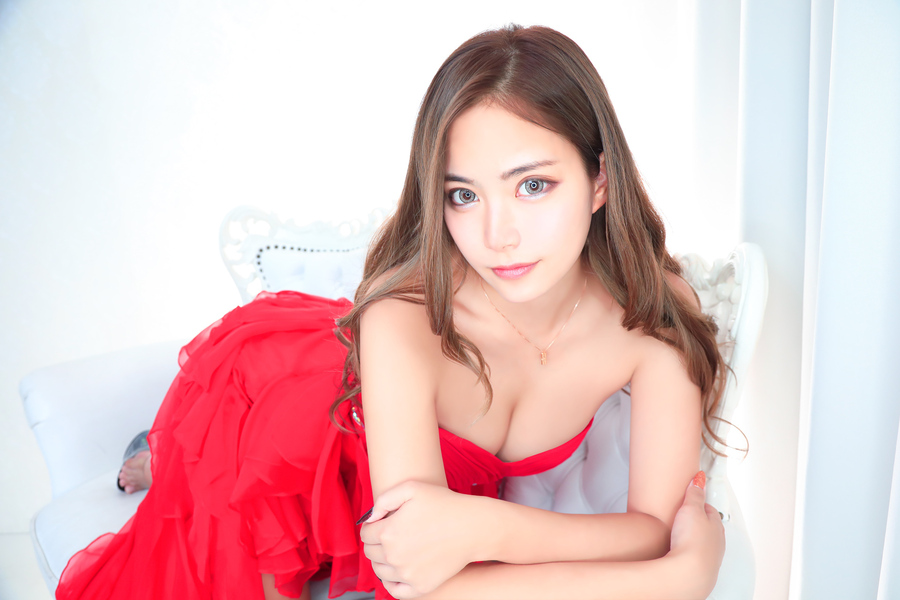
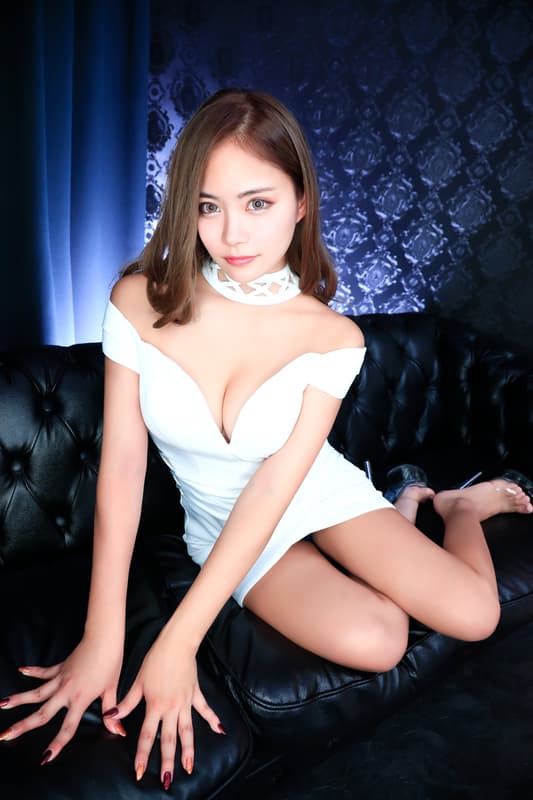
アゲアゲ系渋谷女子!
渋谷のキャバクラといえば絶対に外せない場所、【BARNEYS(バーニーズ)】。このお店にはみんなで盛り上がりたい時にピッタリな女の子がいます。見た目が綺麗めセクシー系の【愛沢 風花】ちゃんです!忘れもしない横に座った途端のアゲアゲ具合…(笑)おかげさまで楽しい夜を過ごせました!こんなに可愛い子が一緒にはしゃいでくれるなんて、本当に幸せな事ですよね!?
出典:ナイトスタイル
そんなテンション高めな「風花」ちゃんですが、好きな歌手は「西野カナ」でまさに渋谷女子。でも話してみるとすごく家庭的で料理も得意だそうです。こんな子の手料理なら、いくらでも食べられる気がするのは私だけじゃないはず!ギャップも素敵な「風花」ちゃん、会ったら絶対好きになっちゃいますよ!?楽しくお酒を飲みたいなら渋谷のキャバクラ【BARNEYS(バーニーズ)】でぜひ「風花」ちゃんを指名してみてください!もちろんお一人様でも楽しめますよ!
出典:ナイトスタイル
出典:ナイトスタイル
BARNEYS(バーニーズ)の詳細情報
| 店名 | BARNEYS(バーニーズ) |
| 電話番号 | 03-3462-9955 |
| 営業時間 | 20:00~翌1:00 |
| 定休日 | 日曜 |
| 住所 | 東京都渋谷区道玄坂2丁目10−10 世界堂ビル 2FC |
BARNEYS(バーニーズ)へのアクセス
渋谷駅より徒歩3分
渋谷のオススメキャバクラ嬢31.ゆり【CLUB RAFTEL(ラフテル)】


ナイスバディの正直ガール!!
渋谷の中でアダルトな雰囲気のキャバクラと言えば【CLUB RAFTEL(ラフテル)】ですよね!そんなお店からオススメしたいのは【ゆり】ちゃんです。【ゆり】ちゃんはナイスバディな女の子!そのグラマラスな身体や豊満な胸に視線がいってしまいます(笑)自身でもチャームポイントと話しているホクロがエロさを醸し出しています!
出典:クラブラフテル

また、愛嬌のある笑顔をむけられると意識しちゃいます!おしゃべりも積極的に話してくれ、「諭吉が大好き(笑)」と正直にぶっちゃけてしまうところも実にキュート!ぜひ渋谷のキャバクラで遊ぶ際は【CLUB RAFTEL(ラフテル)】の【ゆり】ちゃんに会いにいってみてください!
出典:クラブラフテル
CLUB RAFTEL(ラフテル)の詳細情報
| 店名 | CLUB RAFTEL(ラフテル) |
| 電話番号 | 03-6427-8179 |
| 営業時間 | 20:00~翌1:00 |
| 定休日 | 年中無休 |
| 住所 | 東京都渋谷区道玄坂2-10-10 世界堂ビル2F AB |
CLUB RAFTEL(ラフテル)へのアクセス
渋谷駅より徒歩1分
渋谷のオススメキャバクラ嬢32.あお【渋谷SEASIDE(シーサイド)】

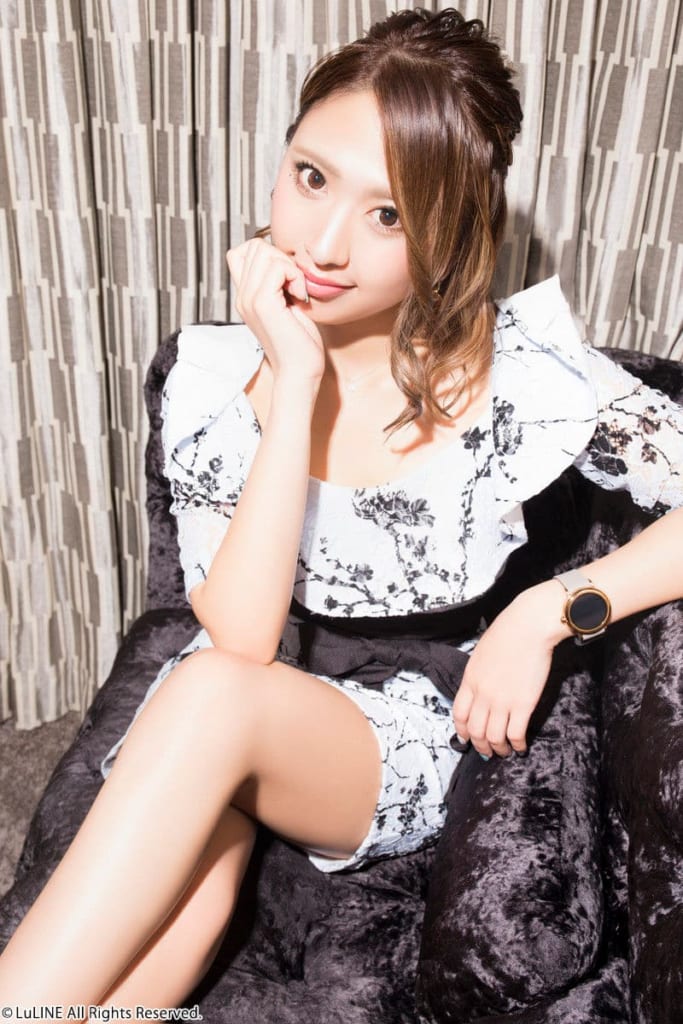
渋谷最強おじさんキラー
キャバクラ好きなら知らない人はいないであろう【渋谷SEASIDE(シーサイド)】は、業界最大手プリンスグループが経営しています。プリンスの名に恥じぬキャストレベル、サービスクオリティ、内装はさすがの一言!今回はそんな一流店で働く【あお】ちゃんをご紹介です。
出典:ルライン
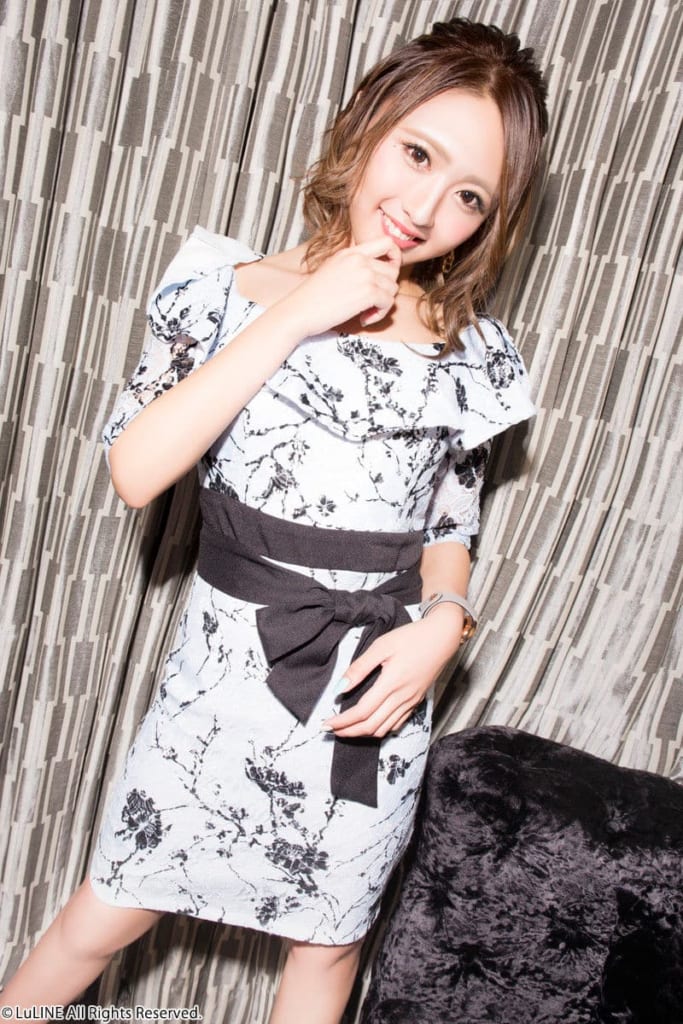
キュートさ溢れる笑顔が素敵な【あお】ちゃんはまさに「おじさんキラー」ともいうべき人懐っこい接客が魅力。初対面なのに話しているとすぐに打ち解けてしまったのを覚えています。明るくて元気でボディタッチ多めと、【あお】ちゃんの接客スタイルは男ならきっと嫌いな人はいないと思います!【渋谷SEASIDE(シーサイド)】に行けば会えますので、皆さんぜひ足を運んでみてくださいね!彼女の魅力に骨抜きにされちゃいますよ!
出典:ルライン
渋谷SEASIDE(シーサイド)の詳細情報
| 店名 | 渋谷SEASIDE(シーサイド) |
| 電話番号 | 03-3476-8755 |
| 営業時間 | 19:00~翌1:00 |
| 定休日 | 日曜 |
| 住所 | 東京都渋谷区宇田川町33-8 塚田ビル 8F |
渋谷SEASIDE(シーサイド)へのアクセス
各線「渋谷駅」より徒歩4分
渋谷のオススメキャバクラ嬢33.きら【渋谷SEASIDE(シーサイド)】
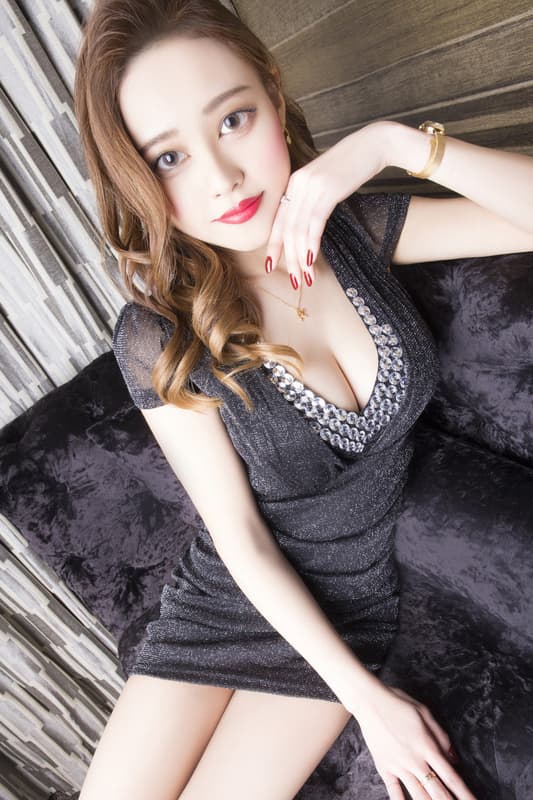
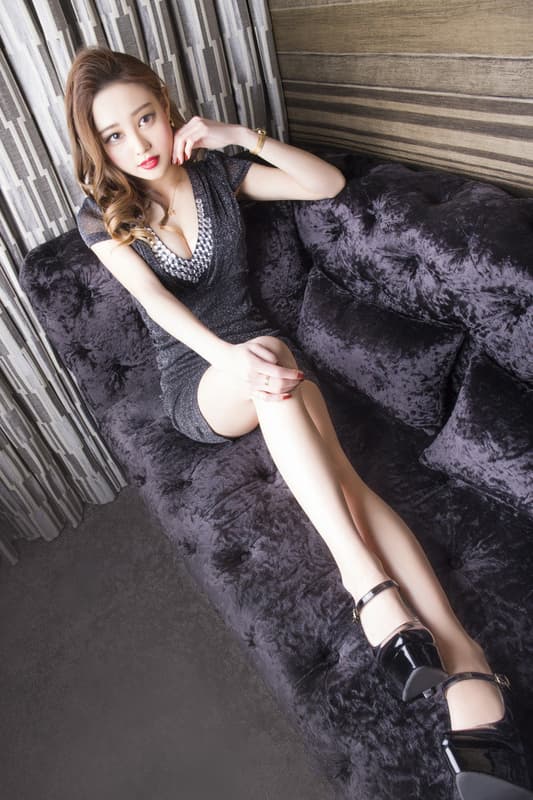
色気と母性のダブルパンチ
プリンスグループ運営の渋谷を代表する大型店【渋谷SEASIDE(シーサイド)】。人気キャバ嬢が多数在籍するこのお店で、今回ぜひともおすすめしたい女の子がいます!色気溢れる美魔女【きら】ちゃんです!彼女の魅力は大きな瞳と、綺麗な唇。何とも言えないセクシーさがあり、妖艶な雰囲気を纏っているんですよね。あっ、もちろんボディも素敵ですが(笑)
出典:ナイトスタイル
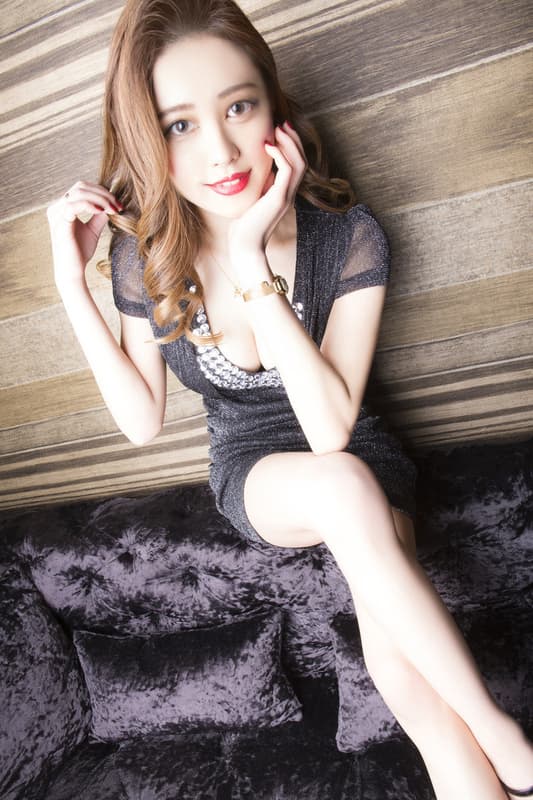
【きら】ちゃんの目を見てお話ししていると、不思議と心が安らぐ気がします。話し方も穏やかで、真剣にこっちの話題にうなずいてくれたりするんで、母性みたいなのを感じちゃってるんですかね(笑)この若さでそれを身に付けているならあなどれない女の子ですが…。女性としての艶っぽさと包容力、どちらも持っている【きら】ちゃんは【渋谷SEASIDE(シーサイド)】で出会えます!実際にお店で、魅惑たっぷりの彼女を確かめてみてくださいね!
出典:ナイトスタイル
渋谷SEASIDE(シーサイド)の詳細情報
| 店名 | 渋谷SEASIDE(シーサイド) |
| 電話番号 | 03-3476-8755 |
| 営業時間 | 19:00~翌1:00 |
| 定休日 | 日曜 |
| 住所 | 東京都渋谷区宇田川町33-8 塚田ビル 8F |
渋谷SEASIDE(シーサイド)へのアクセス
各線「渋谷駅」より徒歩4分
渋谷のオススメキャバクラ嬢34.まゆ【渋谷小町】
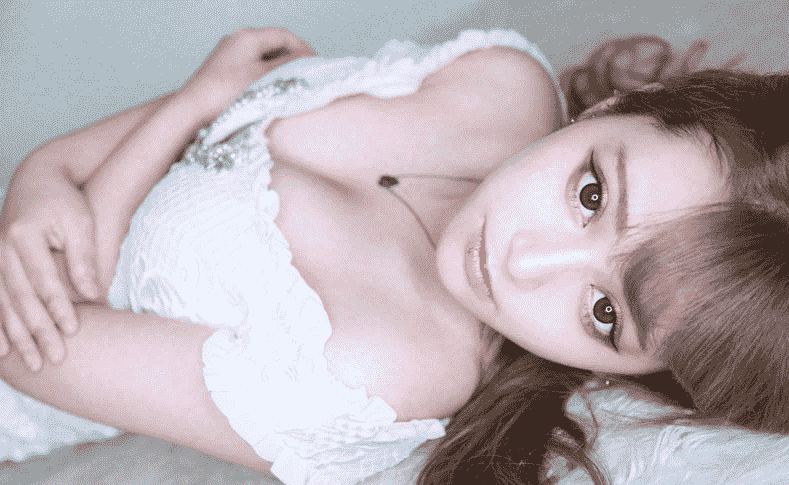

澄んだ瞳に心ときめく!渋谷のマドンナ!
渋谷で大人気のキャバクラ【渋谷小町】から今回ご紹介するのは絶世の美女【まゆ】ちゃん!実は数回筆者は指名しているのですが、ドはまりするポイントはやはり透明感ある瞳!本人もチャームポイントが瞳と公言するぐらい特徴的でその目に見つめられると心がキュンキュンしちゃいます!まるで天使のような彼女は、実はしゃべり上手!
出典:体入ショコラ
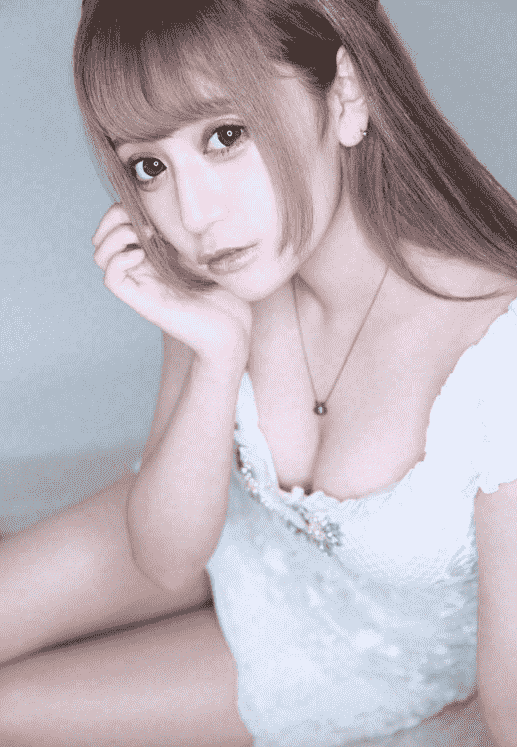
積極的にいっぱいおしゃべりをしてくれるので、「キャバクラが得意じゃない」「女の子と話すと緊張する」といった方でも安心して話すことができますよ!ぜひ彼女をアフターに誘いたい筆者ですが、彼女の純真無垢なその言動に癒され誘うことを忘れちゃいます(笑)文面では彼女の100%の魅力を伝えることができないのが悔しい!ご興味を持たれた方はぜひ【渋谷小町】に行き、彼女を指名してみてください!彼女との幸せな時間を経験してみてくださいね。
出典:体入ショコラ
渋谷小町の詳細情報
| 店名 | 渋谷小町 |
| 電話番号 | 03-6455-3507 |
| 営業時間 | 20:30~翌1:00 |
| 定休日 | 年中無休 |
| 住所 | 東京都渋谷区道玄坂2丁目26-12 |
渋谷小町へのアクセス
各線「渋谷駅」より徒歩5分
渋谷のオススメキャバクラ嬢35.吉澤 ミラン【CLUB The Celebrity(セレブリティ)】
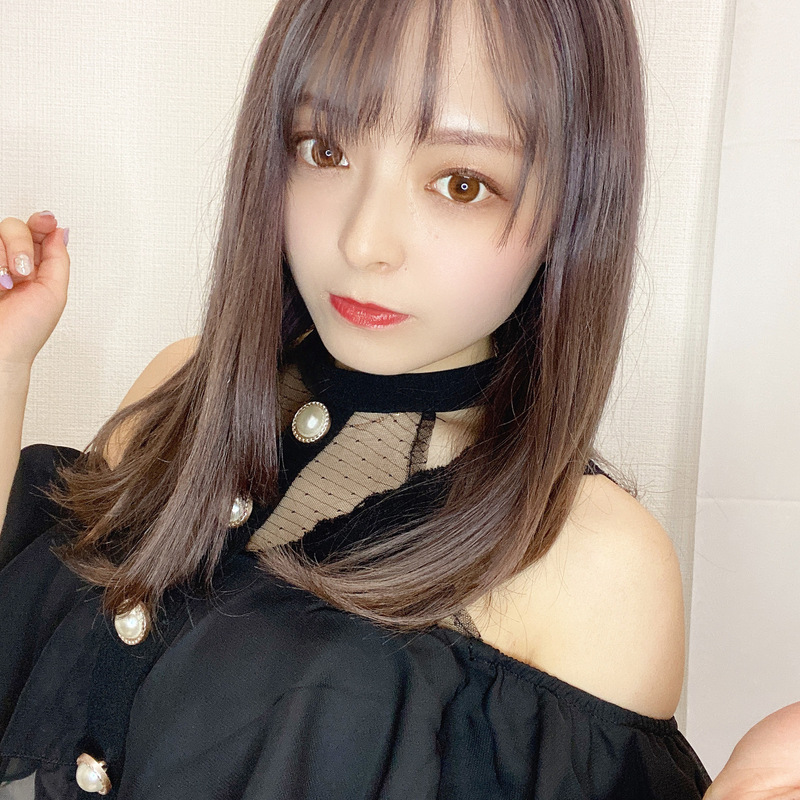
今渋谷で一番イケイケのキュートなキャバ嬢!
渋谷のキャバクラでも屈指の知名度を誇る【CLUB The Celebrity(セレブリティ)】。どのキャバ嬢も美人ばかりのお店ですが、そんな中から今イチオシの女の子【吉澤 ミラン】ちゃんをご紹介致します!【ミラン】ちゃんは元気でウェイウェイタイプの女の子!どの話題にもノリ良く反応してくれるので、喋っていて楽しいのなんの(笑)キュートな容姿のみならず、匂いや声まで可愛く極上の癒しになるはず!飲み比べやゲームなどテンション上げて一緒に盛り上がってくれるので、複数人でも楽しめること間違いナシです。この楽しさは文面だけでは伝わりづらいかもしれませんので、みなさんにはぜひ【CLUB The Celebrity(セレブリティ)】に行き、直接【ミラン】ちゃんに会ってほしいです!
CLUB The Celebrity(セレブリティ)の詳細情報
| 店名 | CLUB The Celebrity(セレブリティ) |
| 電話番号 | 03-5456-3900 |
| 営業時間 | 19:30~翌1:00 |
| 定休日 | 年中無休 |
| 住所 | 東京都渋谷区宇田川町28-2 ニュー渋谷ビル5F |
渋谷SEASIDE(シーサイド)へのアクセス
渋谷駅より徒歩3分
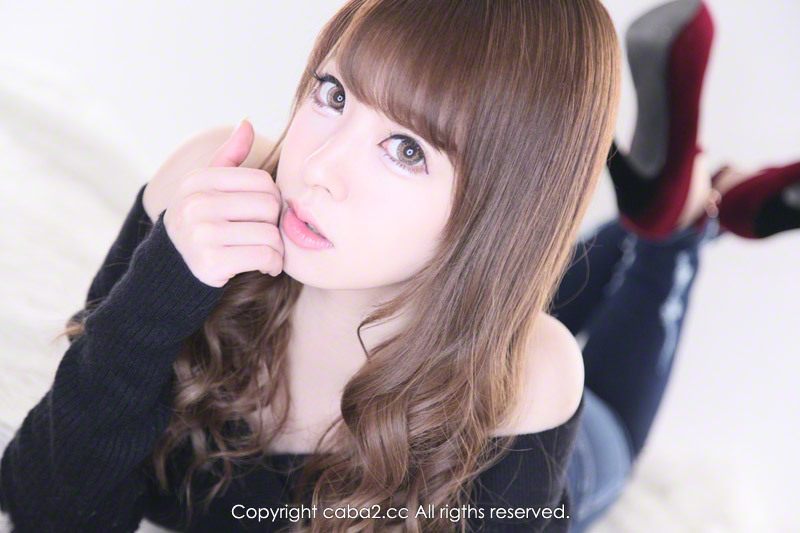
渋谷のオススメキャバクラ嬢35.小嶋 ありか【渋谷SEASIDE(シーサイド)】
It’s Perfect!文句なしの渋谷美女!
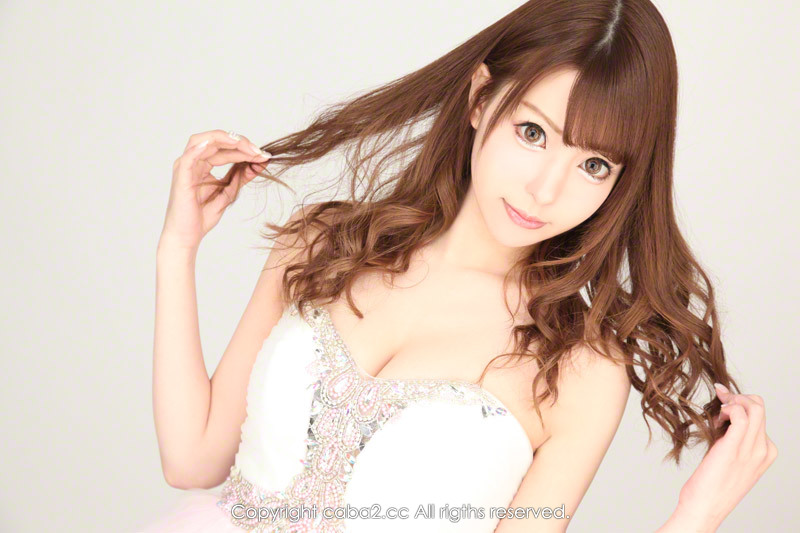
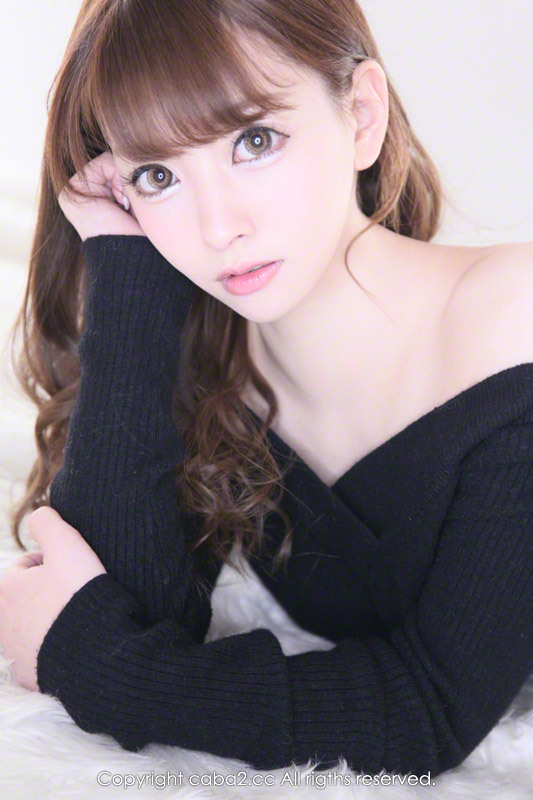
プリンスが擁する名店【渋谷SEASIDE(シーサイド)】の「小嶋 ありか」ちゃんは、完璧と言ってもいいほどの極上美女!キャバクラで遊びまくっているだけあって、女の子の目利きには自信のある筆者ですが、そんな筆者の理想とも言えるほどにハイレベルなキャストさんです。ルックスは画像の通り、女優さんにも負けず劣らずの整った顔立ち。
出典:きゃばきゃば
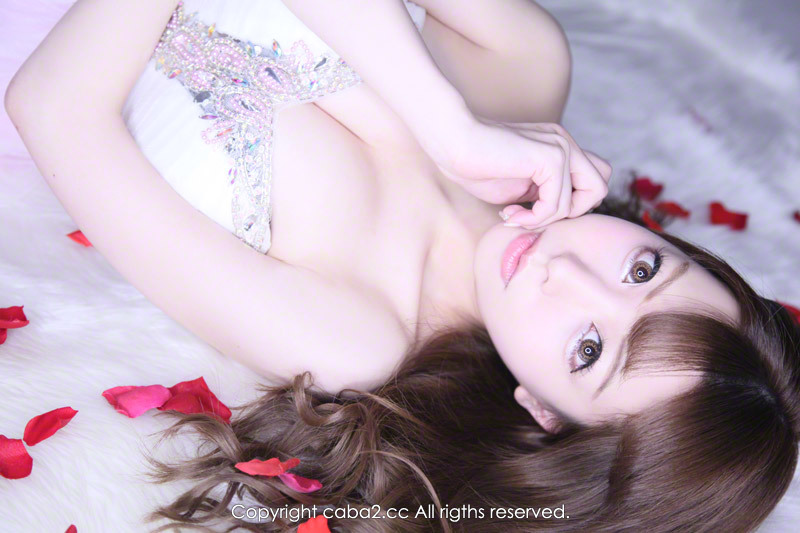
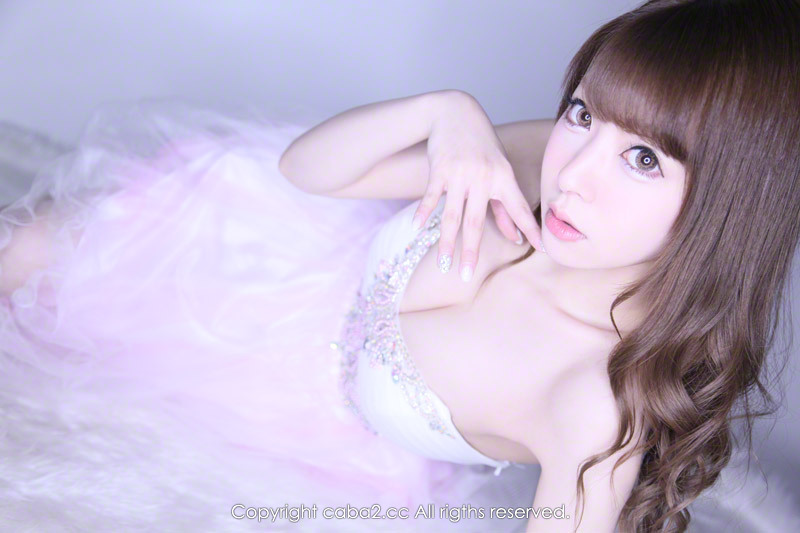
サービスも文句のつけようがありません。横に座ってもらうとわかりますが、細かいとこによく気が付いてくれるので、ホスピタリティは抜群!こんなん好きになってまうやろ。キャバクラに通いまくっていますが、総合的にこんなにもレベルの高い女の子は滅多にお目に掛かれません。一度会うとまた会いたくなること間違いなし!名キャストさんです。
出典:きゃばきゃば
渋谷SEASIDE(シーサイド)の詳細情報
| 店名 | 渋谷SEASIDE(シーサイド) |
| 電話番号 | 03-3476-8755 |
| 営業時間 | 19:00~翌1:00 |
| 定休日 | 日曜 |
| 住所 | 東京都渋谷区宇田川町33-8 塚田ビル 8F |
渋谷SEASIDE(シーサイド)へのアクセス
各線「渋谷駅」より徒歩4分